New York, June 12, 2026, 16:23 EDT
- SpaceX stock surged over 19% in its Nasdaq debut, following a $75 billion IPO, the biggest on record.
- The debut put retail investors back on IPO access and allocations, and brought new attention to risks in trading fresh listings.
- Fidelity’s investor guides remind clients to review the IPO prospectus, follow eligibility requirements, and note IPO shares can be limited or unavailable.
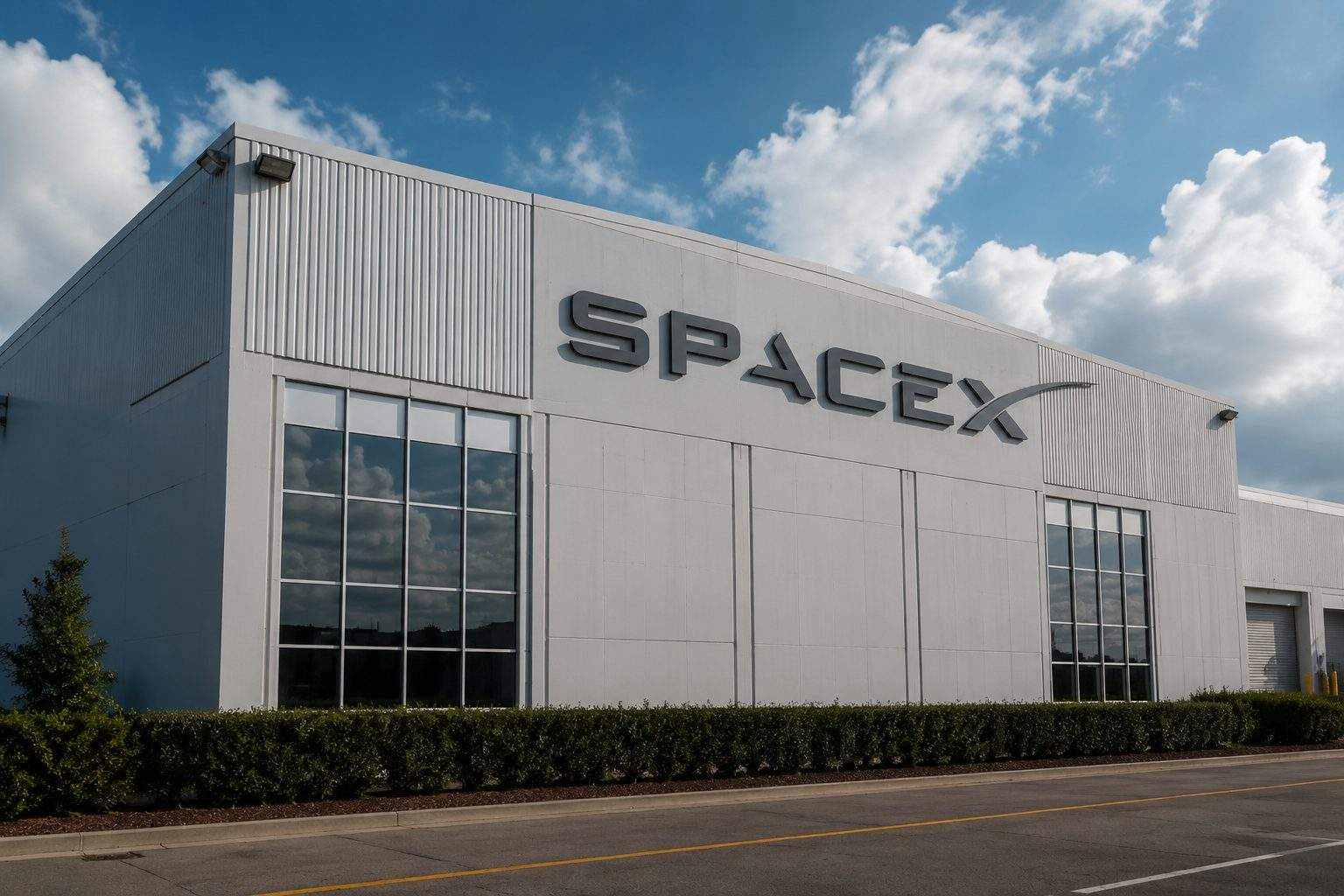
SpaceX finally hit the market Friday, drawing heavy interest as shares jumped in their Nasdaq debut under SPCX. Elon Musk’s rocket and satellite firm raised $75 billion—more than twice what Saudi Aramco pulled in with its 2019 IPO, according to Reuters. Stock closed a little above $161 after being priced at $135.
SpaceX started trading as one of the most valuable public companies in the U.S., AP reported. Shares opened at $150, touched nearly $168 and closed just over $161. That price puts the company’s value at around $2.1 trillion, and lifts Musk’s estimated net worth past $1 trillion.
Retail demand played a big role. Reuters said individual investors got about 20% of the IPO shares, a high figure for such a big deal. Business Insider said SpaceX saw strong interest from regular traders before the stock even started trading. Reuters FOX 17’s “This Week on Wall Street” segment called it one of the biggest IPOs ever and talked about how traders might handle the SpaceX launch. FOX 17 West Michigan News (WXMI)
The first-day surge showed the type of excitement—and the risk—that comes with hot IPOs. “When the starting valuation is already pushing $2 trillion, adding that much value at the click of a finger is impressive,” Dan Coatsworth, head of markets at AJ Bell, told Reuters. Reuters
SpaceX is pitching the IPO as a way to fund growth, with plans to use the proceeds for its satellite internet, launch operations, and other longer-term projects in space. In its European prospectus summary, the company said it expects around $74.4 billion in net proceeds if all base shares are sold. If underwriters exercise their option for more shares, proceeds could reach about $85.7 billion. The prospectus also listed Nasdaq and Nasdaq Texas as the planned trading venues for SPCX, and warned that the company’s dual-class share structure would put most voting power in the hands of Musk and other Class B holders.
SpaceX valuation talk is still heated. Reuters said SpaceX posted $18.7 billion in 2025 revenue, but its market cap shows a price-to-revenue multiple well above other megacaps. Morningstar analysts told Reuters a fairer value would be around $780 billion. Over at CFRA, the shop started coverage with a sell. Reuters Musk, opening trading, repeated the company’s aim “to make life multiplanetary,” AP reported. AP News
Retail investors eyeing IPOs need to pay attention to how these deals work. Fidelity says an IPO is a private company’s first time selling shares to the public. Companies may use IPOs to raise money, pay down debt, grow, boost their name, or let insiders cash out. Investors should check the preliminary prospectus, Fidelity says, but warns that individual investors often have trouble getting IPO shares because demand is usually high.
SpaceX’s debut could spark fresh interest in private names exploring IPOs. But it’s a reminder that IPO investing isn’t the same as buying regular shares. Fidelity puts out a warning: new issues might drop below the offer price after trading begins. Reuters noted SpaceX’s first session weighed on other space and satellite stocks, with money moving into the new arrival.