New York, June 15, 2026, 04:18 (ET)
- SpaceX Class A shares last indicated at $160.95, trading well over the $135 IPO price.
- SpaceX brought in a net loss of $4.94 billion in 2025, but Elon Musk told investors revenue might hit $1 trillion by 2030.
- Options trading and potential index inclusion are next up and could bring more volatility and some forced buying.
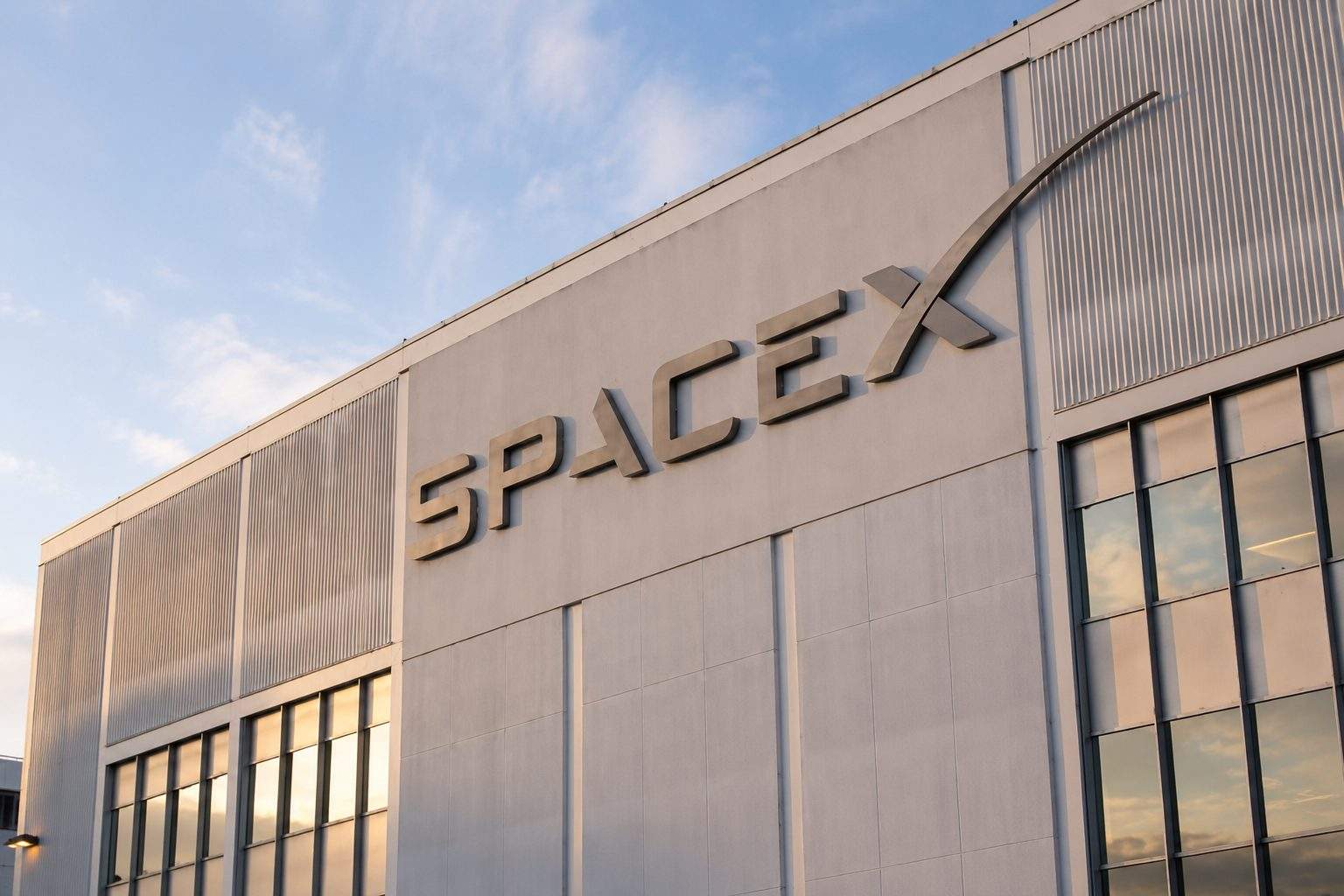
Space Exploration Technologies Corp. Class A shares are kicking off their first full week of trading after the company’s IPO, and investors are sizing up the lofty valuation alongside Elon Musk’s latest pitch for growth. SpaceX set its IPO price at $135 a share for 555,555,555 shares, and began trading on Nasdaq Global Select Market and Nasdaq Texas under the SPCX ticker, according to its pricing announcement. The stock was recently at $160.95, about 19% over the IPO price.
Debate over SpaceX’s valuation picked up again after Elon Musk said the company could hit $1 trillion in revenue by 2030. In a post on X flagged by Reuters, Musk wrote, “And I would be surprised if revenue is not greater than $1T in 2031.” The comment is key for the bull case on the stock. To get a market cap above $2 trillion, investors have to believe SpaceX can make Starlink, launch, AI and new space infrastructure much bigger than its current top line. Reuters
SpaceX revenue climbed to $18.67 billion in 2025, up from $14.02 billion the year before, Reuters reported. But the company posted a net loss of $4.94 billion after earning $791 million in 2024. The loss, meaning expenses were higher than revenue, is key for bears arguing the current stock price bakes in fast growth for years. Reuters also said Goldman Sachs sees SpaceX pulling in over $470 billion revenue in 2030, with Morgan Stanley at nearly $330 billion. Both numbers are short of Musk’s newest public target.
Investor demand is still key. Reuters said Monday that Australia’s richest person, Gina Rinehart, put over $1 billion into the IPO, citing the Wall Street Journal. Rinehart called it “a significant investment” and called SpaceX “a rare business” working in sectors with long-term potential. Hancock Prospecting CEO Garry Korte mentioned potential supply deals for critical minerals as SpaceX growth picks up. Those remarks add to the idea that strategic money views SpaceX as much more than just rockets. Reuters
Market structure could be the next key driver for investors, not just what companies report. SpaceX options might start trading as soon as Tuesday, according to Reuters. These options give buyers the right to buy or sell at a fixed price before expiration. Cboe says options trading is set for Tuesday. Capital Market Laboratories CEO Ophir Gottlieb said, “I expect explosive demand,” suggesting short-term trading could get heavy and volatile. Reuters
Index inclusion could drive stronger flows. Benchmarks like MSCI or Nasdaq 100 matter because passive funds buy stocks added to them. Reuters said MSCI plans to use early-inclusion rules for big IPOs, allowing SpaceX in as soon as 10 trading days after listing on Nasdaq. SpaceX won’t get into the S&P 500 right away, though. S&P Global said it’s sticking to its profitability requirement, which SpaceX doesn’t meet. If SpaceX does make it into big indexes, passive funds tracking them would have to buy, which could lift demand for the stock even as investors debate the fundamentals.
Valuation and execution risk are at the center of the bear argument. Morningstar’s Michael Field told the Guardian the valuation is “extremely speculative.” He pointed to untested technologies and questions about the AI business. AP has said Musk’s Class B shares give him 82.4% voting power. That means Musk can make fast moves, but public Class A holders have little say on strategy, capital, or governance. The Guardian
SPCX is trading risky today, not obviously attractive or cheap. Bulls say SpaceX has hard-to-replace launch assets, Starlink, AI exposure, and future space business, and see passive index flows as a possible driver for the stock in the short term. Bears flag a valuation above $2 trillion, recent losses, little public track record, and high hopes already baked in. The next move for investors may hinge less on the opening pop and more on if SpaceX can show Musk’s trillion-dollar revenue pitch is turning into real business progress.