
Chalmette, Louisiana, June 18, 2026, 05:01 CDT
- Entergy Louisiana and Entergy New Orleans said they started storm-prep as what’s left of Arthur brought a risk of heavy rain to Louisiana and the Southeast.
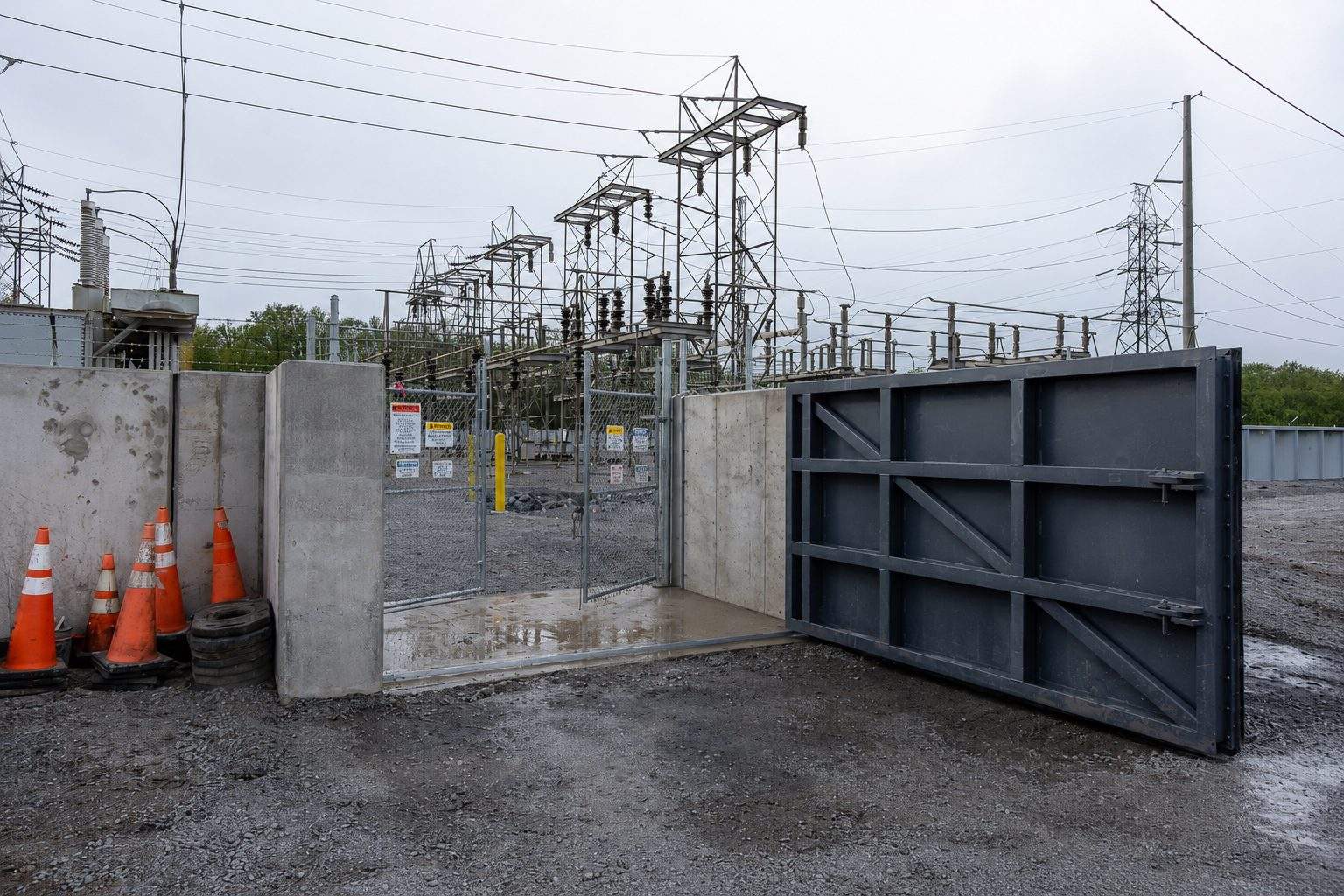
- Entergy is adding grid-hardening projects to the mix, like a $13.5 million job in St. Bernard Parish and cable work underground in Algiers.
- The early-season storm gives regulators and customers an early test of whether that kind of work can cut outages and keep restoration costs down.
Entergy’s Louisiana units moved into storm mode this week as crews and customers braced for bad weather. The action comes only days after the company rolled out new grid-hardening plans in St. Bernard Parish and Algiers to try to lower outages in areas often hit by Gulf storms.
Arthur lost steam late Wednesday, according to the National Hurricane Center. It’s now a post-tropical low near the upper Texas coast, but forecasters said the leftovers could still bring a lot of rain—5 to 10 inches, maybe up to 20 in spots—from Texas across Louisiana, Mississippi and Alabama until early Friday.
This is key for Entergy as storm response now hits more than just operations. It affects customer bills, draws regulator scrutiny, and builds Entergy’s argument that putting money into poles, wires, and undergrounding now can keep future repair bills in check.
Entergy Louisiana put the price tag of its St. Bernard Parish project at around $13.5 million. The plan includes upgrades to hundreds of power lines and calls for replacing or reinforcing about 640 distribution and transmission poles. Distribution lines serve local areas, while transmission lines move higher-voltage power farther. Entergy said the new gear is built to handle winds up to 150 mph.
Entergy Louisiana president and CEO Phillip May called the project “another important step toward building a stronger, more resilient electric system,” according to a company statement. Entergy said the St. Bernard work fits into a 10-year, $2 billion Louisiana resilience plan, which spans about 3,240 miles of power lines and 62,000 utility structures across the state. Entergy
Entergy gave its own numbers for the plan’s potential gains. The company said the St. Bernard project might save about $24 million in storm-restoration costs in the future and bring in roughly $117.5 million in capital maintenance and investment benefits over five decades. These are company estimates and not actual results yet.
Entergy said it has started work in the Tall Timbers and Park Timbers areas of Algiers, New Orleans. Crews are swapping out underground primary cable—the cable that supplies neighborhood electric circuits. The company reports about 40% of the planned underground infrastructure upgrades are done. The rest of the work will continue through 2026.
Entergy New Orleans is swapping out the underground primary cable for Tall Timbers and Park Timbers, according to Jessica Neveu, reliability manager. Crews are using less invasive techniques to keep digging to a minimum and avoid disrupting homes and property, the company said.
Thibodaux officials said Entergy Louisiana is set to replace resiliency poles downtown in the next few months. The City of Thibodaux announced the project, but didn’t mention a price tag.
Cleco on Wednesday said it was ready for Tropical Storm Arthur, warning that heavy rain and strong winds might knock out power for its customers. “Customers may experience outages,” said Clint Robichaux, Cleco distribution operations and reliability director. The Louisiana utility joins Entergy in moving early. Default
Hardening work helps, but it has limits. Upgrades like stronger poles or new cable can lower some risks, but flooding, soaked ground, fallen trees and blocked roads still slow down repairs or can mean power shutoffs for safety. The National Hurricane Center said a few tornadoes could hit southeast Louisiana and southern Mississippi Wednesday night.
Entergy told its customers to get ready for storms and to put together emergency kits. The company pointed to its app, outage map, and text alerts as ways to check restoration times. The company is watching to see if the new mix of poles, buried cable, and stationed crews keeps more homes and businesses up as Arthur’s rain heads inland.