
NEW YORK, June 20, 2026, 17:04 EDT
- Joby Aviation closed at $10.00 on Thursday, up 6.5%, before U.S. markets shut Friday for Juneteenth.
- The stock gained about 9.3% from its June 12 close, with sharp swings across the four-session week.
- Investors head into next week watching FAA certification progress, cash use and the competitive push from Archer Aviation and Beta Technologies.
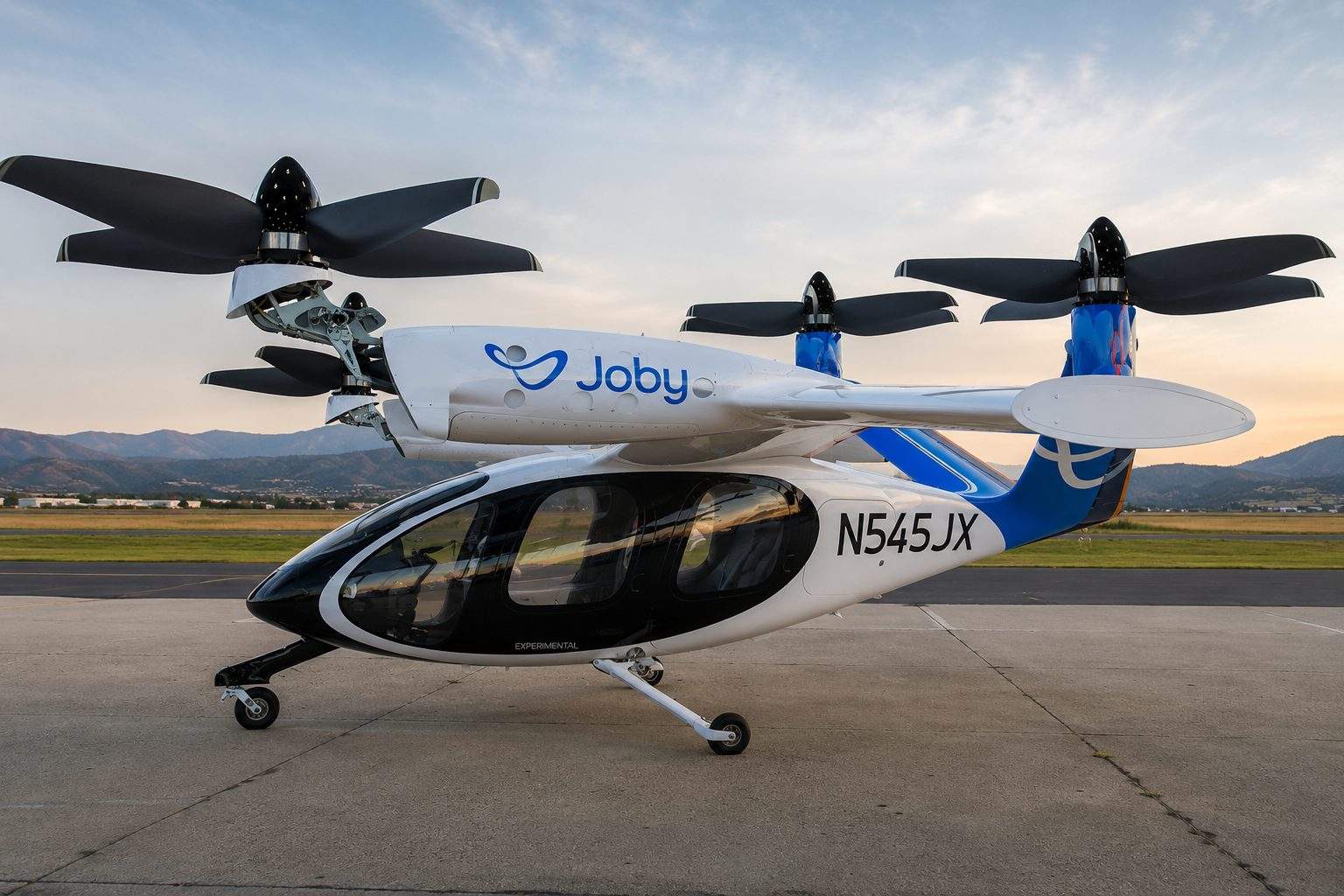
Joby Aviation ended a shortened U.S. trading week with a hard bounce, closing up 6.5% at $10.00 on Thursday, the last cash session before Juneteenth and the weekend. The move left the electric air-taxi developer back at a round-number level that traders often treat as a sentiment line, not a valuation anchor.
The timing matters. There was no Friday session to test the rally, and U.S. equities will have to reopen with Joby already up about 9.3% from its June 12 close of $9.15. The stock rose Monday, fell Tuesday, edged up Wednesday and then jumped Thursday on volume of about 44.5 million shares.
The wider tape was not calm. Reuters reported Friday that global shares dipped, U.S. stock futures fell between 0.1% and 0.2%, and the U.S. stock market was closed for Juneteenth as investors tracked geopolitical talks and a stronger dollar. That backdrop matters for Joby because early-stage aviation names tend to trade like long-duration growth stocks: the payoff is out in the future, while the cash cost is now.
Joby’s own case still rests on execution. The company said in May it ended the first quarter with $2.5 billion in cash, cash equivalents and short-term investments, and that initial operations were expected to begin in 2026 under the White House-backed eVTOL Integration Pilot Program in as many as 11 states. eVTOL means electric vertical takeoff and landing — aircraft that lift like helicopters but are designed for short passenger trips.
JoeBen Bevirt, Joby’s founder and chief executive, said in the company’s first-quarter release that Joby had a “very strong balance sheet” and the “clearest path” it had had to passenger operations. That is the quote investors keep trading around, even though the path still runs through regulators, manufacturing and a market that has not yet proved it can carry enough paying riders at scale. Joby Aero, Inc.
The $10 close therefore says more about patience than proof. Joby is still being valued on milestones — certification testing, aircraft output, route launches and partner execution — rather than mature earnings. Reuters’ company profile describes Joby as developing a piloted all-electric air taxi designed to carry a pilot and up to four passengers, with a target range of up to 100 miles on a charge.
The competitive field is also moving. Reuters reported in March that the FAA selected Beta Technologies, Joby, Archer Aviation and Electra for multiple air-mobility pilot programs; Beta CEO Kyle Clark told Reuters there were “big thematic tailwinds” from the administration on defense work. Archer, Joby’s most visible public-market peer, is also locked in legal sparring with Joby, a reminder that the sector is not just an engineering race. Reuters
But the downside case remains plain. If FAA approval takes longer than expected, if cash burn accelerates, if passengers are slower to adopt air taxis, or if suppliers and permits slow production, the market can quickly mark down the stock. Joby itself warns that forward-looking statements face risks tied to launch timing, aircraft volumes, permits, competition, capital needs, suppliers and regulation.
Next week’s first test is simple: whether buyers defend $10 after a three-day break. The larger test is not a chart level. It is whether Joby can keep turning demonstrations and pilot-program wins into the harder things public investors eventually demand — certified aircraft, repeatable service and revenue that does not require a story to explain it.
Related articles: NYSE:ACHR



![Asia Stock Market Today 26/08/2026 [UPDATE: 07:03 SGT] [Korea Opens Block Trading After Asia’s Broad Rebound]](https://ts2.tech/wp-content/uploads/2026/08/Asia-market-dashboard-2026-08-26-0703-480x384.jpg "Asia Stock Market Today 26/08/2026 [UPDATE: 07:03 SGT] [Korea Opens Block Trading After Asia’s Broad Rebound]")