
NEW YORK, June 21, 2026, 11:03 EDT
- Intel last closed at $133.99 on June 18, up 10.64%, before Nasdaq’s Juneteenth closure and the weekend pause.
- President Donald Trump said Apple agreed to work with Intel on U.S. chip design and manufacturing; Apple and Intel had not confirmed details to Reuters.
- The next read-through for chip stocks comes from Micron’s June 24 earnings, watched as a test of AI-related semiconductor demand.
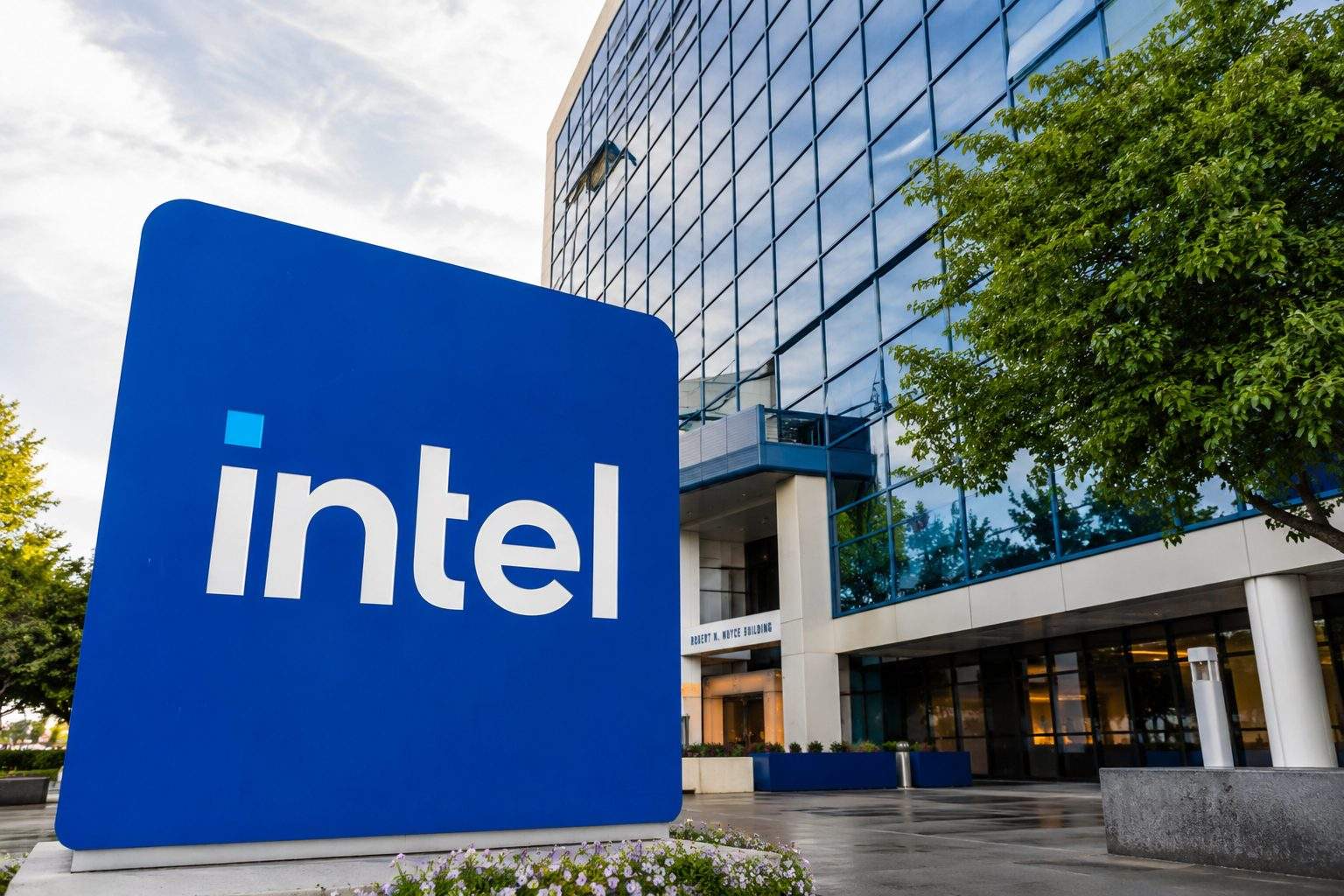
Intel Corp. heads into the new week at a record closing high, with investors trying to judge whether a White House-touted Apple chip partnership is the start of a real foundry turn or another sharp move in a stock already priced for better days. The shares finished Thursday at $133.99, up 10.64%, on volume of about 234 million shares. U.S. markets were closed Friday for Juneteenth and remain shut Sunday.
That matters now because Intel’s central problem is no longer just whether it can design chips. It is whether large outside customers will trust Intel Foundry, its contract-manufacturing arm, to make chips at scale. A customer such as Apple would give Intel a brand-name vote of confidence as it tries to close ground with Taiwan Semiconductor Manufacturing Co., whose capacity has been stretched by demand from Nvidia and AMD.
Last week was short but not quiet. Intel rose about 7.6% from the prior Friday’s close, based on closing prices, after a run that included a sharp Tuesday drop and a Thursday surge. The Philadelphia Semiconductor Index, a basket of U.S.-listed chip stocks, rallied 6.4% on Thursday and was up about 7% for the week, while the Nasdaq gained 2.43%.
Intel also moved to tighten the operating story around its factories. The company named Seok-Hee Lee executive vice president of Intel Foundry to lead advanced packaging, system integration and back-end manufacturing. Advanced packaging means combining or connecting multiple chip parts so they work as a higher-performance system. CEO Lip-Bu Tan said those capabilities are becoming “defining” for next-generation computing. Intel Corporation
The technical proof point is Intel 18A-P, the company’s next performance-enhanced manufacturing process. Intel said on June 16 that 18A-P had entered risk production, an early production stage before full-volume manufacturing, and foundry executive Naga Chandrasekaran said there was “more work ahead.” That phrase is doing a lot of work. Investors want Apple-sized demand; customers will want yields, timing and cost. Intel Corporation
The latest financial base is still mixed. Intel reported first-quarter revenue of $13.6 billion, up 7% from a year earlier, but a GAAP net loss of $3.7 billion. It forecast second-quarter revenue of $13.8 billion to $14.8 billion. That gives the rally some earnings support, but not yet the clean profit profile the share price is starting to imply.
The broader market has helped. “There’s still a lot of juice,” Andy Pratt, director of investment strategy at Burney Company, told Reuters about the AI trend. Steve Kolano, chief investment officer at Integrated Partners, said semiconductor demand was “through the roof” relative to chip capacity. Micron’s results this week will test that view, especially for memory and data-center demand. Reuters
But the risk is plain. Neither Apple nor Intel has laid out which chips are involved, when production would begin or how much volume Intel would get. Bernstein analyst Stacy Rasgon has cautioned that any initial Apple work may involve low-volume, less-critical components, according to MarketWatch. If that proves right, the stock may have moved faster than the revenue.
The week ahead is therefore less about one headline and more about confirmation. Intel needs evidence that outside customers are moving from talks to orders, and that its factories can deliver without slipping on yield or cost. For now, the market has given Tan a much higher share price. It has not yet given Intel the benefit of endless time.
Related articles: NASDAQ:NVDA