
New York, June 23, 2026, 07:03 (EDT)
- Microsoft got a 1.1% boost before the bell after shares fell 3.18% at Monday’s close.
- Investors are looking at Chevron’s new Texas AI data center power deal, but some concerns about broader AI infrastructure costs remain.
- Nasdaq 100 futures dropped over 2% ahead of the bell with heavy selling in big tech names continuing to weigh.
Microsoft shares traded higher before the bell Tuesday, taking back some ground after dropping sharply Monday. Investors looked at the news of a new West Texas data center as AI tech stocks fell across the board.
Microsoft traded at $371.54 as of 6:40 a.m. EDT, gaining 1.14% after closing Monday at $367.34. The stock dropped 3.18% in the last session, with 45.2 million shares changing hands. The Nasdaq Composite was down 1.32% and the S&P 500 edged 0.37% lower.
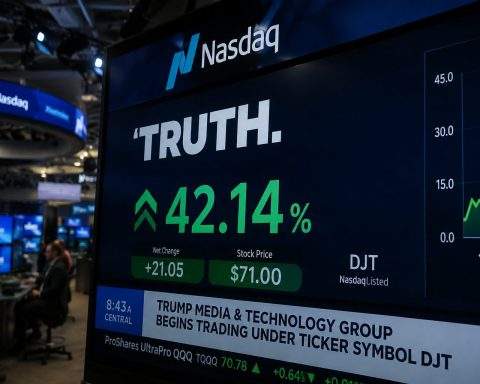
The regular Nasdaq session wasn’t open yet, which is key. According to Nasdaq, premarket hours are from 4:00 a.m. to 9:30 a.m. Eastern, ahead of the main 9:30 a.m. to 4:00 p.m. window. Early trades can move before the main cash session kicks in.
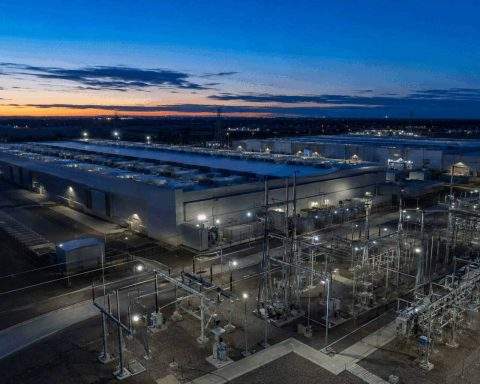
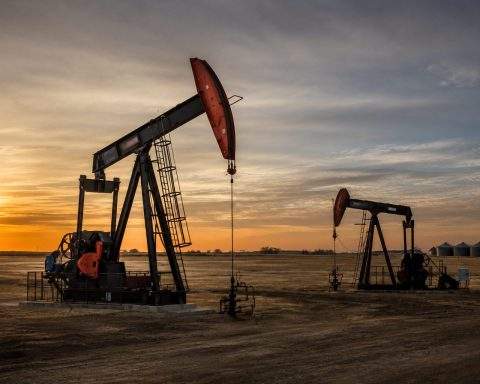
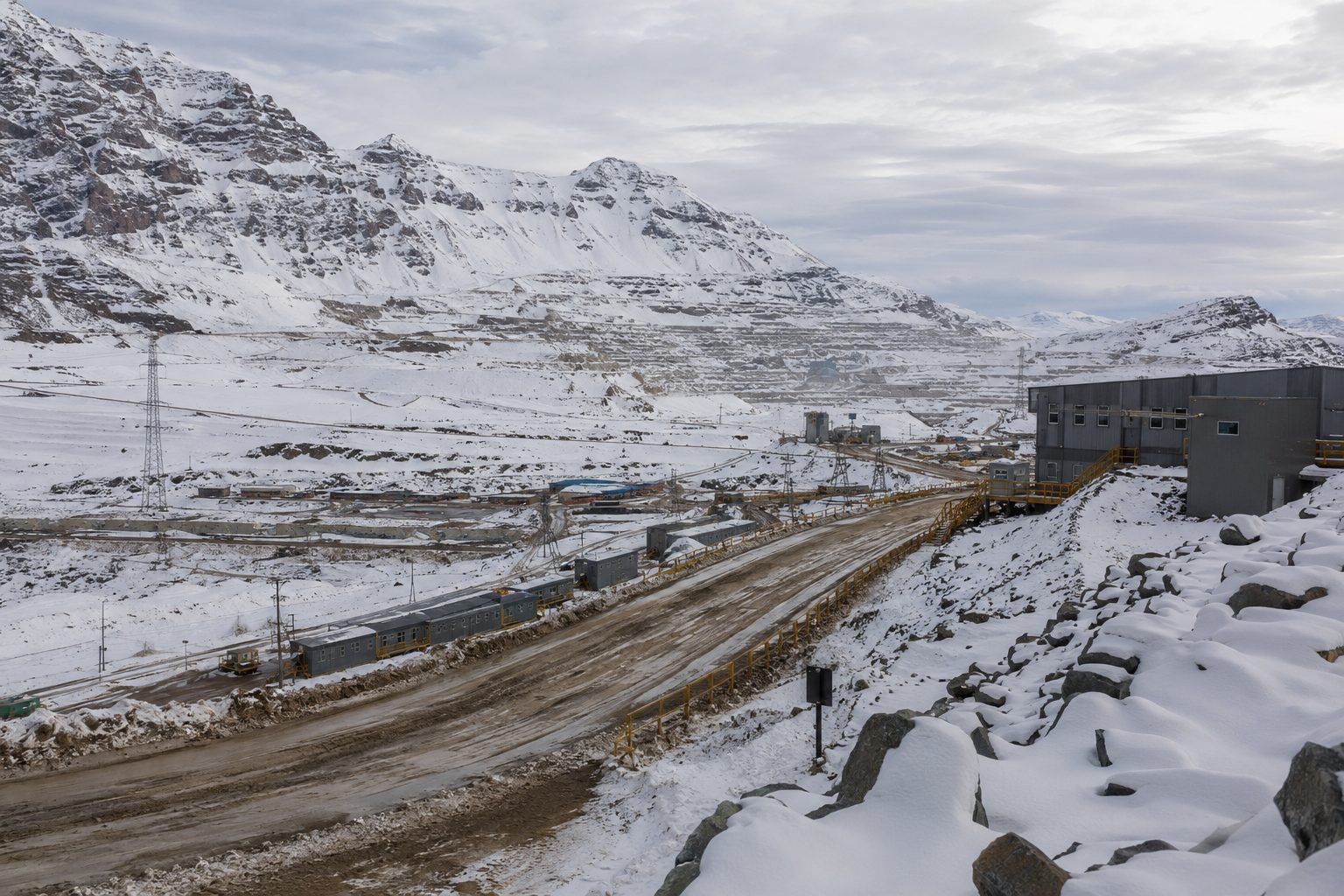
Chevron has signed a 20-year power deal to supply electricity to a Microsoft data center campus in Pecos, Texas. The company said its Project Kilby facility, built next to the data center, will provide dedicated natural gas power as Microsoft looks to add 2 gigawatts of data-center capacity.
Noelle Walsh, who heads cloud operations and innovation at Microsoft, said in a blog post the new build is going to be “one of the largest single capacity additions” the company has taken on. Walsh said demand for AI and cloud is rising fast. She also said Microsoft will put up money for new energy and infrastructure at the site. The Official Microsoft Blog
Microsoft’s bull case is simple: the company wants to lock up power before it runs short. Data centers—big buildings full of servers for cloud and AI—depend on big reliable power. For the biggest cloud names, power is now a bottleneck.
The market is questioning how fast the spending will deliver returns. Reuters said Microsoft, Amazon, and Meta dropped Monday along with other megacaps as investors looked at how much AI infrastructure is costing. Alphabet shares also slipped after another notable exit from Google DeepMind.
“This is more of a broader sector pullback,” said David Wagner, head of equity and portfolio manager at Aptus Capital Advisors, in comments to Reuters. Wagner noted that worries are mounting about tech firms’ AI capital spending, and said there’s a divide between companies “receiving the checks” and those “writing the checks” in the AI ramp-up. Reuters
Nasdaq futures lost over 2% in early Tuesday trading, as pressure persisted. Reuters pointed to market concerns about possible U.S. rate hikes and the use of debt for AI spending. Some investors worry Big Tech is “spending too much on AI infrastructure,” said Ipek Ozkardeskaya, a senior market analyst at Swissquote Bank. Reuters
Bill Northey, senior investment director at U.S. Bank, said to Reuters the sector is “very sentiment-driven.” Still, he pointed to strong fundamentals behind the AI data-center buildout, both for the large cloud providers, known as hyperscalers, and the suppliers tied to the expansion. Reuters
Microsoft is ramping up infrastructure spending while some investors are still worried about Azure. Last week Reuters said Microsoft got hit with a shareholder suit claiming it didn’t tell investors about Azure’s weaker growth and big AI expenses. Microsoft called the suit “without merit” and said it plans to fight it. Reuters
There’s a risk demand keeps up but investors have to wait longer for returns. Higher interest rates might make long-term AI bets less appealing, and cloud competitors like Alphabet and Amazon could fight over prices. Microsoft’s Pecos campus, which will use natural gas, could also raise fresh questions on its climate promises, even though the company says the facility will start out “behind the meter”—meaning it powers the campus itself, not the public grid. The Official Microsoft Blog
Right now, Microsoft shares are moving more on the bigger question dogging the AI trade than any single data-center reveal: can the firms spending on power, chips, and construction convert those costs into profits quickly enough to satisfy investors.
Related articles: NASDAQ:META