
New York, June 22, 2026, 20:01 (EDT)
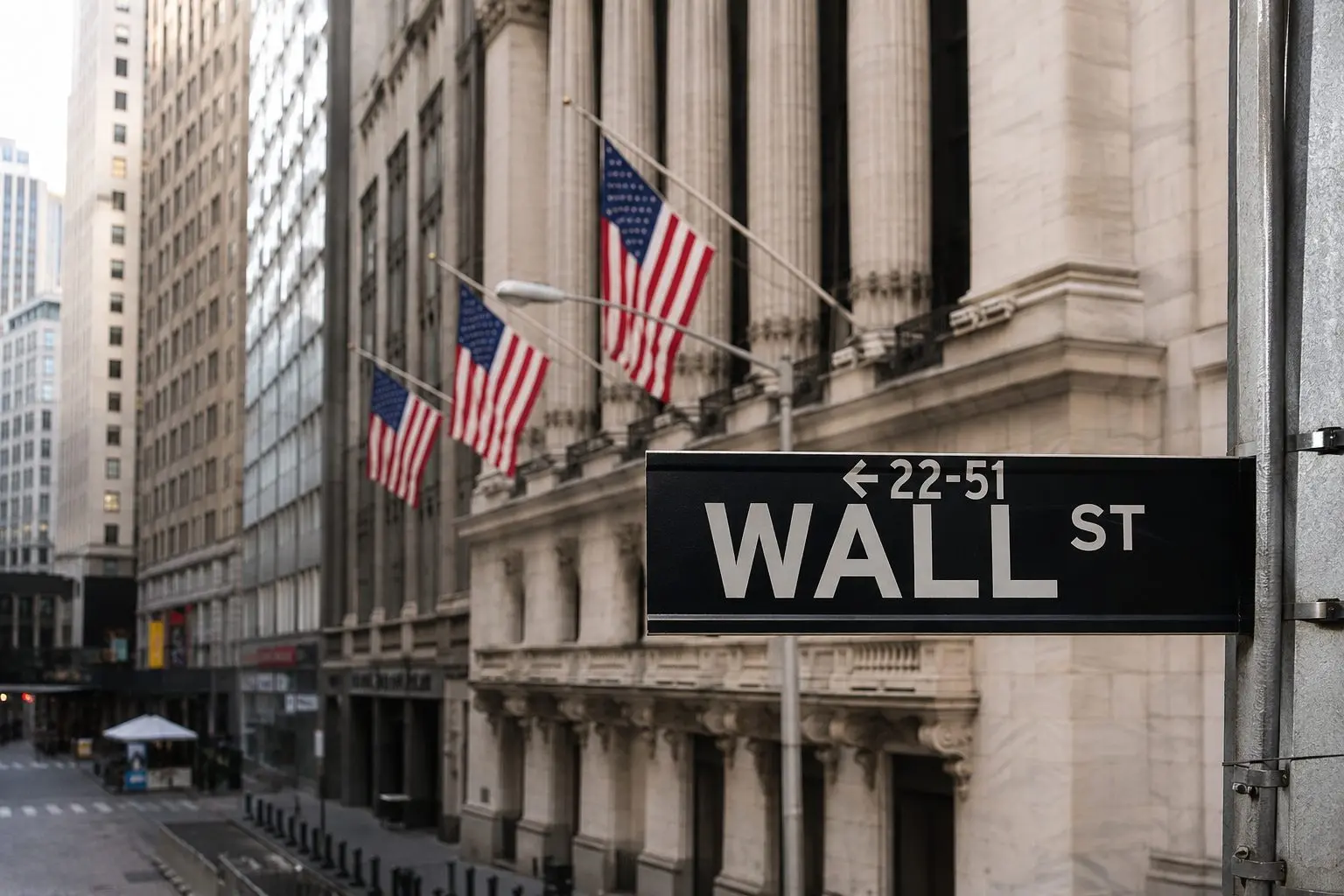
U.S. index ETFs were little changed in after-hours trading Monday. The Invesco QQQ Trust slipped 0.28% and the SPDR S&P 500 ETF dipped 0.11% just before 8 p.m. New York time. Dow ETF DIA inched up 0.02%. That kept the regular session’s pattern: blue chips up, growth weaker.
Dow eked out a gain on the day, up 148.01 points, or 0.29%, closing at 51,712.71. S&P 500 slipped 27.79 points, down 0.37%, ending at 7,472.79. Nasdaq Composite dropped 351.33 points, or 1.32%, to finish at 26,166.60. Traders didn’t see many reasons to jump into tech in the cash session.
AI stocks are back in the spotlight, but the trade is looking shaky. Investors have bid up artificial intelligence plays for most of the year. Monday’s drop showed buyers are pulling back from the names spending most on AI, especially the cloud hyperscalers, which run the massive data centers for rent.
Alphabet, Amazon, Meta and Microsoft dropped as the market showed nerves about large AI infrastructure budgets. “Broader sector pullback,” said David Wagner, head of equity and portfolio manager at Aptus Capital Advisors, tying it to worries over AI capital outlays. Reuters
Alphabet slid 5%. SpaceX sank 16.4%, logging its worst single-day loss after the Elon Musk-led group rolled out its first debt sale and reported about $100.8 billion in cash and cash equivalents as of June 19. Tech stocks are “very sentiment-driven,” said Bill Northey, senior investment director at U.S. Bank. But he noted there’s still some strength in the AI data center space. Reuters
Alphabet started watching more closely after John Jumper, a top Google DeepMind scientist and Nobel winner, left for AI startup Anthropic. The move raised new questions about who can hold on to AI talent, with suppliers of chips and memory—key to AI growth—also taking notice of Anthropic now.
Chip stocks didn’t move together in the after-hours selloff. Micron climbed both after the bell and during regular trading following its new deal with Anthropic. Storage stocks like SanDisk and Western Digital, which have benefited from AI trades this year, also stood out. So, some investors kept buying firms getting AI contracts while selling those paying out.
Sectors outside tech held up better than the Nasdaq numbers showed. Real estate and energy led gains as seven out of the 11 main S&P 500 sectors finished higher. Communication services slipped. The Russell 2000 climbed 0.83%. Sellers focused on specific spots, not the whole market.
Oil pulled stocks higher in spots, though the effect wasn’t enough for the Nasdaq. Brent crude finished off 3.38% at $77.90 a barrel. Traders pointed to relief on supply as U.S.-Iran talks moved forward. The 10-year Treasury yield climbed 5.78 basis points to 4.509%. For reference, a basis point equals one-hundredth of a percentage point. Gerry Sparrow, chief investment officer at Sparrow Capital Management, said markets were looking for the new Fed head to be “a little easier on rates.” Reuters
Fed policy remains the big concern. Chicago Fed President Austan Goolsbee said Monday that inflation keeps moving “the wrong way.” Consumer prices rose 4.2% in May, and the Fed’s go-to inflation measure, the PCE price index, climbed 3.8% in April. PCE is the inflation number the central bank tracks closest for interest rate decisions. Reuters
PCE data due Thursday is the risk to watch. A hotter print could lift rate-hike bets, push Treasury yields up and squeeze pricey AI names. U.S.-Iran talks falling through could send oil higher, wiping out the recent break in energy prices, just as investors are weighing if the tech drop is a blip or a longer pullback.
Market focus this week is on Micron’s numbers coming Wednesday and PCE inflation data set for Thursday. In after-hours trading, Nasdaq 100 futures slipped 0.25%, S&P 500 futures edged down 0.13%, while Dow futures ticked up 0.04% as of 7:09 p.m. No panic yet, but the tone is cautious with little sign of dip-buying.
Related articles: NASDAQ:META



![US Stock Market Today 08/23/2026 [UPDATE: 08:13 EDT] [Nvidia and PCE Face a Bond-Stressed Market: Weekly Recap and Week Ahead]](https://ts2.tech/wp-content/uploads/2026/08/US-market-dashboard-2026-08-23-0810-480x384.jpg "US Stock Market Today 08/23/2026 [UPDATE: 08:13 EDT] [Nvidia and PCE Face a Bond-Stressed Market: Weekly Recap and Week Ahead]")