
STOCKHOLM, June 26, 2026, 10:03 CEST
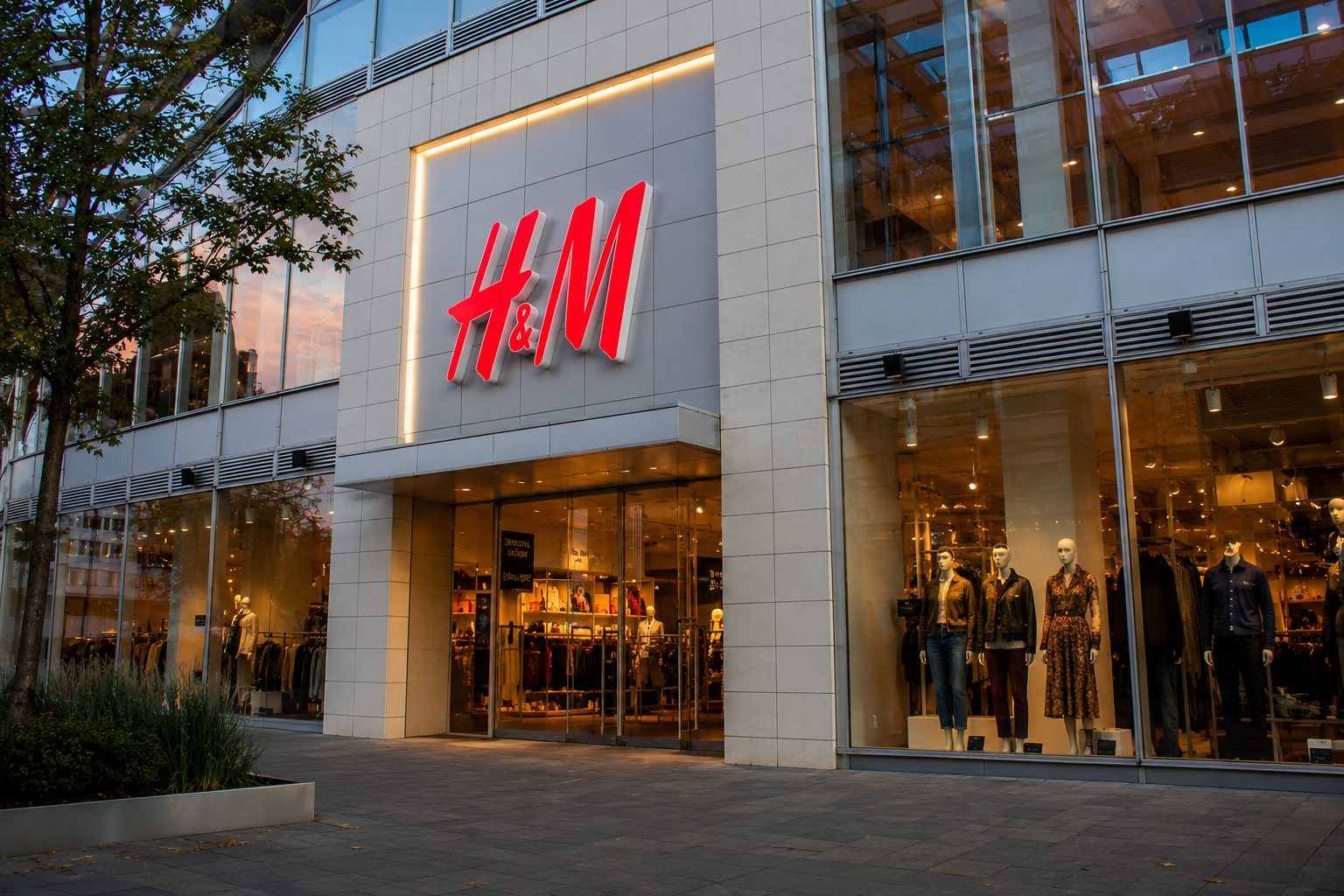
- H & M Hennes & Mauritz AB STO:HM-B slipped 0.95% to SEK 166.10 as of 10:01 CEST. Nasdaq trading hours in Stockholm are 09:00 to 17:30 local.
- H&M Group said Q2 net sales dropped 3% in Swedish kronor and 1% when measured in local currencies. Western Europe, which accounted for around 35% of sales, was down 3% in local currencies.
- Stock-in-trade dropped 10% to SEK 34.94 billion while gross margin increased to 56.6%. CEO Daniel Ervér said tighter stock management sometimes limited H&M’s ability to meet demand.
H & M Hennes & Mauritz AB STO:HM-B posted a higher margin despite softer sales. The second-quarter numbers showed benefits from running down inventory, but investors are left asking if H&M can keep lowering stock levels without hitting demand.
H&M B shares traded just under Morningstar’s SEK 169 fair value on Thursday after missing profit estimates. Analyst Jelena Sokolova called the demand shortfall a surprise and said “H&M’s turnaround continues to disappoint.” Morningstar
H&M reported net sales of SEK 54.83 billion for the March-May quarter, slipping from SEK 56.71 billion a year ago. The company blamed the stronger krona, saying it cut reported sales by just under 3 percentage points. Sales in local currencies were about flat with last year. The store count was also down by around 3% at quarter-end.
Regional numbers drove the stock. Western Europe, where H&M gets the most sales each quarter, was down 3% in local currencies. Southern Europe climbed 5%, but that region isn’t even half as big as Western Europe by reported sales. Asia, Oceania and Africa grew 2% in local currencies. Those units are smaller, too.
H&M held profit up even as sales lagged. Gross margin is at 56.6%, up from 55.4%. Operating profit before one-offs climbed 11% to SEK 6.59 billion. That’s a 12.0% margin. After restructuring and transition costs, operating profit was SEK 5.91 billion, almost unchanged.
The number missed the SEK 6.38 billion predicted in an LSEG poll. Ervér told Reuters “Europe, especially western Europe, has had a more difficult quarter,” pointing to weak performance in Germany and the UK as inflation and energy costs hit shoppers. Reuters
“The tighter inventory management has, however, in some cases affected our ability to fully meet demand,” Ervér said in H&M’s release. He also said H&M can get better at matching supply with what customers want. MFN
H&M’s stock-in-trade dropped to 15.8% of rolling 12-month sales, down from 16.6% last year. The company said current-season buying and a more flexible supply chain should mean better availability with lower stock levels. H&M added that its new European warehouses are set to roll out in 2026 and 2027.
H&M plans around 90 new stores and 170 closures in 2026, the company said, adding to its ongoing test. The retailer had 4,038 stores at May 31, 128 fewer than last year. H&M expects its store optimization for the full year to deliver a slightly positive effect on sales.
Rising polyester and cotton prices linked to the Iran war are making H&M’s margins tough to predict, CFO Adam Karlsson told Reuters. He said it takes six to eight months for these raw-material costs to show up in gross margin. If sales stay soft, H&M may have to do more commercial activity, which could squeeze margins further.
H&M’s battle with rivals is still tough. The company wants to lure customers back as it fends off Zara parent Industria de Diseño Textil SA BME:ITX and low-cost online players like Shein, according to Reuters.
H&M weighs in on weather’s impact. CEO Ervér told Reuters the retailer is adding lighter materials to its autumn range, with hotter summers sticking around. “We see that the tendency is that summer runs longer,” he said. H&M continues to forecast June sales in local currencies roughly even with last year. Reuters




![US Stock Market Today 08/28/2026 [UPDATE: 02:04 EDT] [Marvell Stalls Near Overnight Low as Price Discovery Fades]](https://ts2.tech/wp-content/uploads/2026/08/US-market-dashboard-2026-08-28-0159-480x384.jpg "US Stock Market Today 08/28/2026 [UPDATE: 02:04 EDT] [Marvell Stalls Near Overnight Low as Price Discovery Fades]")