
NEW YORK, June 28, 2026, 11:04 (EDT)
- SpaceX closed Friday at $153.23. That’s up from its $135 IPO, but shares are well off their highs since listing.
- Russell and Nasdaq-100 index demand may hit $8 billion, which could be close to 8% of the listed float.
- The stock could trade off index moves over the near term, instead of earnings.
- Russell index funds will hold SpaceX at the start of the week and get set for the stock’s Nasdaq-100 debut on July 7.
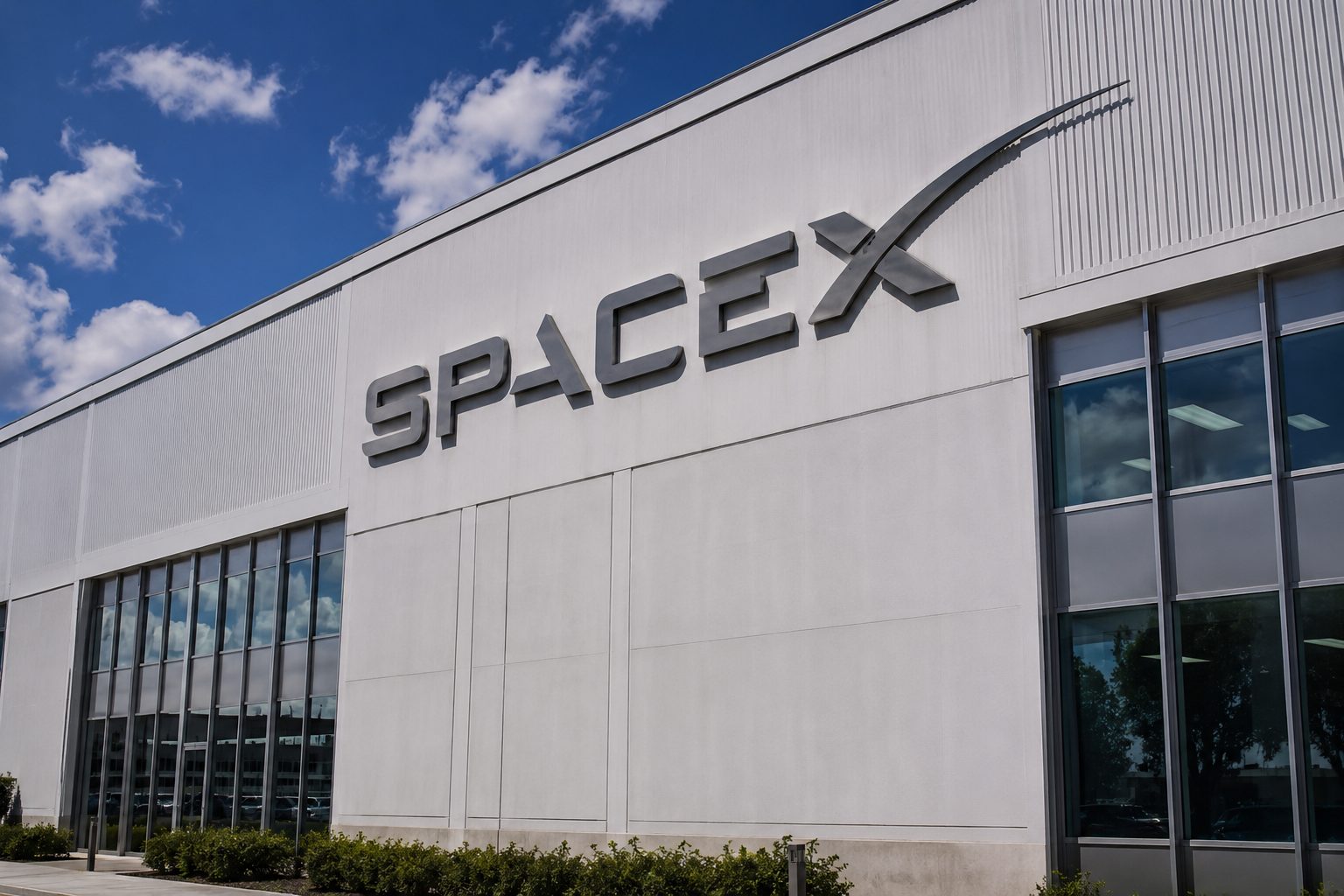
Space Exploration Technologies Corp. NASDAQ:SPCX, also called SpaceX, starts the week facing a new IPO test. This time it’s about if index funds can keep up demand for a $2 trillion company, where the public float is thin and capital demands remain high.
U.S. cash equities are closed for the weekend. SpaceX last changed hands at $153.23, up 13.5% from its $135 IPO but still down roughly 32% from the 52-week peak at $225.64.
The part getting less attention is the scale of passive demand versus shares that can actually trade. Reuters said just $100 billion of SpaceX shares are listed for trading, with most held by Musk, insiders, and employees. Russell-linked funds have to buy over $4 billion worth, Stephens said. J.P. Morgan sees likely Nasdaq-100 passive inflows at $4.3 billion. Combined, that’s about 8.3% of the listed float.
SpaceX traded up 0.15% Friday ahead of its addition to Russell U.S. indexes after the close, with Reuters reporting about $19 billion worth of shares changed hands—nearly half in the last minutes of trading. Index changes from FTSE Russell mean funds like the iShares Russell 1000 ETF NYSEARCA:IWB needed to buy SpaceX before Monday’s open.
Jefferies Financial Group Inc. NYSE:JEF equity analyst Steven DeSanctis said before the rebalance that the reconstitution this week could drive a “really massive trade” on Friday, calling the turnover “dramatic.” Stephens analyst Melissa Roberts also said Friday would be a “key liquidity day.” Reuters
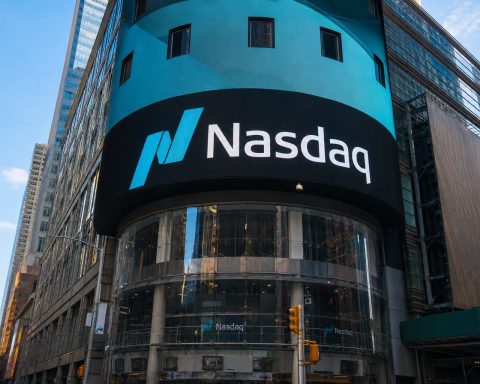
Nasdaq Inc. NASDAQ:NDAQ will add SpaceX to the Nasdaq 100 before the open on July 7. That move will put the stock in products like Invesco QQQ Trust NASDAQ:QQQ and Invesco Nasdaq 100 ETF NASDAQ:QQQM. Managers don’t own it for the valuation—they buy it because it goes in the index.
“Clearly, there’s a lot of demand, that’s why they fast-tracked the integration into the index,” Michael Field, chief equity market strategist at Morningstar Inc. NASDAQ:MORN, told Reuters. “A lot of people will be happy with it. Some fund managers, and the skeptics, us included, are less so. We think the stock is overvalued.” Reuters
Bearish arguments stick. SpaceX lost $4.9 billion last year, with shares recently valued near 107 times expected 2025 sales, Reuters said. That’s a steep multiple compared to Nvidia Corp. NASDAQ:NVDA, the AI chipmaker, which traded at about 21 times sales.
SpaceX is on the hunt for cash. The company on Tuesday rolled out a five-part notes sale aiming to raise at least $25 billion—its first time moving into investment-grade dollar bonds. The money will pay off bridge loans and cover general spending, with expansion in AI set to cost tens of billions for data centers, hardware, and power. Books hit almost $85 billion, according to a source cited by Reuters.
The company set its IPO price at $135 a share on June 11, selling 555.56 million shares for a total of $75 billion and putting its valuation at $1.77 trillion—the biggest U.S. IPO on record. “The real test will be how the market digests the IPO over the next several weeks, not just one day,” Adam Sarhan, chief executive at 50 Park Investments, told Reuters. Reuters
Jay Ritter, IPO expert and University of Florida professor, told CBS News after the debut, “there’s a long way to go to catch up with the profitability” of the larger tech names. Matthew Kennedy at Renaissance Capital added, “some stocks are expensive and stay expensive.” CBS News
S&P Global Inc. NYSE:SPGI stuck to its index rules this month, saying SpaceX won’t get faster entry. The company won’t change S&P 500 entry requirements and plans to wait at least a year before looking at the stock. So the focus stays on Monday’s Russell move and the July 7 Nasdaq-100 inclusion as the next clear triggers.
Related articles: NASDAQ:NVDA