
NEW YORK, June 29, 2026, 19:01 (EDT)
- Oracle Corporation NYSE:ORCL shares slipped 0.52% to end at $147.76. U.S. tech stocks mostly climbed.
- The company has a $638 billion backlog, which is roughly 1.5 times its market cap. Just 12% of that is projected to be realized in the next year.
- Net capex for fiscal 2027 is seen around $70 billion, about the same as the backlog conversion expected for next year.
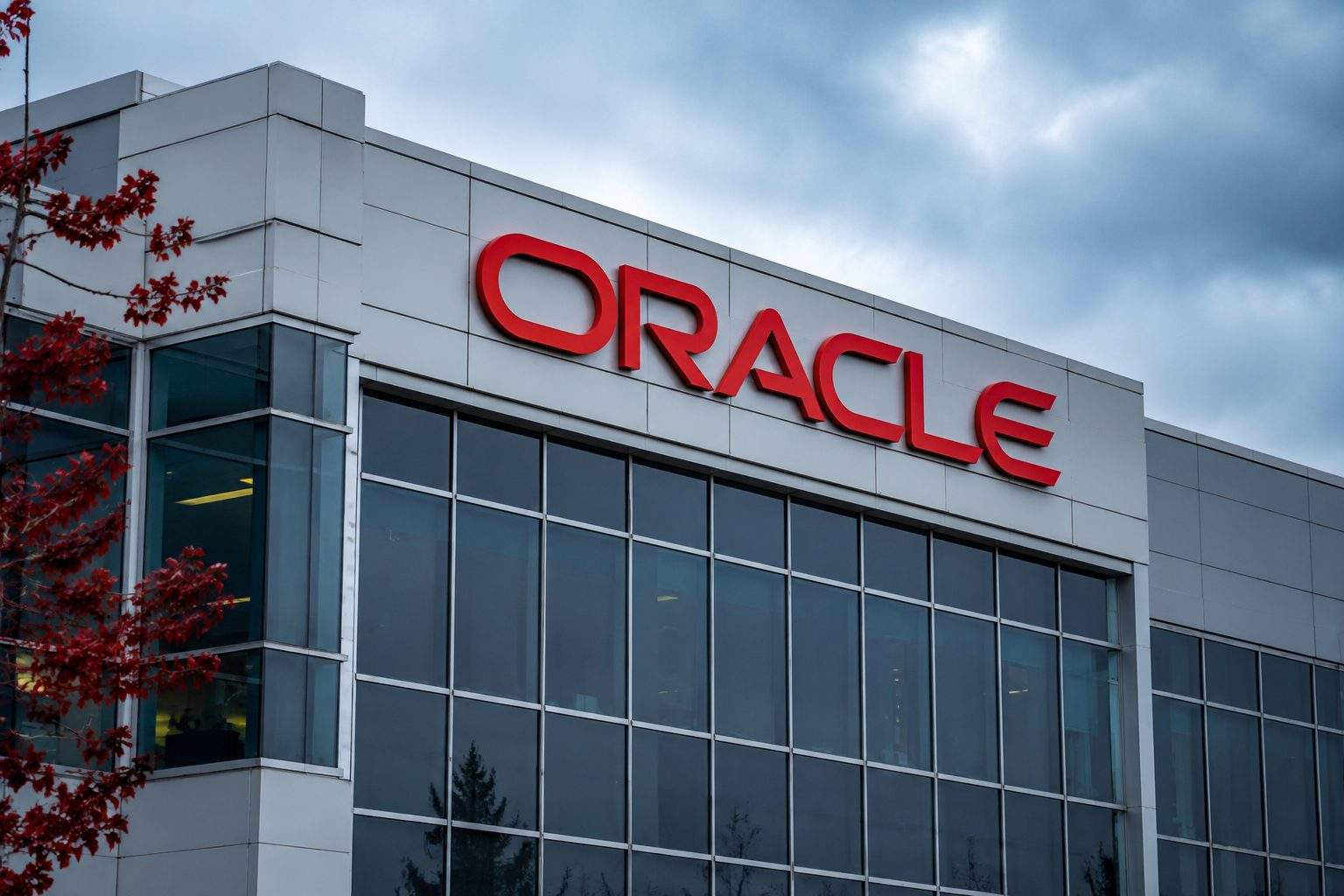
Oracle Corporation NYSE:ORCL slipped 0.52% to $147.76 Monday. Shares gave up an early move up tied to AI-infrastructure, finishing weaker while most tech names rose. Stock traded between $145.20 and $154.50. Volume came in at 34.06 million shares, or 126% of its 65-day average, numbers from MarketWatch show.
Oracle had climbed 3.5% in premarket trading on Monday after dropping almost 20% last week, its worst week since 2001, MarketWatch reported, citing FactSet. But shares finished lower on the day, even as the S&P 500 added 1.2% and the Nasdaq rose 2.1%.
| Monday move | Change | Note |
|---|---|---|
| Oracle NYSE:ORCL | -0.52% | Finished at $147.76 |
| S&P 500 | +1.2% | Main U.S. equity gauge |
| Nasdaq Composite | +2.1% | Weighted to tech stocks |
| Oracle volume | 126% of 65-day average | Volume above normal. Shares closed down slightly. |
Oracle faces new questions, not about landing AI cloud contracts, but about how soon those deals turn into revenue and at what expense. Remaining performance obligations—revenue locked in but not yet booked—hit $638 billion at the end of the quarter, a jump of 363% from last year and $85 billion higher than last quarter. Fiscal 2026 revenue reached $67.4 billion.
Oracle’s market cap sat near $430.3 billion Monday, putting its backlog at around 1.5 times its equity value. That may look cheap. The tougher question is when the money arrives. CFO Hilary Maxson told analysts Oracle expects to see 12% of its backlog, or $76.56 billion, in the next 12 months, and another 34%—roughly $216.92 billion—over the next two years, according to Reuters.
| Oracle cash-timing check | Figure | Investor read-through |
|---|---|---|
| Remaining performance obligations | $638 bln | 1.5x current market value |
| Expected in next 12 months | $76.56 bln | 12% of the backlog |
| Expected fiscal 2027 net capex | ~$70 bln | Nearly covers next year’s backlog |
| Fiscal 2026 free cash flow | -$23.7 bln | Cash burn showing up |
| Planned debt/equity raise in FY2027 | ~$40 bln | Raising capital still key |
This is important because Oracle is now getting priced more like a debt-heavy data-center builder, not a traditional software player. Oracle is projecting around $70 billion in its own capital spending for fiscal 2027, Reuters reported, and it expects another $20 billion to $25 billion that would be reimbursed. The company also wants to raise about $40 billion through debt and equity.
Oracle execs pushed back on concerns about spending, saying this was about delivery ramping up. CEO Clay Magouyrk told analysts the company’s delivery pace “continues to accelerate” and said first-quarter delivery was close to one gigawatt—almost what Oracle did in the last four quarters combined. Maxson said gross margins would “step down” as data-center projects pick up. Reuters
The stock is stuck in the middle of a growing divide in the AI trade. “AI is working for the providers,” said Jake Dollarhide, chief executive at Longbow Asset Management. “It is not working for the spenders.” Goldman Sachs analyst Kamakshya Trivedi told Reuters the split is “most acute in the AI space,” the news service said Monday. Reuters
Oracle has ramped up spending. Reuters said last week that Oracle’s headcount dropped 13% to 141,000 in fiscal 2026—a cut of about 21,000 jobs—while restructuring charges jumped to $1.84 billion from $374 million the prior year. At the same time, Oracle has inked big data center contracts with OpenAI and Meta Platforms NASDAQ:META, aiming to take on Amazon.com NASDAQ:AMZN and Microsoft NASDAQ:MSFT more aggressively.
Analysts are still sticking to the bull camp. According to StockAnalysis, there were 42 analyst ratings for Oracle in June: 28 strong buys, eight buys, five holds and one strong sell. KeyBanc’s Jackson Ader kept his $300 target as of June 23, and Jefferies’ Brent Thill left his target at $320.
Right now, Oracle is trading on a basic story: its contracted revenue for next year is just a bit higher than its planned net capex. If Oracle misses on delivery, margins take a hit, or funding costs climb, that $638 billion backlog doesn’t give investors as much cushion as the headline number implies.