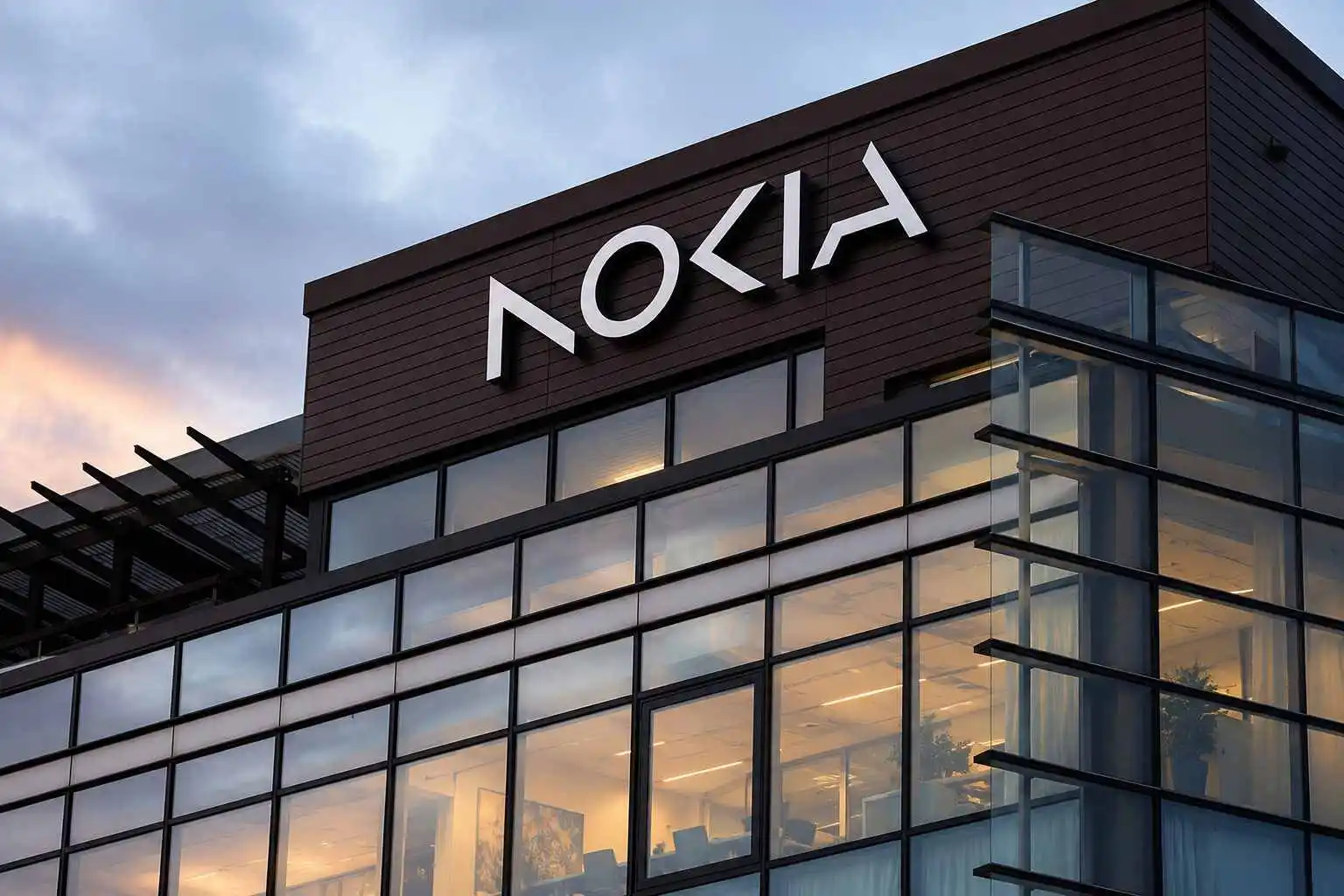
HELSINKI, July 14, 2026, 17:08 EEST
- Nokia shares in Helsinki dropped 2.5% to €10.30 during afternoon trade.
- Nokia’s May consensus shows 72.4% of estimated 2026 comparable operating profit needs to come in the second half.
- Ericsson fell 11.1% as the company said higher AI infrastructure demand is pushing up prices for memory and custom chips.
Nokia Oyj’s HEL:NOKIA shares slipped 2.5% to €10.30 in Helsinki at 16:44 EEST after investors reacted to a cost warning from Ericsson STO:ERIC-B. The AI-driven rally is under the microscope, as nearly 75% of the company’s consensus comparable operating profit for the year is still to be generated in the back half. Focus has shifted—demand isn’t the main concern now.
Nokia reports Q2 results on July 23, and the timing could be tough. Ericsson raised a flag about higher prices for memory and custom chips nine days earlier, citing AI spending. “The whole AI build-out is putting quite the pressure on the whole industry, including us,” Ericsson CFO Lars Sandström told Reuters. Now, component inflation is set to dominate Nokia’s earnings talk. Reuters
Ericsson posted an adjusted operating profit of 6.52 billion Swedish crowns, topping the analyst consensus of 6.42 billion. But quarterly sales came in down 6% at 52.7 billion crowns, below what the market expected. Networks revenue slid 8%. Shares fell hard to SEK100.25 as investors looked past the small profit beat and focused on the murky outlook.
Nokia faces a tough climb. Its first-quarter comparable operating profit came in at €281 million. Analysts as of May 6 saw €372 million for Q2, and €2.364 billion for the year. That means the implied haul for the second half is €1.711 billion—almost three-quarters of the annual total. Most of the profit needs to land in the second half.
| Nokia 2026 profit bridge | € million | Share of full-year consensus |
|---|---|---|
| Q1 reported | 281 | 11.9% |
| Q2 consensus | 372 | 15.7% |
| H1 expected | 653 | 27.6% |
| Second half implied | 1,711 | 72.4% |
| Consensus for year | 2,364 | 100.0% |
Nokia is guiding for second-quarter operating profit to be 12% to 16% of the full-year total. Consensus is at 15.7%, close to the high end. But to hit its target, Nokia will need to pull in about €856 million per quarter in the second half—more than double the expected Q2 number. Seasonality is a factor, but it doesn’t leave much buffer for higher costs.
Nokia’s stock price stayed up about 85% for 2026, even after Tuesday’s drop. That’s still about 31% under the €15.00 52-week high. The AI story hasn’t been thrown out, but investors have cut the added premium. The room for mistakes in this rally has shrunk.
| Latest available on July 14 | Price | Session move |
|---|---|---|
| Nokia, Helsinki, last checked 16:44 EEST | €10.30 | -2.51% |
| Ericsson B, Stockholm, delayed quote | SEK100.25 | -11.09% |
Nokia kept up its pace in the first quarter. Sales to AI and cloud customers rose 49%, now making up 8% of total revenue. Orders from those groups hit €1 billion. Optical Networks sales climbed 20%. “We are increasing our growth assumption for Optical and IP Networks,” CEO Justin Hotard said, as Nokia raised its sales-growth target for Network Infrastructure to 12%–14%. The order book still points higher. Nokia Corporation | Nokia
Nokia got a lift on Tuesday with news of a 5G agreement, bringing more work for its radios, baseband, and AI-based software. No value was disclosed for the contract, and Helsinki shares kept sliding. Wins like this need to show profit paths. The market is waiting.
Ericsson’s numbers point to tough spots ahead. Adjusted gross margin was 48.4%. But management now sees more pressure on Networks profitability in the third quarter, blaming rising component inflation and a heavier mix of lower-margin rollout projects. “In Q2, we took action to mitigate component cost inflation,” outgoing CEO Börje Ekholm said, noting that pricing and internal moves would stay in play. Cost control is now front and center. ericsson.com
Ericsson isn’t a direct stand-in for Nokia. Nokia’s biggest gains are coming from optical and IP systems for data centers, while Ericsson is still tied largely to mobile-network demand. That could mean differences in margins—thanks to different terms with suppliers, mix of products, or prices. Nokia calls out chip supply, component costs, and supply-chain snags as key risks. So any comparison with Ericsson is more rough guide than like-for-like.
Nokia reports Q2 on July 23. Investors are expected to focus less on sales growth and more on gross margin, which was forecast at 44.5% in the May consensus. The street is also watching if management keeps its €2.0 billion to €2.5 billion full-year operating profit target. For now, changes to the second-half profit outlook look more important than a small revenue beat. AI orders drove the valuation up, but margins will decide if it lasts.
Related articles: HEL:NOKIA