NEW DELHI, July 23, 2026, 21:43 IST
- According to India’s roadmap, operators other than NPCIL will be allocated 46 GW of nuclear capacity.
- This represents 59% of the additions needed beyond FY2031-32.
- Preliminary data shows two named utility targets account for 87% of the pool.
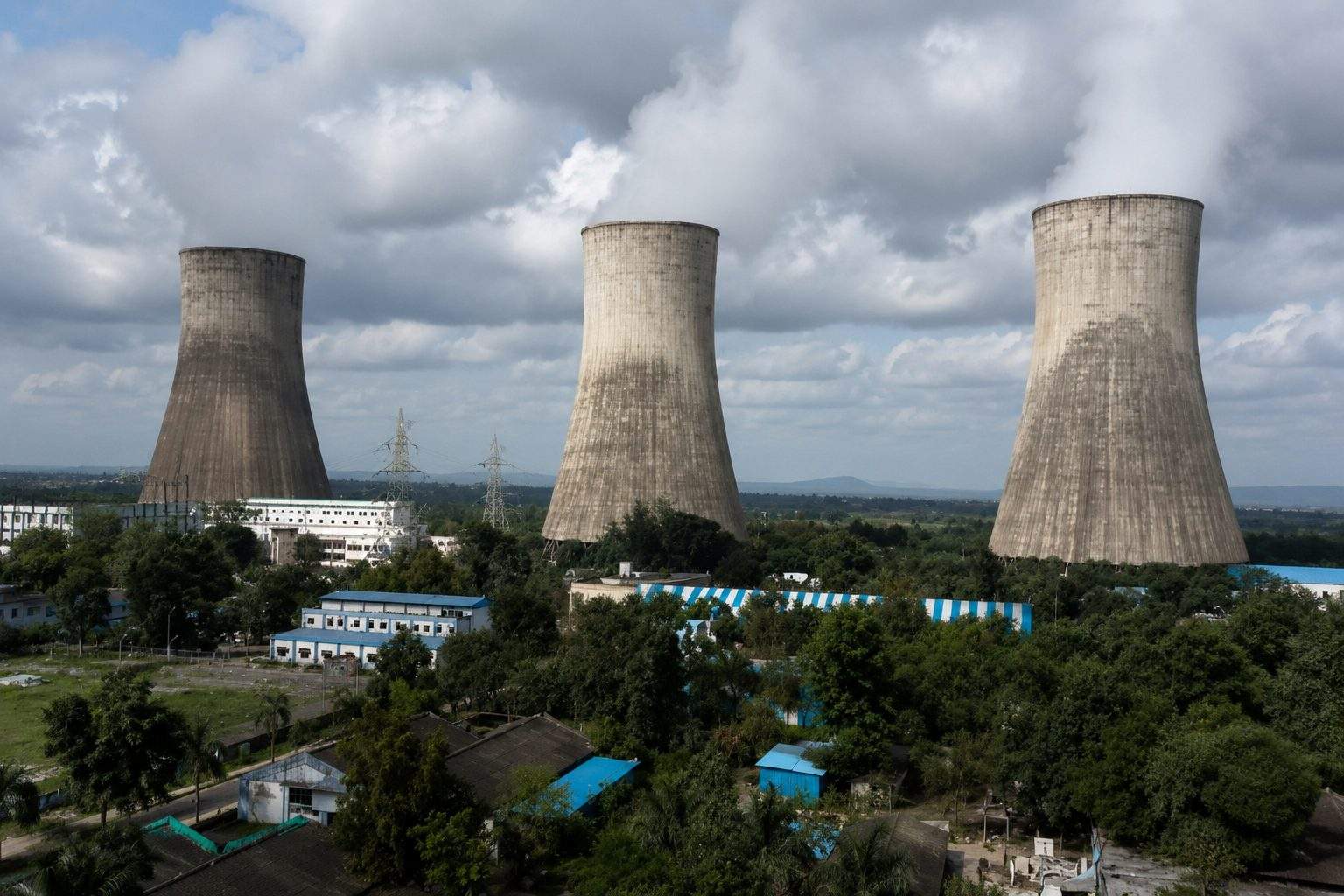
Of India’s 100-GW nuclear goal, 46 GW is set to come from sources other than Nuclear Power Corporation of India Ltd (NPCIL), forming the main section of the plan open for competition.
The pool accounts for 59% of the required 78 GW beyond FY2031-32. The resulting construction rate is over double the previous straightforward rate.
NTPC NSE:NTPC plans to reach 30 GW of nuclear capacity, while Adani Power NSE:ADANIPOWER aims for 10 GW by 2035. Combined, these ambitions make up 87% of the 46-GW total pool. This comparison remains tentative since targets do not represent actual awards, and some joint ventures may be counted in multiple categories.
The official roadmap indicates the necessary speed-up:
| Roadmap point | Capacity | Net addition | Preliminary annual pace | Planned delivery |
|---|---|---|---|---|
| Current | 8.78 GW | — | — | Active fleet |
| By FY2031-32 | About 22 GW | 13.22 GW | Roughly 2.3 GW per year | Projects being executed |
| After FY2031-32 to 2047 | 100 GW | 78 GW | 5.2 GW per year | 32 GW via NPCIL; 46 GW through others |
The initial rate is a basic projection spanning July 2026 to March 2032. Commissioning is expected to occur unevenly.
The five-SMR goal serves as a closer-term technology trial. India aims to have a minimum of five domestically built units running by 2033. The government’s statement did not disclose their total electrical output.
BARC is working on 220-MWe and 55-MWe reactor models. A separate unit, with a capacity of up to 5 MW thermal, is aimed at generating hydrogen. Tarapur has obtained site clearance for both of the larger power reactor projects.
The SHANTI Act has allowed private companies to enter nuclear power generation. Adani executives stated that comprehensive regulations are the immediate hurdle for investment.
“It will all depend on which is more cost-effective,” said Chief Executive Shersingh Khyalia. He added that power tariffs need to remain affordable for distributors. Reuters
KPMG stated that ensuring bankability requires stable licensing conditions and reliable liability insurance. The firm advised using long-term power agreements and suggested sharing risk for initial projects.
Utility revenues might lag behind equipment shipments. Larsen & Toubro NSE:LT manufactures reactor vessels along with other essential nuclear infrastructure.
At publication, Indian cash markets were shut following the regular close at 15:30 IST. The Nifty rose 0.5% during the last complete week. Between July 17 and Thursday, it dropped 1.9%. Thursday marked a fourth consecutive slide as oil traded above $98.
NTPC gained nearly 1.8% from the July 17 close, outperforming the Nifty by approximately 3.7 percentage points. Adani Power dropped around 1.0%.
NTPC is set to announce its quarterly results on Friday. L&T will release its results on July 28. Market participants will focus on NTPC’s capital discipline and L&T’s prospects for nuclear orders.
Risks include potential delays in implementing detailed rules, possible tariffs not meeting affordability standards, and financing that may fall behind. Key challenges also remain in liability, insurance, and supply-chain capacity.