LONDON, July 24, 2026, 14:06 BST — The London market is now open.
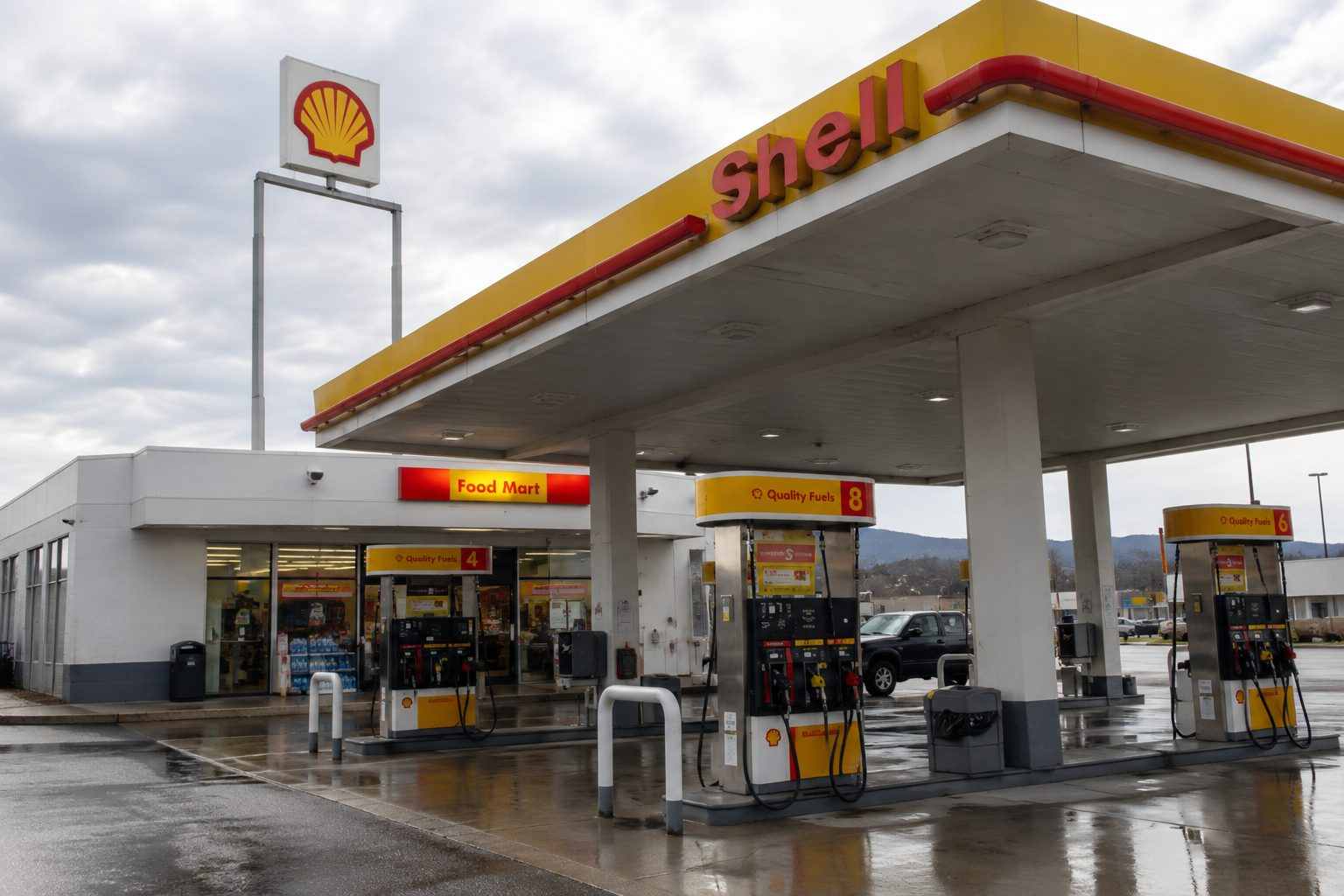
- Shell slipped 1.3% to 3,299.5 pence as of 13:48 BST. The FTSE 100 gained 0.4%.
- Second-quarter adjusted earnings are estimated at $8.92 billion, reflecting a 109% increase, according to preliminary consensus.
- Chemicals and product segments are projected to contribute 48% of anticipated profit growth. Operating cash flow is estimated at $21.2 billion.
Shell’s stock declined on Friday even as projections indicated a significant increase in quarterly profit. Close to 50% of the anticipated profit growth is attributed to chemicals and products, covering refining and oil trading operations.
This adjustment moves the July 30 test from production focus to cash conversion. Trading profits need to replenish cash reserves and underpin the subsequent buyback programme.
Shell shares were at 3,299.5 pence, falling 1.33% as of 13:48 BST. The FTSE 100 rose 0.39%. Brent crude dropped 3% to $97.69, having earlier reached $102 overnight.
| Metric | Q2 2025 | Q2 2026 preliminary consensus | Change |
|---|---|---|---|
| Adjusted earnings | $4.264 billion | $8.920 billion | up 109% |
| Chemicals and Products earnings | $0.118 billion | $2.339 billion | increase of $2.221 billion |
| Upstream earnings | $1.732 billion | $3.512 billion | increase of $1.780 billion |
| Operating cash flow | $11.937 billion | $21.218 billion | up 78% |
The figures reflect the consensus among analysts rather than official Shell guidance. The survey conducted on July 22 compiled 20 separate adjusted earnings forecasts.
Of the anticipated profit growth, $2.221 billion comes from chemicals and products, representing 47.7%. Upstream contributes an additional 38.2%. Combined, these segments make up 86% of the total increase.
Greater emphasis is placed on cash flow. Analysts are forecasting a working-capital inflow of $3.536 billion, representing a $3.922 billion change compared with the same period last year.
Shell’s July trading update backs up that cash outlook. The company forecast a working-capital inflow ranging from $1 billion to $6 billion. Integrated gas trading performance is expected to be “significantly higher” than it was in the first quarter. Reuters
Chemicals and products trading is expected to be in line with a robust first quarter. Shell reported a preliminary refining margin of around $20 per barrel. Actual margins came in lower due to market disruptions.
Shell posted adjusted earnings of $6.9 billion in May. Operating cash flow was reduced by an $11.2 billion working-capital outflow. The firm lowered its quarterly share repurchase to $3 billion, down from $3.5 billion.
“The volatility in March has opened up opportunities,” Chief Executive Wael Sawan stated at the time. The Wall Street Journal
Shell’s existing $3 billion share buyback in London is scheduled to conclude on Friday. Any purchases that were not completed due to an acquisition pause will be moved into subsequent 2026 programmes, pending approval from the board.
Industry peers reinforce the outlook for downstream operations. TotalEnergies EPA:TTE posted an adjusted profit of $6 billion on Thursday, representing a 67% increase. Earnings from refining and chemicals surged 362% to reach $1.8 billion.
LNG profits dropped by 22% to $807 million. Chief Executive Patrick Pouyanné told analysts, “Hormuz is a battleground.” With this division, Shell’s trading execution is now the primary variable. Reuters
Risks: Upstream profits would fall if oil prices suddenly drop. Trading performance may fall short of estimates even with market volatility. Outages in Qatar and subdued realised margins may also limit cash generation.
Shell is set to release results on July 30. Profits around $8.92 billion would clear expectations. Operating cash flow exceeding $20 billion would provide a stronger signal.