NEW YORK, August 2, 2026, 11:58 a.m. EDT
- The lowest-cost unleveraged S&P 500 ETF in the U.S. has an annual fee of 0.02%.
- The leading three stocks in the index accounted for 20.29% as of July 30.
- Consensus for Friday’s employment report is an increase of 83,000 jobs.
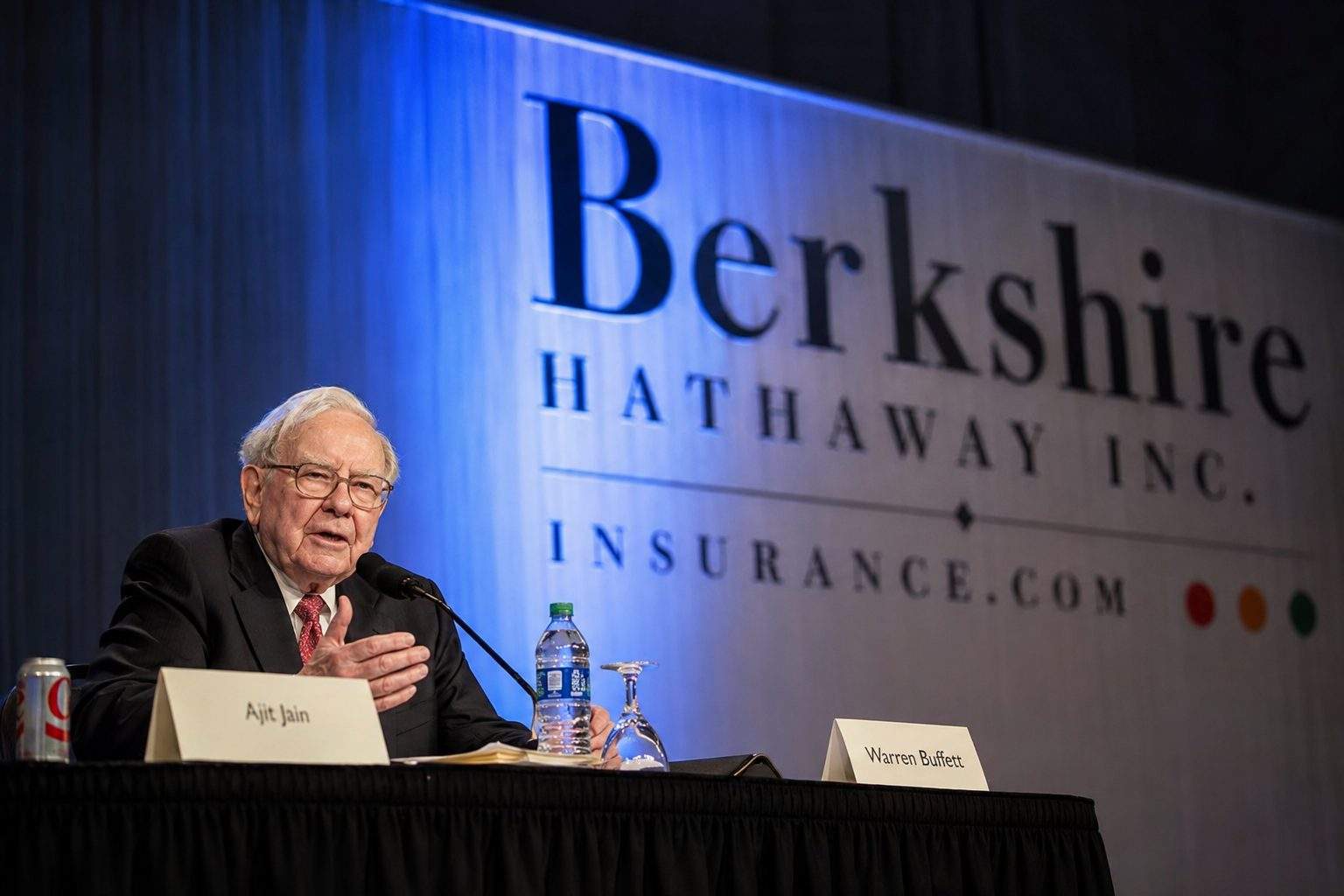
Warren Buffett followers can access S&P 500 exposure at a 0.02% yearly fee. On July 30, though, three stocks comprised 20.29% of the index. That weighting represents the main portfolio decision.
Three articles over the weekend portray Vanguard S&P 500 ETF NYSEARCA:VOO as Warren Buffett’s favored option. However, his published letters endorse a wider view. They highlight inexpensive S&P 500 access rather than promoting a single ticker indefinitely.
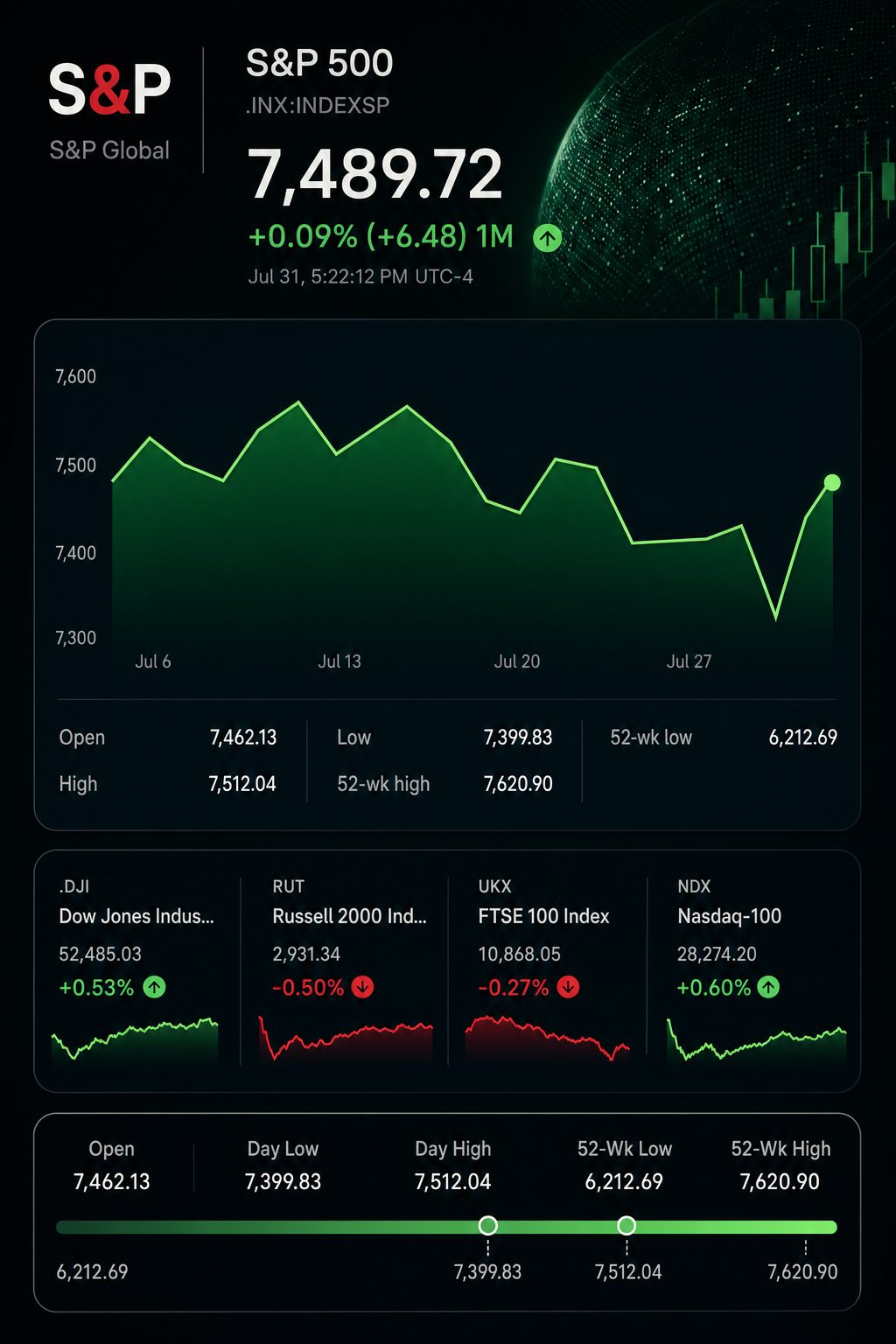
U.S. cash markets did not open on Sunday. The S&P 500 advanced 1.05% over the past week. VOO increased by 1.11%, and Berkshire Hathaway NYSE:BRK.B was up 3.36%.
| Security | Friday close | Friday move | Weekly move |
|---|---|---|---|
| S&P 500 | 7,489.72 | up 0.70% | up 1.05% |
| Vanguard S&P 500 ETF NYSEARCA:VOO | $686.65 | up 0.71% | up 1.11% |
| Berkshire Hathaway NYSE:BRK.B | $511.54 | added 0.36% | up 3.36% |
Weekly comparisons reflect closing values from July 31 and July 24.
Buffett outlined this principle in Berkshire’s 2013 letter to shareholders. “A low-cost S&P 500 index fund will achieve this goal,” he stated. His directions for trustees allocated 90% to a very low-cost S&P fund. Berkshire Hathaway
The letter referenced Vanguard, though it did not mention a specific ETF ticker. In 2016, Buffett reiterated the broader message. He stated that low-cost index funds are suitable for all investors, regardless of size.
The distinction is important at this point. SPDR Portfolio S&P 500 ETF (NYSEARCA:SPYM) has an expense ratio of 0.02%. iShares Core S&P 500 ETF (NYSEARCA:IVV) is in line with VOO at 0.03%. SPDR S&P 500 ETF Trust NYSEARCA:SPY charges 0.0945%.
| Fund | Expense ratio | Annual fee on $1 million | Illustrative value after 30 years* |
|---|---|---|---|
| SPYM (NYSEARCA:SPYM) | 0.0200% | $200 | $10.007 million |
| VOO NYSEARCA:VOO | 0.0300% | $300 | $9.979 million |
| IVV (NYSEARCA:IVV) | 0.0300% | $300 | $9.979 million |
| SPY NYSEARCA:SPY | 0.0945% | $945 | $9.802 million |
Assumes a gross annual return of 8% and annual fees deducted. Does not include taxes, spreads, or tracking differences. These figures are for illustration purposes and not projections.
The 0.01 percentage point fee difference between SPYM and VOO results in an annual savings of $100 for each $1 million invested. Over 30 years, this difference grows to approximately $27,800. SPY’s higher expense ratio creates a gap of around $205,100 compared to SPYM.
Trading priorities may still influence the selection. On Friday, the SPY saw a dollar turnover of around $46.6 billion. VOO registered $5.3 billion, IVV had $3.7 billion and SPYM posted $0.9 billion. Short-term traders might prioritize that liquidity, while longer-term investors focus on the ongoing fees.
The holdings of the funds are more important than the fees. S&P 500 funds use float-adjusted market value weighting, so the biggest positions account for a larger portion of the investment.
| Exposure | S&P 500 weight on July 30 |
|---|---|
| Apple NASDAQ:AAPL | 7.66% |
| NVIDIA NASDAQ:NVDA | 7.39% |
| Microsoft NASDAQ:MSFT | 5.24% |
| Combined top three | 20.29% |
| Information technology group | 37.22% |
Apple shares dropped 7.4% on Friday, whereas Amazon.com NASDAQ:AMZN surged over 15%. The S&P 500 advanced 0.70%. However, decliners outpaced advancers by a ratio of 1.3-to-one.
Buffett’s argument for passive investing continues to be backed by significant historical evidence. In 2025, 79% of large-cap U.S. active funds trailed the S&P 500. Across a 15-year period, the percentage of underperforming funds climbed to 89.93%.
The benchmark remains expensive, with Friday’s trading at close to 20 times forecast earnings. According to LSEG data, the 10-year average stood at 19 times.
The key event ahead is Friday’s report on July employment. According to a Reuters survey, 83,000 jobs are forecast to be added with unemployment projected at 4.3%. Over a quarter of S&P 500 firms are due to release results as well.
Jim Baird, chief investment officer at Plante Moran Financial Advisors, anticipates “more volatility around key economic releases” as the Federal Reserve reduces its guidance. Reuters
| Window | Catalyst | Current measure | Investor channel |
|---|---|---|---|
| August 3–7 | Second-quarter earnings | Over 25% of S&P 500 firms report | Assesses profit breadth |
| August 7 | July payrolls | 83,000 jobs; 4.3% unemployment | Rates and valuations |
Risks: Elevated oil prices and Treasury yields may weigh on valuations. A decline in megacap stocks can rapidly affect cap-weighted funds. Expense ratios are subject to change, and compounding estimates are not projections.
Buffett’s advice is still unchanged. The most affordable wrapper is different now. For investors with a long-term outlook, focus and discipline are now more important than which fund name is on the product.