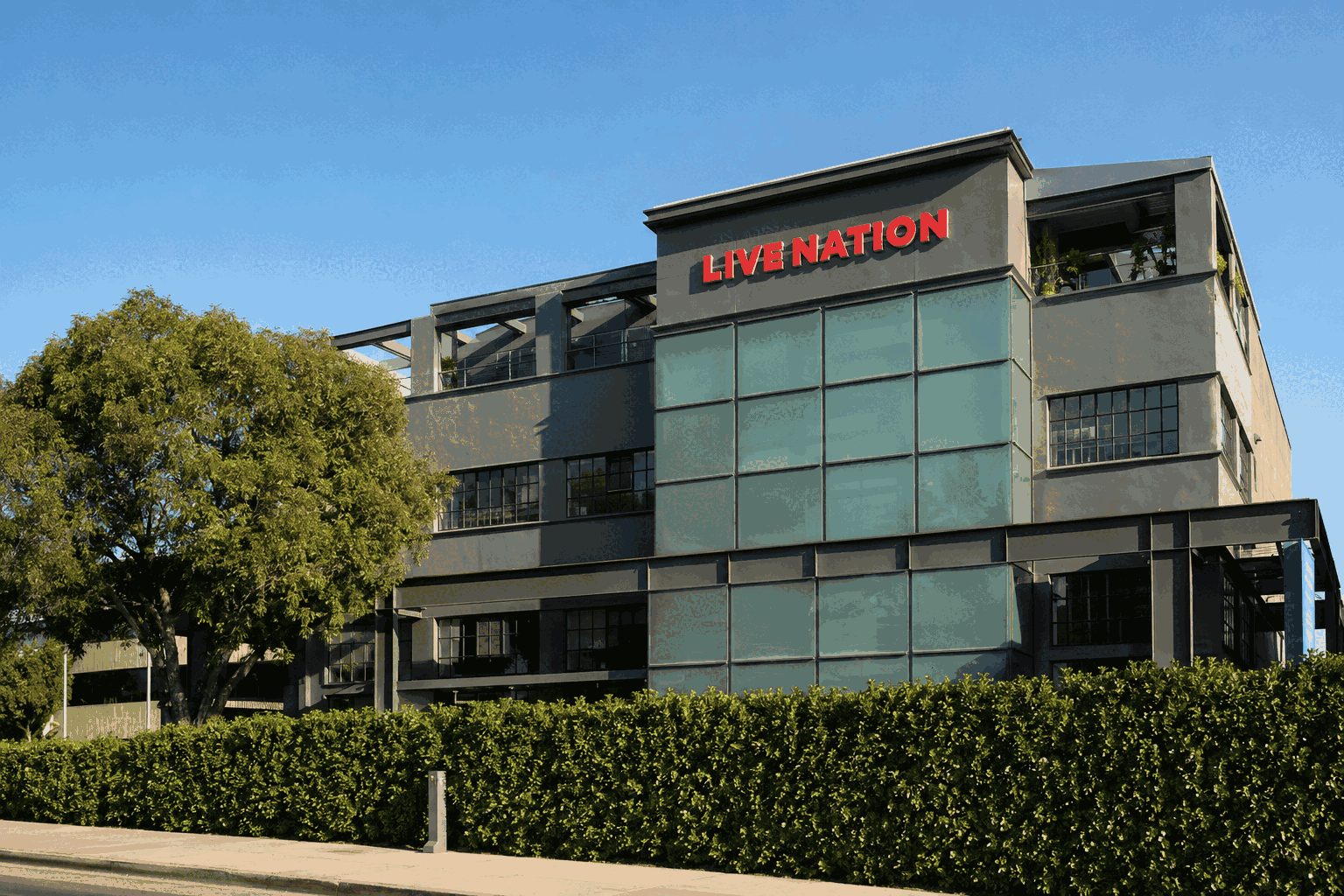

NEW YORK, August 14, 2026, 11:25 EDT – Live Nation shares traded close to record levels after efforts to impose a ticket-resale cap in California were put on hold.
- California’s proposal for a 10% ticket-resale limit was halted in a Senate fiscal committee on August 13.
- A scaled-back anti-speculation measure moved forward to a full Senate vote with unanimous support.
- Ticketmaster accounted for 40.5% of Live Nation’s adjusted operating income in the second quarter.
California legislators delivered a mixed outcome for Live Nation Entertainment NYSE:LYV on Thursday. The Senate Appropriations Committee decided not to advance a proposed 10% cap on resale prices, keeping it under consideration. Meanwhile, a different measure aimed at tickets sold before sellers have them cleared its latest hurdle.
The result of the split is more favorable for Live Nation than widely discussed online. The halted proposal was the more significant risk to resale prices. Nevertheless, the bill that is moving forward may still increase compliance expenses throughout Ticketmaster’s platform.
The difference is significant as Ticketmaster generates substantial profit. Ticketing made up only 11.1% of total group revenue last quarter. However, it accounted for 40.5% of combined adjusted operating income, according to company data.
| California measure | Main provision | August 13 action | Near-term investor read |
|---|---|---|---|
| AB 1720 | Limits qualifying resale and marketplace fees to no more than 10% above the initial price | Kept under submission | Broad risk of price caps diminishes |
| AB 1349 | Prohibits speculative listings and enhances anti-circumvention safeguards | Moved forward with a 7-0 vote; set for third reading | Some compliance-related risk remains |
The most recent version of AB 1720 is more limited than initially proposed. The legislation sets a cap for events held at independent venues, demands original ticket price disclosure, and limits fees on resale marketplaces. The bill officially remains active but is currently stalled in committee.
AB 1349 is now in the Senate’s floor process. The bill prohibits sellers from listing tickets they do not own or are not authorized to sell. Platforms are required to implement reasonable measures to block such listings. The measure also addresses bots, deceptive affiliation, and false scarcity promotions.
| Q2 2026 segment | Revenue | Adjusted operating income | AOI margin |
|---|---|---|---|
| Concerts | $6.44 billion | $309.6 million | 4.8% |
| Ticketing | $852.2 million | $331.0 million | 38.8% |
| Sponsorship and advertising | $383.0 million | $256.9 million | 67.1% |
| Consolidated | $7.67 billion | $817.0 million | 10.7% |
Ticketmaster’s large scale provides some protection. The company sold 90 million tickets with fees in the quarter, rising 8%. Secondary volume in North America remained unchanged. Executives stated that this segment made up a low-double-digit percentage of gross transaction value.
Live Nation backs the two California bills. Opponents claim the proposals may strengthen the main seller and undermine independent resale platforms. Assemblymember Matt Haney disagrees, highlighting Ticketmaster’s participation in the resale market.
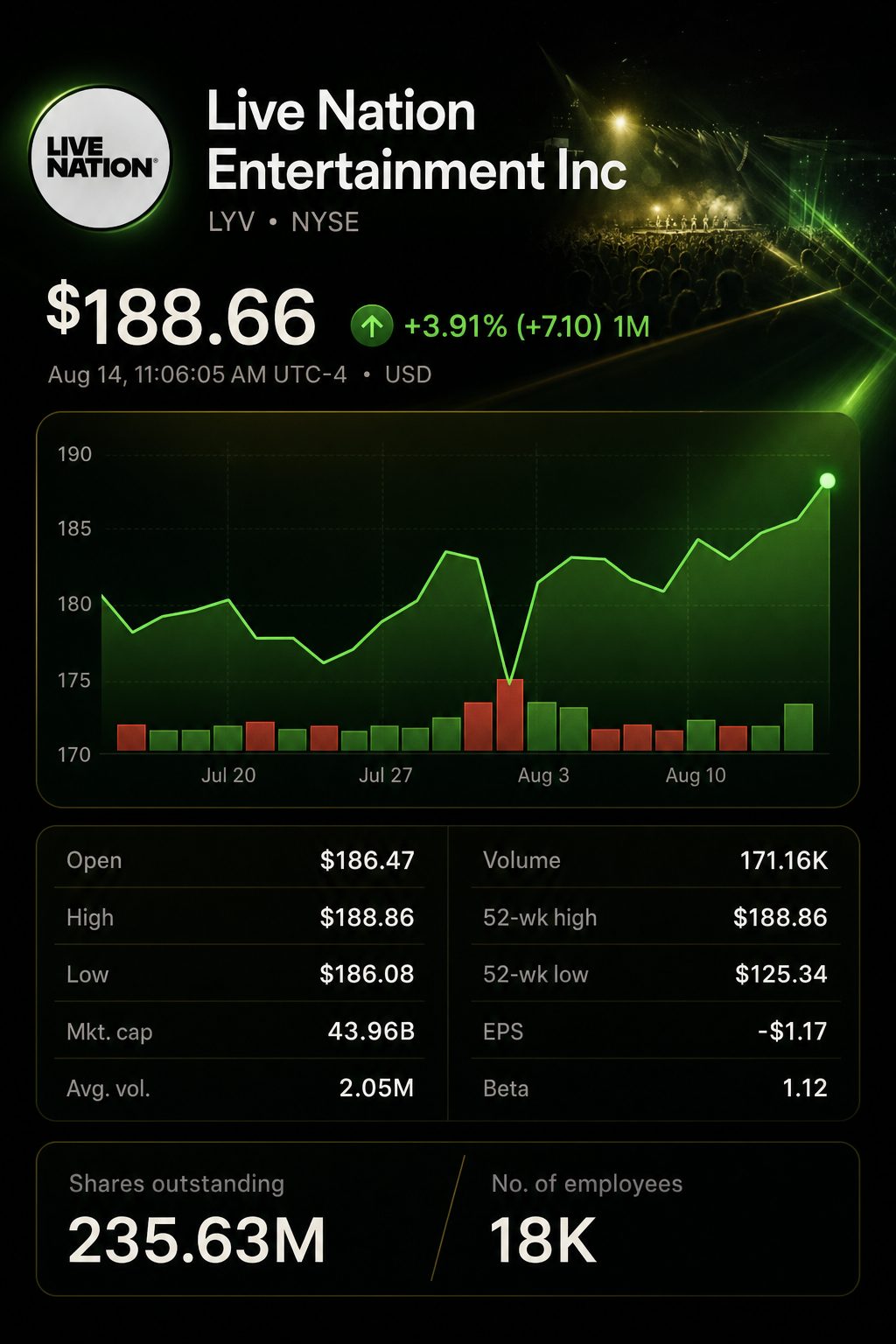
Investors are already distinguishing between the solid demand for primary tickets and the uncertainties in the resale market. Live Nation finished Thursday at $186.06, gaining 0.4% after hitting a record high of $188.10. StubHub Holdings NYSE:STUB, however, dropped sharply as increased quarterly expenses wiped out most of its profit, even as revenue climbed 33%.
| Analyst | Firm | Recommendation | Target | Upside to $186.06 |
|---|---|---|---|---|
| Steven Cahall | Wells Fargo | Buy | $222 | 19.3% |
| Curry Baker | Guggenheim | Buy | $218 | 17.2% |
| Jason Bazinet | Citi | Buy | $212 | 13.9% |
| Joseph Stauff | Susquehanna | Hold | $187 | 0.5% |
Analysts maintain an upbeat outlook, but the stock is trading close to the lowest target in coverage. According to Google Finance, out of 17 analysts, 16 recommend buying, one rates it a hold, and there are no sell ratings. The consensus price target stands at $207.82.
Operational momentum backs this view. Revenue for the second quarter increased 9% to $7.67 billion. Ticketing revenue was up 15%, and adjusted operating income gained 14%. Chief Executive Michael Rapino said “fans keep choosing to be in the room.”
The next step for AB 1349 is a Senate floor vote. California lawmakers face an August 31 deadline for bills to clear both chambers. Changes to the bill during this process could still alter how ticket marketplaces are affected.
Risks: AB 1720 may be brought back or proposed again. More extensive antitrust actions at the federal and state levels continue to pose significant valuation risks. Robust demand for tickets could also diminish if consumer spending declines.
Currently, the data suggest the issue is more limited in scope. California’s main effort at resale-price regulation has been halted. The remaining legislation targets behavior in the market, rather than focusing on the primary-ticket pricing model used by Ticketmaster.