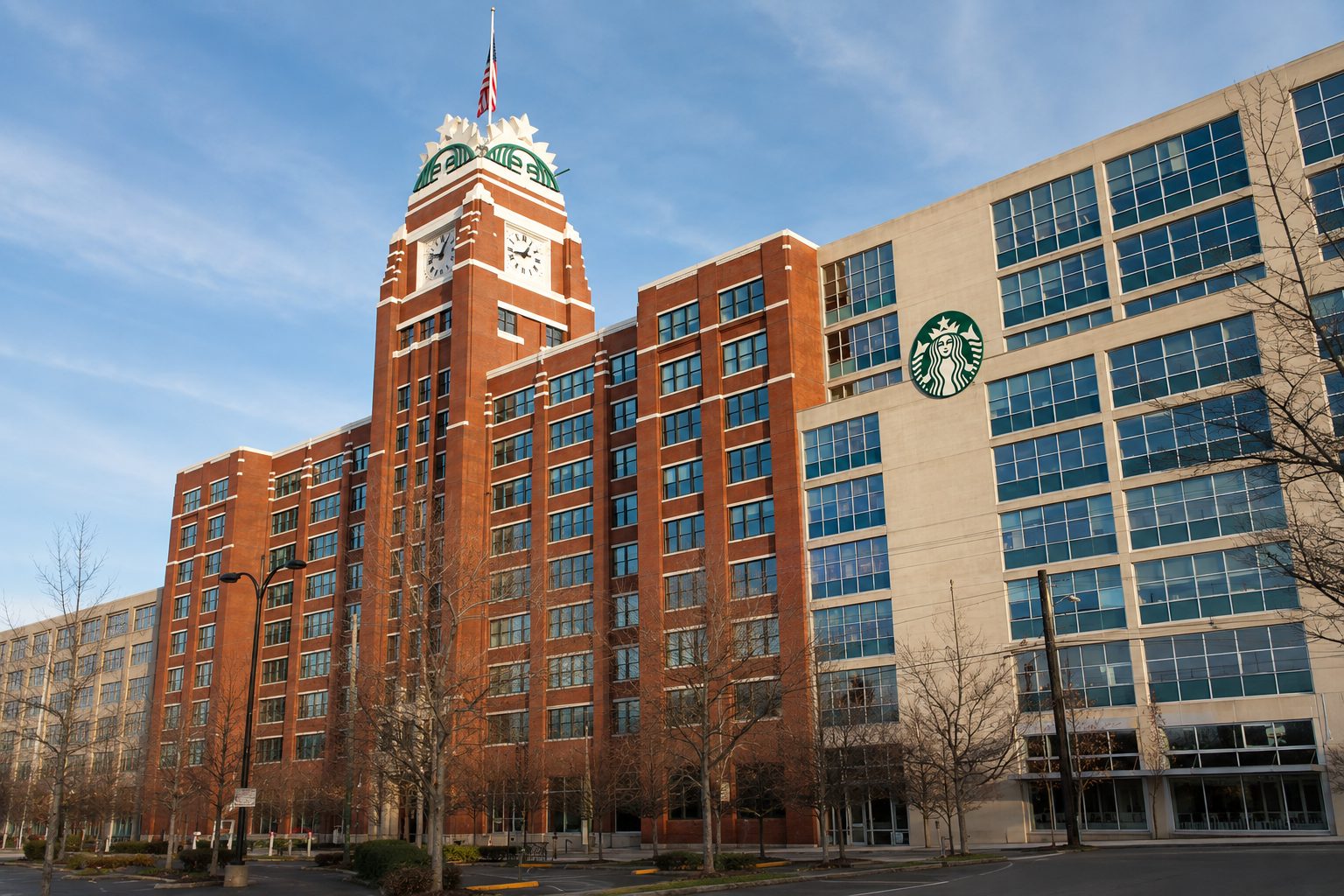

SEATTLE, August 20, 2026, 15:05 PDT — Starbucks has initiated layoffs in a move tied to its ongoing $2 billion turnaround effort, as the coffee chain works to streamline operations and reduce expenses.
- Starbucks will cut at least 224 corporate positions across two business units.
- The cuts are part of a strategy aiming for over $2 billion in savings by fiscal 2028.
- Shares ended the session down roughly 0.9% as the wider U.S. market pulled back.
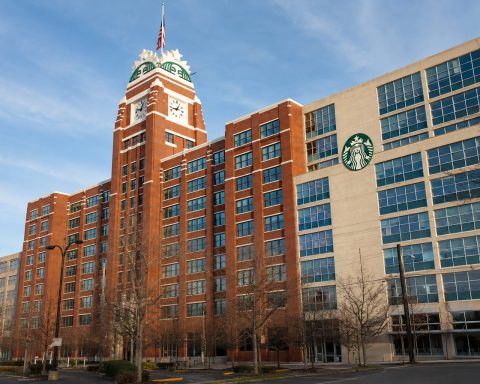
Starbucks Corporation NASDAQ:SBUX will eliminate at least 224 corporate positions, marking a new stage in Chief Executive Brian Niccol’s ongoing cost-cutting plan. Around 120 technology staff opted not to relocate to Nashville. An additional 104 store design and development roles are being eliminated.
The key issue for investors is not whether the movement of 224 jobs will have a significant impact on earnings. By themselves, they will not. Rather, the important indication is if streamlining the company can support store staffing without undoing recent improvements in margins.
| Restructuring step | Roles affected | Operational purpose |
|---|---|---|
| Relocation of technology positions underway | About 120 | Centralize operations in Nashville |
| Ongoing design and development layoffs | 104 | Optimize support operations |
| U.S. corporate reductions set for May 2026 | 300 | Shut regional sites and cut administrative expenses |
| Support staff reductions previously in 2025 | About 2,000 | Simplify management and exit less profitable areas |
The most recent round represents 11.2% of the 2,000 positions Starbucks plans to create in Nashville. This figure points to a move rather than a scaling back of its U.S. expansion. Starbucks has pledged $100 million to the Nashville office over a five-year period.
Stronger proof is found in the quarterly expense details. General and administrative expenses in the third quarter dropped by $78.4 million compared to the same period a year before. At the same time, restructuring and impairment charges increased by $281.8 million. That figure is 3.6 times larger than the drop in G&A costs.
| Fiscal Q3 metric | 2026 | 2025 | Change |
|---|---|---|---|
| Consolidated revenue | $9.323 billion | $9.456 billion | -1.4% |
| G&A expense | $598.8 million | $677.2 million | -11.6% |
| Restructuring and impairments | $302.6 million | $20.8 million | +$281.8 million |
| North America operating margin | 13.6% | 13.3% | up 30 basis points |
The timing is significant. Cash savings are realized over multiple quarters, whereas severance and property expenses are incurred earlier. As a result, comparing quarters directly can minimize the present costs and exaggerate the short-term benefits.
Store economics are getting better even with that challenge. Global comparable sales climbed 7.9%, driven by a 4.2% increase in transactions. Revenue in North America advanced 7%, while operating income was up 10%. Segment margin widened by 30 basis points.
Chief Financial Officer Cathy Smith stated that the company’s results demonstrated “growing durability” in both sales and profit. She added that Starbucks was carrying out its turnaround with discipline. The company increased its fiscal 2026 adjusted earnings forecast to $2.55-$2.65 per share. Starbucks
| Analyst view | Recommendation | Target | Upside from about $103.99 |
|---|---|---|---|
| Morgan Stanley, July 30 | Overweight | $115 | 10.6% |
| RBC Capital, July 30 | Sector Perform | $115 | 10.6% |
| BTIG, July 31 | Buy | $115 | 10.6% |
| Consensus from 36 analysts | Buy | $112.23 on average | 7.9% |
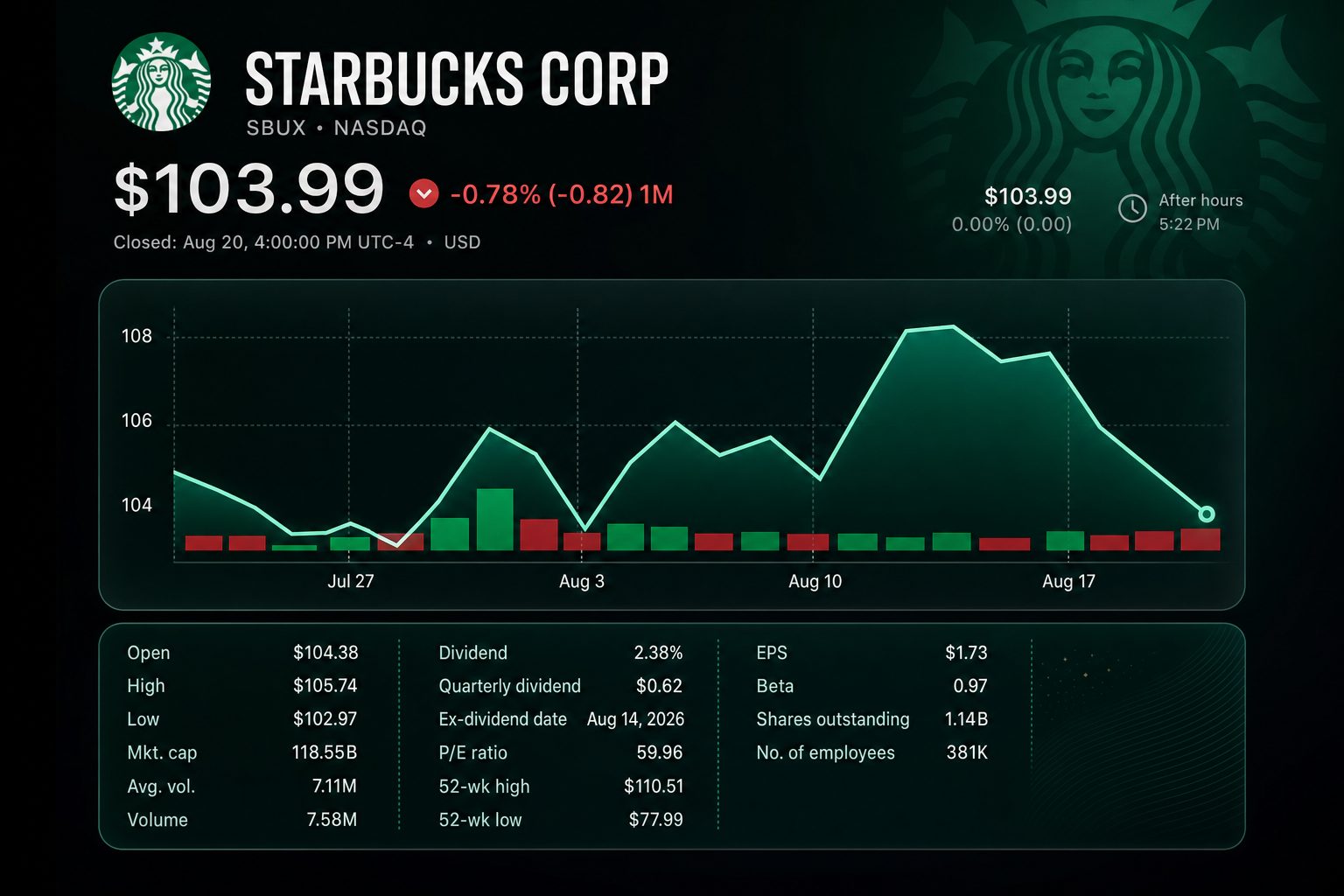
Starbucks ended trading at about $103.99 at 16:00 EDT, slipping roughly 0.94%. McDonald’s Corporation NYSE:MCD advanced 0.63%. Chipotle Mexican Grill, Inc. NYSE:CMG climbed 1.82%. The S&P 500 declined 0.87% and the Dow dropped 1.32%.
The stock slipped 0.94%, nearly matching the market’s 0.87% fall. The slight underperformance indicates investors viewed the layoffs mainly as an operational step, rather than interpreting them as a new signal of weaker demand.
The upcoming test concerns operating leverage. Starbucks forecasts an adjusted operating margin above 11% for the year. The company also anticipates U.S. comparable sales to rise a bit over 6%. Achieving both goals would indicate that increases in store staffing and reduced overhead are compatible.
Risks: Restructuring expenses may remain high, and moving operations might result in a loss of institutional expertise. Increased coffee prices, tariffs, and spending on store labor could offset cost reductions. Softer consumer demand could also pressure sales of premium drinks.
For investors, layoffs serve as a secondary signal rather than the main argument. Greater importance is placed on traffic rebound and North American margin improvement. The $2 billion plan is seen as plausible only if both metrics continue to advance simultaneously.
Related articles: NASDAQ:SBUX