
NEW YORK, August 25, 2026, 13:27 EDT — RUM Group stock advanced 12% after the company disclosed a $13.7 billion GPU transaction, which includes a warrant offering holders the right to purchase 50.8 million shares.
- RUM stock climbed 11.97% to $10.48 during Tuesday’s regular trading session.
- The six-year agreement for GPU services includes approximately $13.7 billion in total orders.
- The client is eligible to receive warrants for 50.81 million shares, priced at $0.01 apiece.
- RUM states the project does not yet have funding and could need debt or equity financing.
Shares of RUM Group Inc. NASDAQ: RUM surged almost 12% on Tuesday. The stock gained as investors considered momentum from a $13.7 billion GPU-services deal, along with scrutiny over a sizeable customer warrant and an unfinanced data-center project.
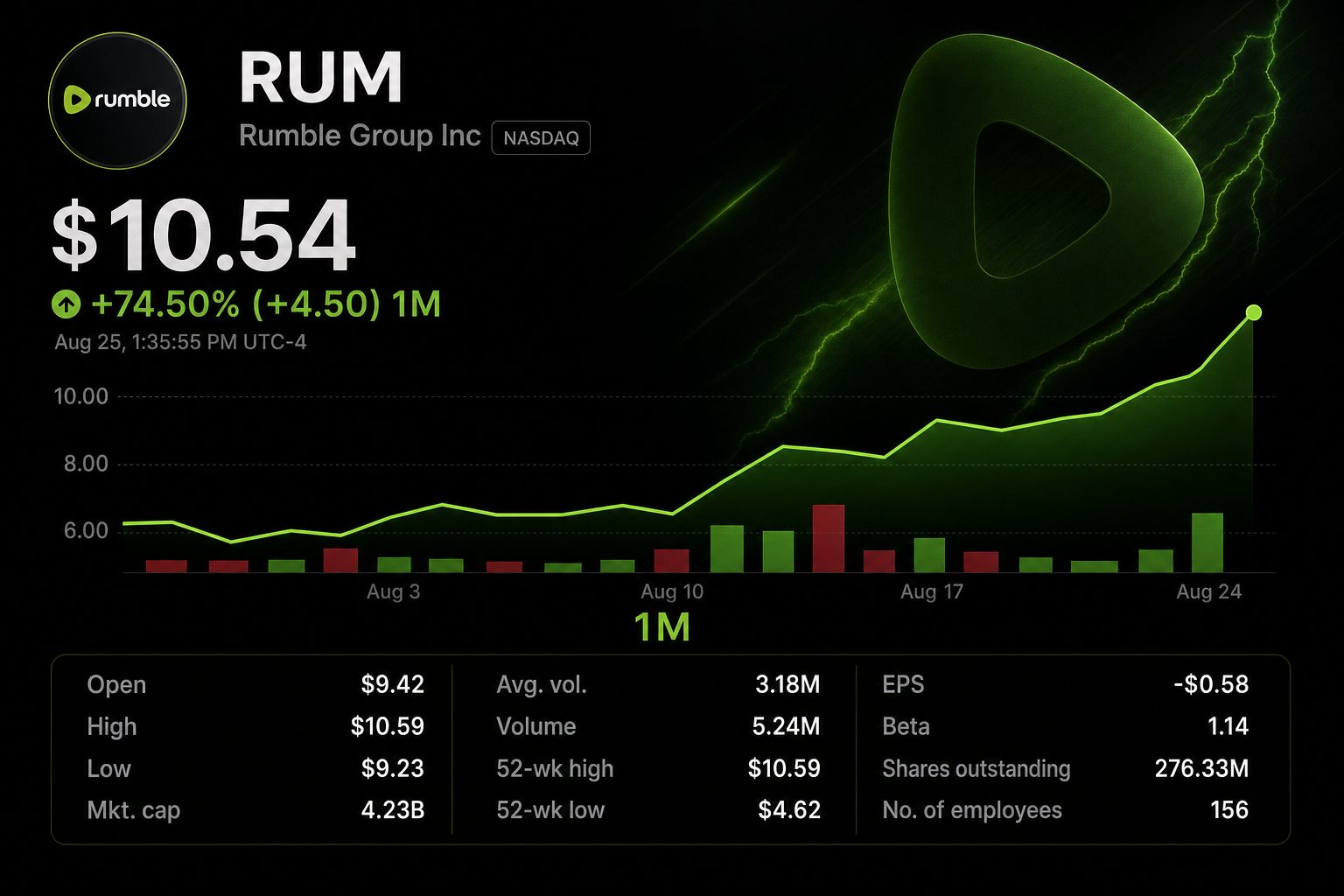
Shares changed hands at $10.48 as of 13:27 EDT, rising $1.12. Trading volume stood at 5.21 million shares, and the stock hit an all-time high of $10.57 in the session.
Investors are factoring in a significant increase in revenue. However, the agreement also passes considerable equity value to the unnamed customer while RUM remains obligated to fund the delivery.
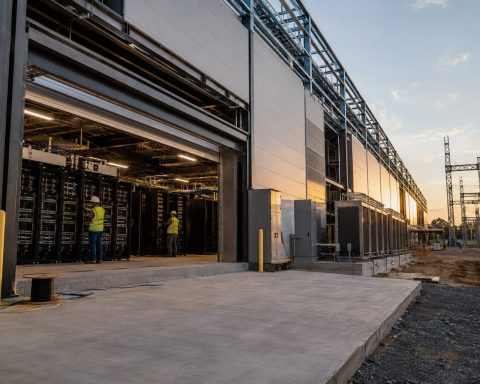
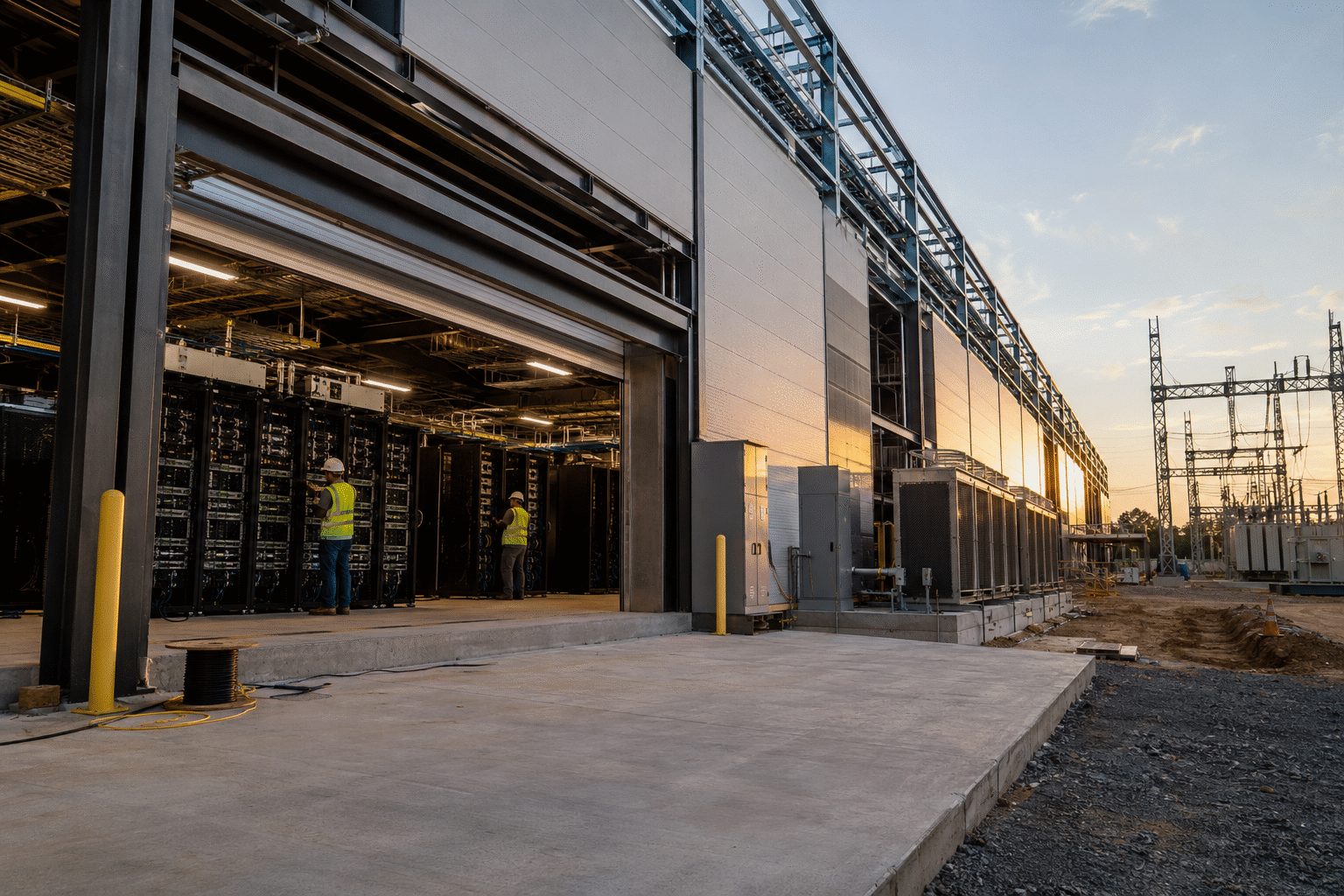
A subsidiary entered into the six-year contract on August 23. Under the deal, the client will purchase GPU access and services from RUM’s Maysville, Georgia facility in three equal portions. Completion of the third portion is subject to the client’s approval of RUM’s suggested delivery timeline.
The full contract represents roughly $2.28 billion in yearly revenue if distributed evenly. This equals 6.3 times the third-quarter revenue guidance midpoint of $360 million annualized for RUM. The comparison highlights the size of the deal, not its projected recognition timeline.
RUM posted second-quarter revenue of $40.4 million, marking a 61% increase from the same period last year. Northern Data added $10.1 million following its acquisition in June. Management expects third-quarter revenue between $87 million and $93 million.
| Broker / analyst | Latest action | Rating | Price target | Date |
|---|---|---|---|---|
| Maxim Group / Tom Forte | Reaffirmed | Buy | $22 | Aug. 19, 2026 |
| Oppenheimer / Jason Helfstein | Kept | Hold | Not published | Aug. 17, 2026 |
The customer warrant includes up to 50,808,408 Class A shares at a price of one cent per share. Vesting for half occurs through the initial three purchase tranches, while the remaining portion depends on new expansion deals for more GPU services.
The maximum corresponds to 12.7% of the 400.0 million Class A and Class C shares that were outstanding as of June 30. If all are exercised, it would account for 11.3% of the expanded economic share base. Class D shares provide voting rights only, with no economic entitlement.
The balance sheet also poses a limitation. At the end of June, RUM reported $203.3 million in cash and total liquidity of $220.5 million. Following the Northern Data transaction, the company had a $358.8 million convertible note payable.
RUM informed investors that it lacks financing at present for the necessary data center, GPUs, and associated hardware. The agreement does not include a financing contingency. Securing equity funding could result in further dilution for shareholders, while taking on debt would increase leverage and interest expenses.
Reuters said the company did not disclose the customer’s identity. The equity option is available to the customer incrementally as purchases are made.
Chief Executive Chris Pavlovski stated earlier this month that Quake AI’s current GPU infrastructure was operating at approximately 85% utilization. He described RUM as “uniquely positioned” to address growing AI-compute requirements. The latest deal will test if those needs can finance a significantly expanded build. RUM Group earnings release
Risks: The client’s identity is not public, and a third of the order is conditional on delivery-date acceptance. Delays in construction, challenges in securing GPUs, energy supply issues or costly financing may lower returns. Failing to meet key milestones may result in credits, discounts, or penalties.
The upcoming re-rating relies less on the overall order value. Investors require specifics on financing arrangements, timelines for delivery, and information on how revenues are recognized. These details will clarify how much of the contract’s proceeds will ultimately be returned to shareholders after accounting for capital expenditures and dilution.