
HOUSTON, April 29, 2026, 15:05 (CDT)
- Phillips 66 turned in an adjusted first-quarter profit, defying Wall Street’s predictions of a loss.
- Robust refining margins plus increased plant utilization helped counterbalance a sizable loss tied to hedging.
- U.S. refiners are cashing in on tight fuel markets, though they’re still exposed to the risk of high prices and unpredictable oil flows as the result lands.
Phillips 66 stunned the market with an unexpected first-quarter adjusted profit on Wednesday, pushing its stock up more than 6% by mid-day. The Houston refiner logged adjusted earnings at 49 cents per share, trouncing an average analyst forecast of a 40-cent loss, according to LSEG data cited by Reuters.
Timing is key here. Refiners along the U.S. Gulf Coast are seeing some of their fattest margins in years, as Middle East turmoil pushes up demand for American fuel exports. The 3-2-1 crack spread—a basic measure that pits gasoline and diesel prices against crude—jumped roughly 73% on average in the first quarter from a year ago.
Phillips 66 booked $207 million in net income for the first quarter, working out to 51 cents per share. On an adjusted basis, earnings came in at $200 million, or 49 cents a share. Chairman and CEO Mark Lashier pointed to the company’s integrated setup and balance sheet strength, saying these factors let Phillips 66 “navigate market volatility.” Phillips 66 Investors
Refining carried the quarter. Phillips 66 posted a realized refining margin of $10.11 per barrel, up sharply from $6.81 last year. The refining segment moved from a $937 million loss to an adjusted profit of $208 million.
Phillips 66’s refining capture rate ended up “much stronger than expected,” according to Raymond James analyst Justin Jenkins, who cited commercial moves, favorable product differentials, and inventory impacts. The company had previously flagged commodity swings as a risk to the quarter, but those worries eased after the update. Reuters
The headline beat masks some noise. Phillips 66 logged $839 million in mark-to-market losses on short derivatives—these are economic hedges meant to offset swings in prices. With mark-to-market accounting, the company revalues those hedge contracts at current market prices. That can show a loss on paper, even if the physical barrels behind them are actually gaining.
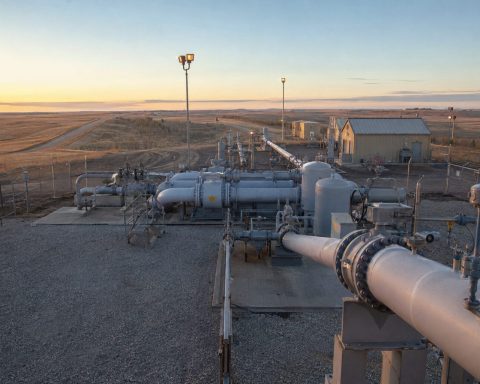
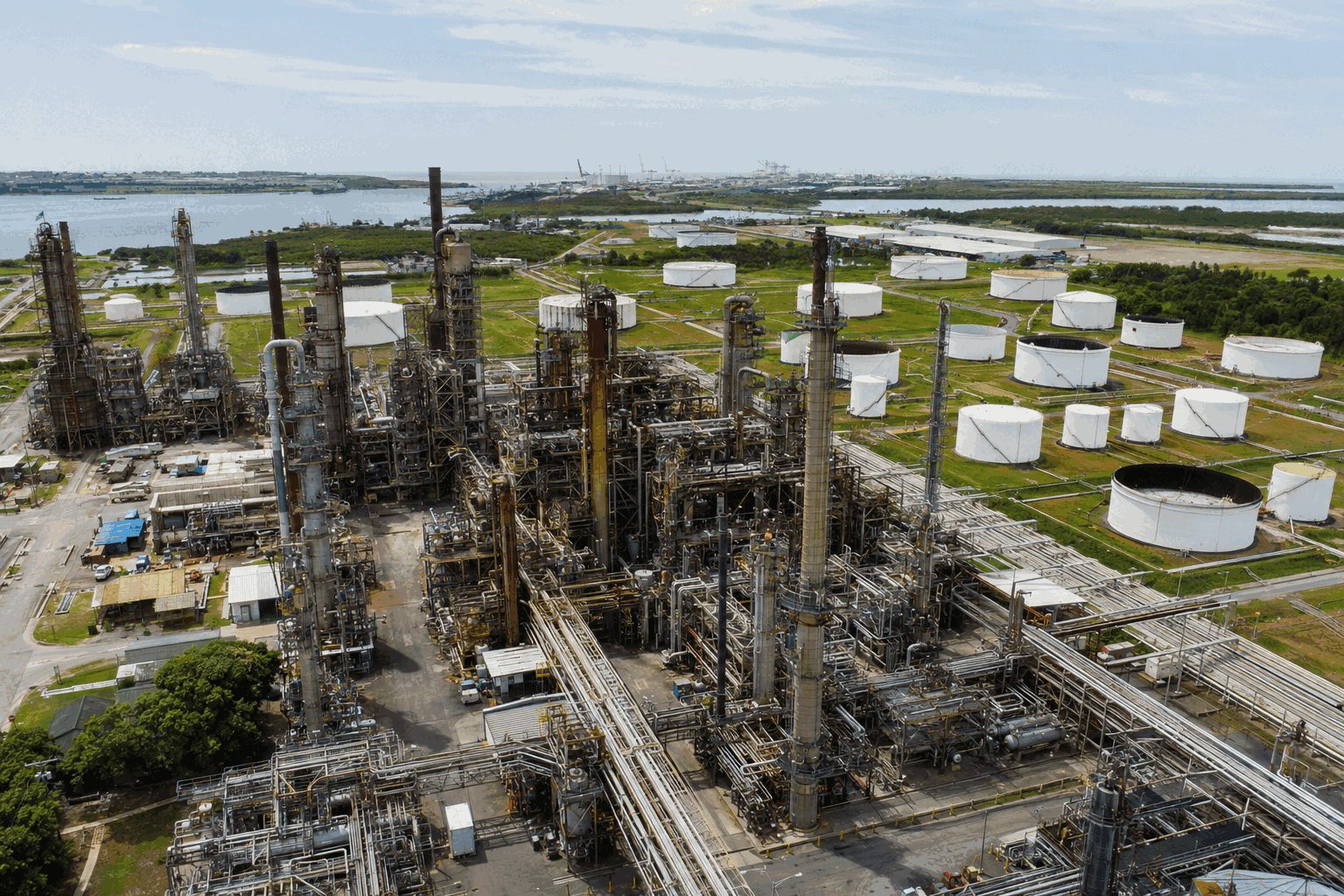
Operations got a lift. The company reported refining ran at 95% of crude capacity, with clean product yield at 87%. Sweeny’s fractionation capacity for natural gas liquids is now up 23%, and the Freeport LPG export dock can handle 15% more volume. Propane and butane are among these fuels and feedstocks.
Phillips 66 is pushing further into the UK. On Tuesday, its British arm announced it has wrapped up the purchase of Lindsey Oil Refinery assets and related infrastructure—following up on a deal signed in January. Some of those assets, the company said, will be used to bolster its Humber Refinery. Paul Fursey, UK lead executive, called the move a boost for “the UK’s fuel supply” and for strengthening the country’s energy infrastructure. Phillips 66 Investors
Phillips 66 now finds itself grouped with Valero Energy and Marathon Petroleum, both riding the same strong refining margins. Earlier this week, Reuters pointed out that shares of Valero, Phillips 66, and Marathon have jumped over 20% so far this year. Analysts are tracking whether those robust margins will keep showing up in the coming quarters.
There’s a catch: what’s good for refiners might end up hurting demand. On Tuesday, average U.S. gasoline prices hit $4.18 a gallon—the steepest level in almost four years—as supply tightened and unexpected refinery outages piled on. If pump prices stay elevated, drivers might start cutting back.
Phillips 66 execs struck an upbeat note. Brian Mandell, who oversees marketing and commercial operations, pointed to robust refinery activity and solid consumer demand. He also flagged that just 1% of the company’s crude supply is sourced from the Middle East. “We are in a very, very good position,” Mandell said. Reuters
Related articles: NYSE:PSX