
MOUNTAIN VIEW, California, August 27, 2026, 05:30 (EDT)
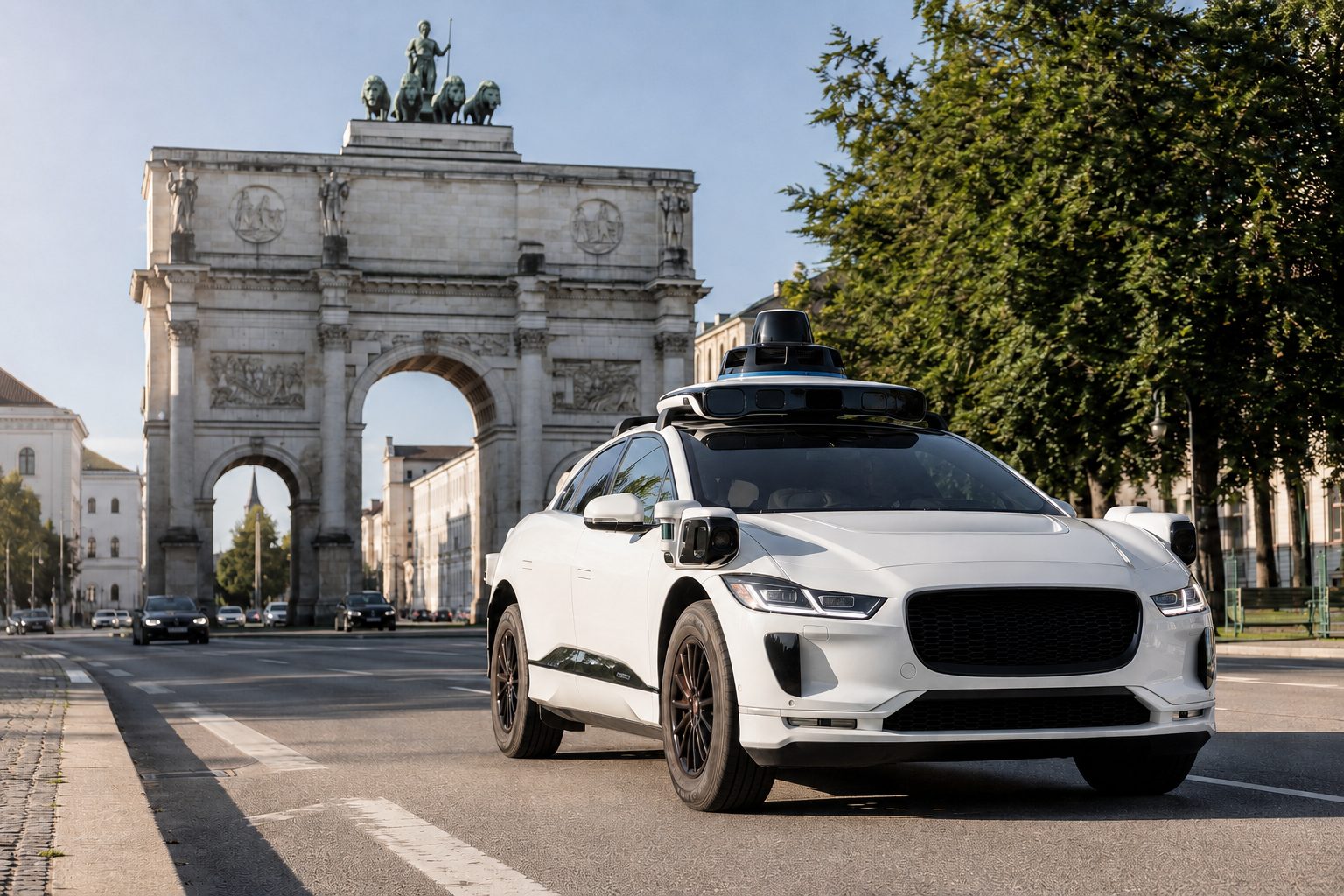
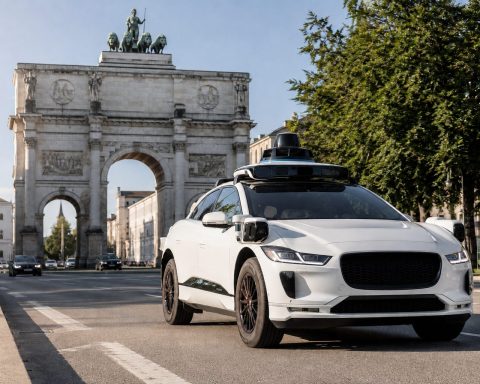
- Waymo aims to launch a commercial robotaxi operation in Munich by the end of 2027.
- GOOG ended the session down 1.2% and declined a further 0.5% ahead of Thursday’s market open.
- Other Bets revenue increased by 2.4%, as its operating loss expanded by 44.4%.
Waymo is set to start mapping Munich in the coming weeks as it prepares for a commercial rollout by late 2027. This marks Alphabet’s expansion of its robotaxi initiative outside its current 11 U.S. urban locations.
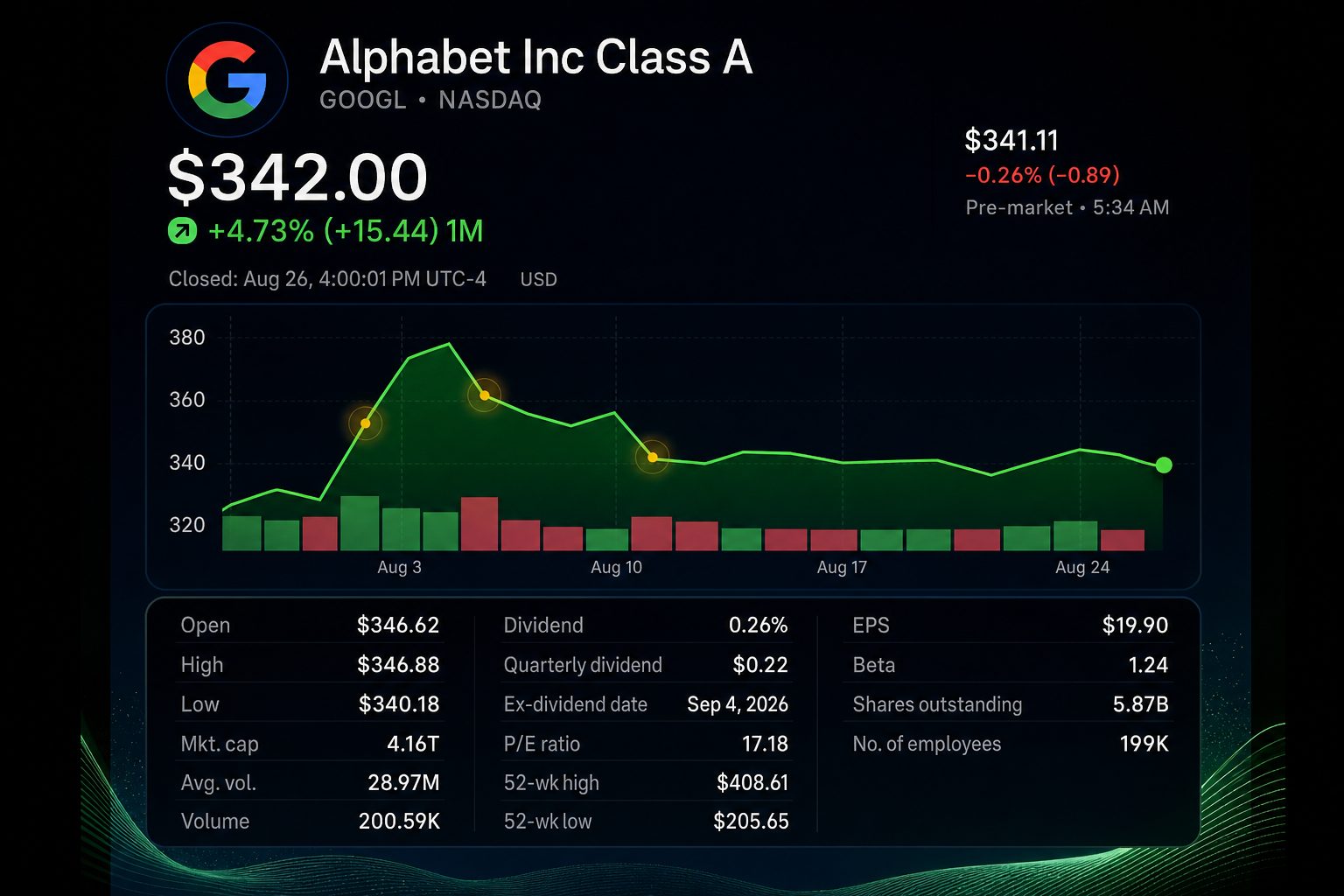
Alphabet Inc. (NASDAQ: GOOG) shares finished 1.2% lower at $339.10 on Wednesday. In premarket trading early Thursday at 05:30 EDT, they slipped further to $337.49, down 0.5%.
The drop is at odds with Google Trends’ present description stating that Alphabet shares were trading up. It also intensifies the question for investors: how long can Waymo support growth before its revenue narrows the losses?
Waymo has logged over 20 million rides and currently provides upwards of 500,000 commercial trips each week. Munich is set to be its initial German market, pending mapping, monitored trials and regulatory clearance.
Co-Chief Executive Tekedra Mawakana described Munich as “an important milestone in our global expansion.” The firm intends to set up local fleet operations and create skilled positions but did not share details about fleet numbers, pricing or investment allocation.
| Alphabet Other Bets | Q2 2025 | Q2 2026 | Change |
|---|---|---|---|
| Revenue | $373 million | $382 million | +2.4% |
| Operating loss | $1.246 billion | $1.799 billion | +44.4% |
| Operating loss / revenue | 3.34× | 4.71× | Deteriorated by 1.37× |
| Waymo operating reach | 11 U.S. locations; Munich aims for commercial launch by late 2027 | Debut in Germany | |
Other Bets generated $382 million in revenue for the second quarter, an increase of $9 million. Operating loss deepened by $553 million, reaching $1.799 billion. Alphabet attributed the investment to Waymo expansion.
The segment posted a loss of $4.71 for each dollar of revenue reported. This compares with $3.34 a year ago. The segment includes other businesses besides Waymo, so the specific margin for Waymo alone has not been disclosed.
Munich provides a regulatory edge. Germany currently allows Level 4 autonomous vehicles to operate in designated zones. However, public service will still need local validation and approvals ahead of the targeted 2027 launch.
The potential revenue is difficult to estimate. With an example fare of $18, 500,000 rides each week would generate an annual run rate of $468 million. This projection does not factor in discounts, operating expenses or partnerships.
With a market capitalisation of $4.15 trillion, Alphabet dwarfs Waymo financially. A 1.2% drop on Wednesday wiped out around $51.7 billion, exceeding Other Bets’ quarterly revenue by more than 135 times.
Wall Street sentiment toward the parent company is upbeat. According to Google Finance, there are 11 Buy ratings and one Hold. The consensus price target stands at $430.70, suggesting a 27% gain from Wednesday’s closing price.
Risks: Regulatory hurdles, mapping issues and fleet expenses add to uncertainty for Munich. Waymo has not provided details on launch economics. Broader losses may continue if vehicle, depot and support costs are not offset by utilization and pricing.
The next relevant data point is operational. Investors require information on fleet size, paid rides, and unit-level economics, rather than an additional city marker. Adding Munich broadens Waymo’s potential market but increases the need for evidence.
Related articles: NASDAQ:GOOG








![UK Stock Market Today 27/08/2026 [UPDATE: 09:59 BST] [FTSE Loss Deepens to 0.6% as Oil Majors Slide]](https://ts2.tech/wp-content/uploads/2026/08/UK-market-dashboard-2026-08-27-0959-480x384.jpg "UK Stock Market Today 27/08/2026 [UPDATE: 09:59 BST] [FTSE Loss Deepens to 0.6% as Oil Majors Slide]")