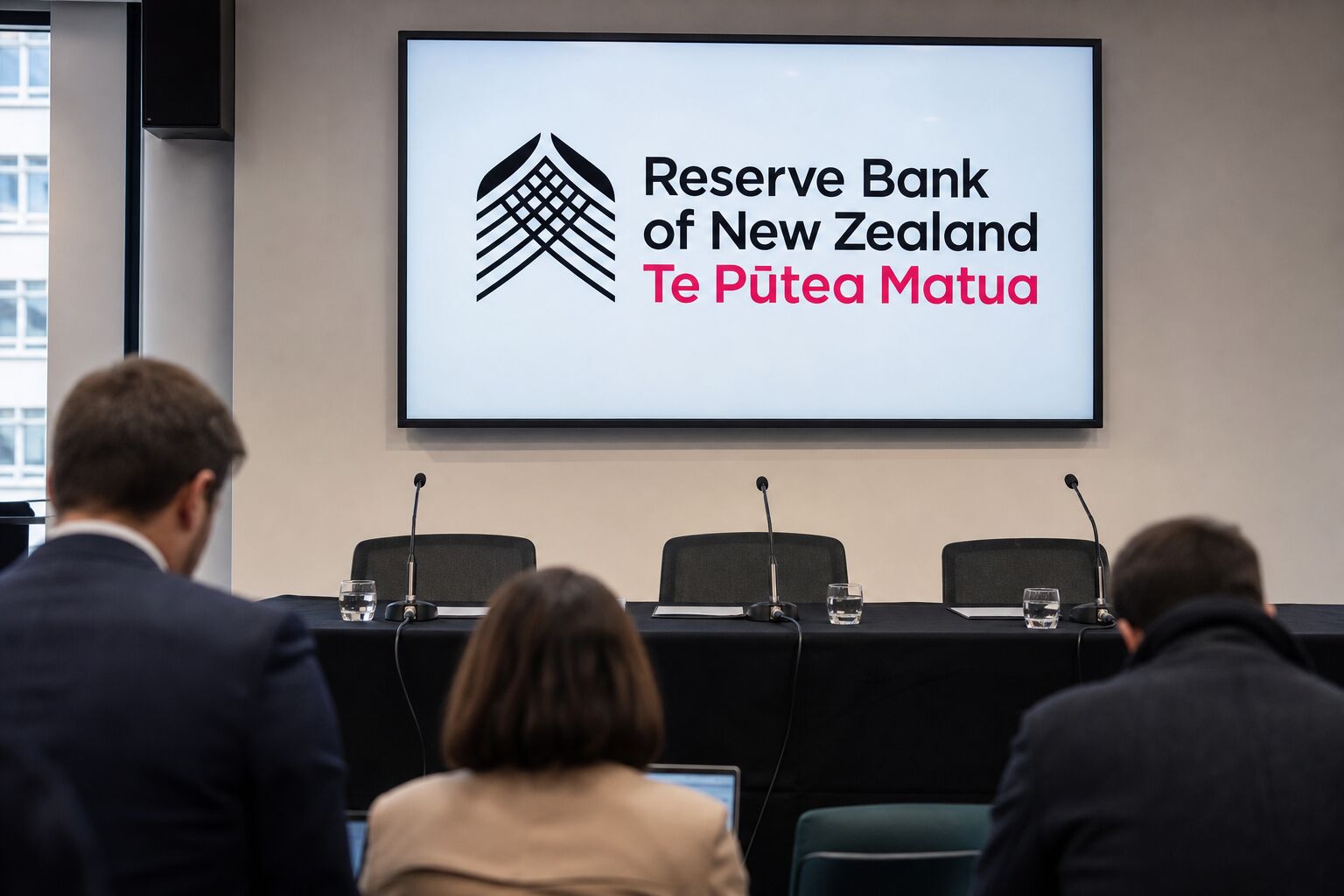

WELLINGTON, September 3, 2026, 05:30 (NZST) – The New Zealand dollar declined by 0.9% as the Reserve Bank of New Zealand projected an official cash rate track of 3.15%, falling short of market expectations.
- The RBNZ increased its official cash rate by 25 basis points to reach 2.75%.
- NZD/USD dropped 0.9% from its previous level ahead of the decision to 0.5844.
- The bank expects 3.15% by end-2027, undercutting the market’s approximate 3.5% peak forecast.
The New Zealand dollar slipped 0.9% following the central bank’s rate hike, changing hands at $0.5844 as of 05:22 NZST on Thursday. The previous five-minute reading ahead of Wednesday’s announcement was $0.5896 Yahoo Finance.
The decision was anticipated. The unexpected element was a modestly raised projected rate path. This discrepancy led traders to reverse positions on quicker tightening.
New Zealand’s cash markets were shut at the time of reporting. The currency remained active in offshore trading. Previously, two-year swaps had fallen by three basis points to 3.7001% following the statement Reuters.
NZ dollar repriced at the decision
U.S. dollars per New Zealand dollar; five-minute prints and latest quote
As of . Source: Yahoo Finance five-minute data. Decision time: RBNZ.
The Reserve Bank of New Zealand raised the OCR by 25 basis points, bringing it to 2.75% after a unanimous decision RBNZ statement. This marked the second rise in a row.
However, the bank forecasted just 2.81% for December. Its projections rise to 3.15% by the end of 2027. Reuters reported that traders had anticipated a peak of close to 3.5%.
RBNZ path stops short of market pricing
Official cash rate and projected levels; percent
Scale ends at 4%. RBNZ projections and pre-decision market pricing reported by Reuters on September 2, 2026.
Imre Speizer, New Zealand strategist at Westpac Banking Corporation ASX:WBC, described the decision as “a slightly dovish hike.” He calculated that no move was likely in October, with a rise expected in December.
Yields on longer-term bonds touched their highest levels in five months, following a global bond selloff. New fighting in the Gulf pushed oil prices higher, adding to inflation concerns.
Domestic financial conditions had become stricter before Wednesday. Increased wholesale rates pushed up both mortgage and business loan costs. The bank noted that the pass-through to deposit rates stayed relatively constrained.
Headline inflation climbed to 4.1% for the June quarter, largely driven by higher fuel prices. Stripping out vehicle fuels, inflation registered at 2.9%, within the 1%–3% target range.
Fuel separates headline from underlying pressure
Annual CPI measures and the policy target; June 2026 quarter
The target band is 1%–3%. Source: RBNZ September Monetary Policy Statement.
Four members of the committee noted inflation risks tilted to the upside compared to the central projection. Two assessed the risks as balanced. Unanimously, members agreed that subdued activity still posed a key risk.
Governor Anna Breman subsequently stated that no decisions had been finalised. The bank will review the effects of the two previous hikes Newstalk ZB. As a result, October 28 now stands as a possible move rather than a guaranteed increase.
A softer kiwi helps support export revenues in the domestic currency, but leads to higher prices for imports. Ahead of the OCR hitting its expected high, borrowers are already encountering elevated refinancing rates.
Risks: A fresh oil shock might prompt the bank to accelerate tightening beyond current forecasts. An early end to the cycle could result from sluggish employment, consumption, or housing prices. International selloffs may also mask signals from New Zealand bonds.
The upcoming CPI release is scheduled for October 22. The Reserve Bank of New Zealand follows with a policy meeting six days afterward decision calendar. In the interim, the kiwi gauges sentiment regarding the central bank’s steady approach.