
DEARBORN, Michigan, September 2, 2026, 13:20 EDT – Ford Motor Co (F.N) stock remained near $13.91 after the automaker reported a 10% year-on-year drop in sales, with an average vehicle price gain of $1,900 helping to cushion the fall.
- Ford reported a 10.3% decrease in its U.S. sales for August, with 170,681 vehicles sold.
- Retail market share increased, with average prices up $1,900 compared to a year ago.
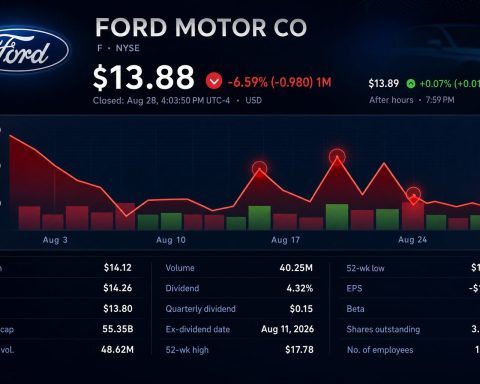
- Ford stock traded at $13.905 at 13:20 EDT, rising 0.47% after hitting $14.20 earlier.
Ford Motor Company NYSE:F stock was up slightly on Wednesday. The automaker reported a 10.3% decline in August U.S. sales, though gains were seen in retail share and pricing. Shares traded at $13.905 as of 13:20 EDT, rising 0.47% Yahoo Finance.
The split carries greater significance than the overall decrease. The decline was mainly caused by lower-margin rental and fleet sales. Ford’s retail share rose slightly, offering investors a clearer indication of consumer demand.
Ford shares gave back most of an early jump
NYSE price in U.S. dollars; previous close $13.84
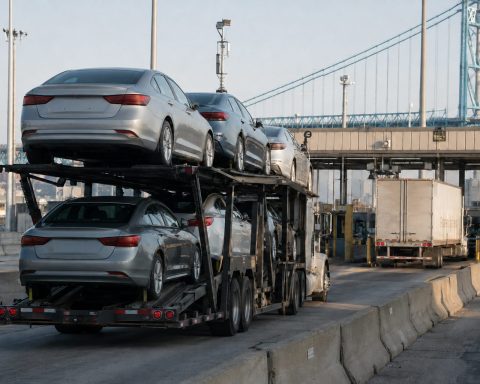
Ford reported sales of 170,681 vehicles for the month, a decrease compared to 190,206 previously. The broader U.S. market saw a drop of around 6%. The figures from last year had included Labor Day weekend The Detroit News.
The reported decline was accentuated by the calendar gap. Daily rental and commercial fleet volumes declined as well. Retail demand held up better, even with the discontinuation of the Escape and Lincoln Corsair.
Powertrain figures indicated the shift. Sales of combustion models declined by 4.6%, hybrids dropped 19.9%, and electric vehicle sales plunged 79.4%. Electric vehicles accounted for just 1.3% of total volume in August.
August volume stayed overwhelmingly combustion-led
Share of 170,681 U.S. deliveries, with year-over-year change
Truck sales slipped 0.9% to 104,496, holding relatively stable. SUV deliveries declined 23.3%, totaling 62,538. Passenger car numbers increased 12.7% to 3,647, with the Mustang as the top performer.
Pickup gains contrasted with the EV reset
Ford is replenishing F-Series stocks following an aluminum shortage. Dealers had inventories for under 40 days. Management aims for a supply range of 50 to 60 days, which is less than the prior standard of 70 to 80 days.
Average prices were $1,900 higher compared to the previous year, J.D. Power data reported by The Detroit News showed. Sales director Rob Kaffl stated that Ford was taking “bigger bets” in retail and connected this strategy to increased retail share.
Recent data backs up the margin argument. In the second quarter, Ford Blue’s wholesales dropped 8%, but revenue gained 1%. Adjusted EBIT was up $474 million, with margin expanding by 1.8 percentage points to reach 4.4% Ford filing.
In July, Ford increased its 2026 adjusted EBIT forecast to a range of $10 billion–$11 billion. The company also raised its adjusted free-cash-flow projection to $6 billion–$7 billion. The updated outlook is based on anticipated U.S. industry sales of 16.0 million–16.5 million vehicles.
Wall Street sentiment stays reserved. As of August 20, twenty-two analysts maintained a Hold consensus. Their mean price target of $15.75 suggested upside of approximately 13% versus Wednesday’s closing price S&P Global data via StockAnalysis.
Analyst opinion centers on Hold
Recommendation count among 22 analysts
The immediate challenge shifts to September restocking. Improved F-Series supply should boost volume, but cannot reduce the $1,900 price increase. Ford’s next projected earnings report is set for October 22 StockAnalysis.
Risks: Increased incentives may eliminate the retail mix advantage. An additional supply disruption could delay truck recovery. Deteriorating consumer credit or a resurgence in tariff expenses might weigh on guidance.
Related articles: NYSE:F