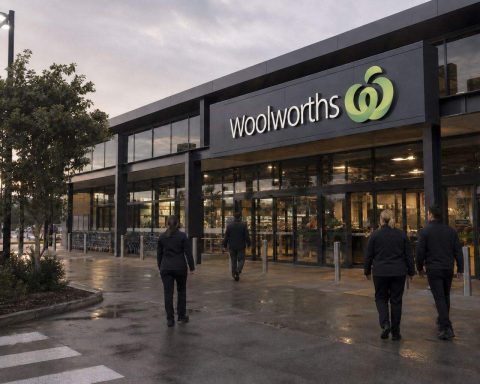

SYDNEY, September 3, 2026, 06:19 (AEST) – Woolworths’ 1.9% margin in the New Zealand market is set to come under scrutiny as up to 130 roles could be relocated to Sydney.
- Woolworths plans to relocate its New Zealand customer care operations to Sydney, putting approximately 130 positions in jeopardy.
- New Zealand Food posted an EBIT margin of 1.9% for fiscal 2026, compared to 5.5% reported by Australian Food.
- Shares ended the session at A$39.62 on September 2, rising 0.7%.
Woolworths Group Limited ASX:WOW is expanding its cost reset strategy to New Zealand, where food margins are significantly lower than in Australia. A new proposal impacting around 130 customer-care positions highlights the disparity.
The retailer is considering shutting down its New Zealand Customer Care Centre, shifting services to its group support team in Sydney. Employees have until September 15 to provide feedback, 1News reported.
The proposal is minor compared to overall group payroll. The financial indication is more pronounced. New Zealand Food recorded NZ$1.90 EBIT for every NZ$100 of revenue in fiscal 2026. Australian Food posted A$5.50.
Woolworths closes around A$40 after its results jump
ASX closes, Australian dollars per share
Woolworths ended Wednesday at A$39.62, gaining 0.7%. Shares were up 2.0% compared to the closing price on August 25, but stood 1.7% under Monday’s A$40.31 close, according to historical prices.
The valuation was updated by last week’s annual result. Group sales were up 3.6% at A$71.54 billion. EBIT, excluding significant items, rose 12.7%. Net profit on the same basis gained 15.4%, the company reported.
Fiscal 2026 profit grew faster than sales
Source: Woolworths Group F26 result, released August 26, 2026.
In New Zealand, the results were more subdued. Revenue increased by 2.5% to reach NZ$8.49 billion, with EBIT up 8.8% at NZ$163 million. However, EBIT for the second half declined 7.7% as the margin narrowed to 1.5%.
Gross margin was impacted by stock losses, price investment, and freight expenses. Sales were disrupted by the introduction of a new store operating model. Some of these pressures were countered by effective cost control.
New Zealand’s margin leaves less room for execution errors
Fiscal 2026 EBIT margin by trading segment
Scale: 0% to 6%. Source: Woolworths Group F26 result.
Woolworths stated that the Sydney integration may utilise group systems and scale. The company outlined its aim as building a “simpler, more sustainable New Zealand business.” The union says remote staff impacted by the move may face limited similar opportunities.
Group Chief Executive Amanda Bardwell outlined the broader objective simply. “These cost pressures challenge us to be even more efficient,” she stated in the annual result. Savings above store level totaled around A$400 million during fiscal 2026.
Sales in New Zealand rose by 4.2% in the first eight weeks of fiscal 2027. The outlook from management remains one of muted trading conditions. There are no company statements due this week. The next event on the shareholder calendar is a sales update set for October 28.
Risks: The proposal is still being reviewed. Savings have not been detailed and might be insignificant. Reduced support costs could be counteracted by service disruptions, increased wage demands, or lower customer satisfaction scores.
Investors are presented with a clear test. Earnings momentum has returned in Australia. New Zealand now needs to translate reduced overheads into improved service and stronger margins.
Related articles: Stock Market