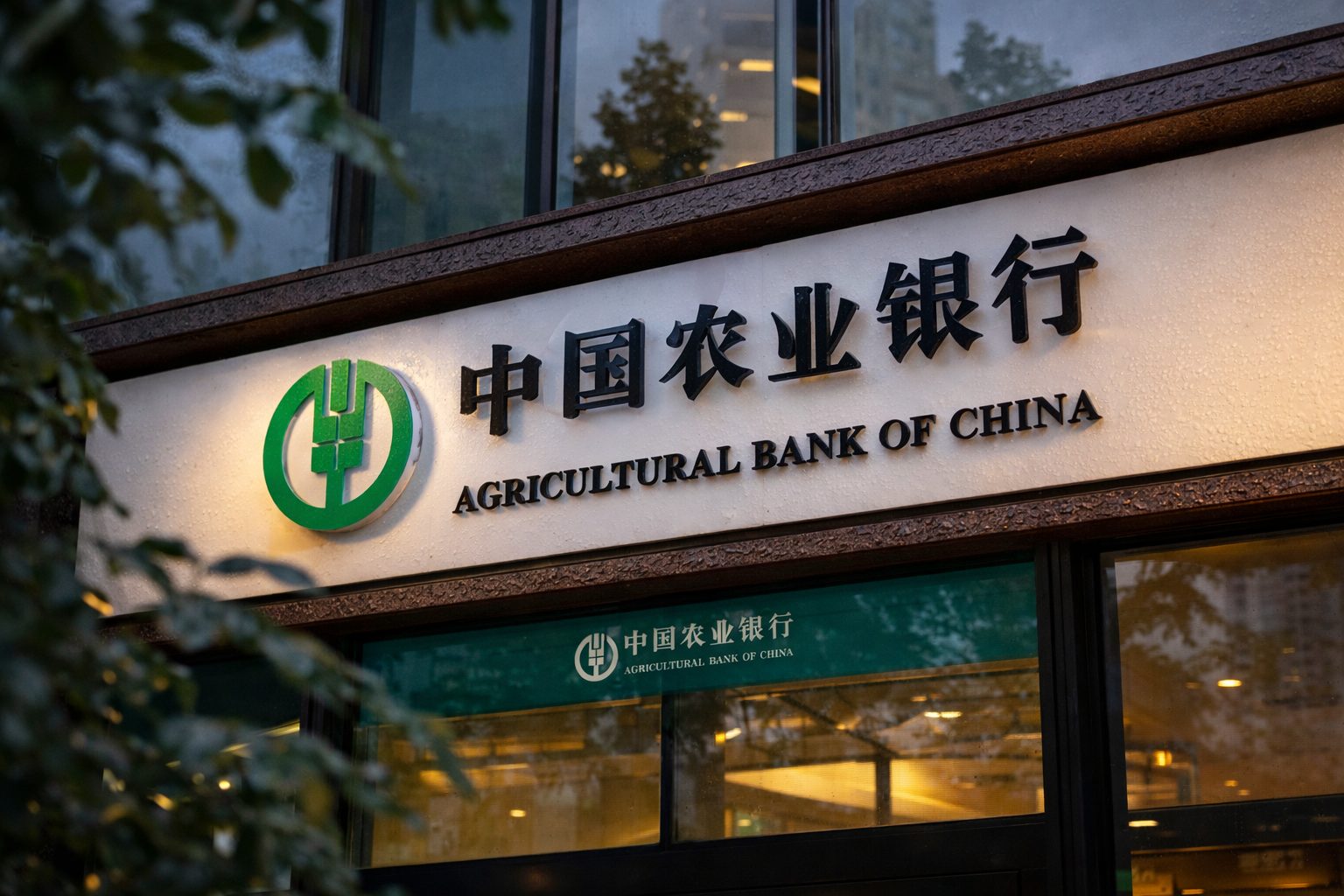
Shanghai, Feb 1, 2026, 00:37 GMT+8 — The market has closed.
- A shares of Agricultural Bank of China ended at 6.72 yuan, slipping 0.88%.
- The bank revealed a new board appointment, set to take effect once regulatory approval is secured.
- Monday’s session kicks off with new PMI figures showing weaker momentum and sparking more talk of easing.
Agricultural Bank of China Ltd’s Class A shares closed Friday at 6.72 yuan, slipping 0.88%. They’re set to resume trading Monday amid a fresh wave of disappointing China activity data weighing on investor mood. Shanghai Stock Exchange
Why it matters now: major state lenders such as Agricultural Bank frequently act as stand-ins for policy bets. When growth indicators falter, investors pivot fast—will Beijing ramp up stimulus, and how might that squeeze bank margins?
The bank flagged a governance update ahead of the weekend, while chatter around new capital tools for major firms has pushed the broader financial sector back into focus.
Agricultural Bank announced it secured approval from the National Financial Regulatory Administration for Zhang Hongwu to join as a non-executive director, with the appointment now in force. (Non-executive directors are board members who do not handle daily operations.)
Official data released Saturday showed China’s manufacturing PMI dropped to 49.3 in January, down from 50.1 in December, slipping below the crucial 50 mark that signals contraction. The non-manufacturing PMI, which tracks services and construction, also fell to 49.4, according to Reuters. Nomura’s chief China economist Ting Lu warned that Beijing will need to do “much more” in the months ahead to keep growth above 4.5% in 2026. Reuters
A Reuters poll released Friday indicated factory activity has hit a plateau. Mizuho Securities noted the late Lunar New Year may skew early-year data since factories tend to “front-load” production. The poll also highlighted a private-sector PMI report set for Feb. 2. Reuters
Bank stocks face a familiar tug-of-war. While more easing can boost loan demand and steady markets, it also pressures net interest margins—the gap between what banks earn on loans and what they pay on deposits.
Another key variable is the extent to which authorities bolster sections of the financial system. Bloomberg reported China may issue roughly 200 billion yuan ($28.8 billion) in special government bonds to recapitalise some of its top state-controlled insurers; Reuters said it couldn’t verify the report right away. Reuters
Downside risks remain. Should the slowdown extend beyond holiday season effects, weaker credit demand and fresh strain among property-linked borrowers might stoke worries over asset quality and provisioning at major lenders.
Agricultural Bank shares usually track alongside other “Big Four” state banks. Monday’s direction will probably hinge more on rate discussions, growth figures, and the main mainland market trends than on any company-specific news.
Traders are eyeing the private-sector PMI report due Feb. 2 as the next key indicator. They’re also on the lookout for any moves on reserve ratios or interest rates that could shift forecasts for bank profits in the coming weeks.