
New York, July 9, 2026, 11:01 (EDT)
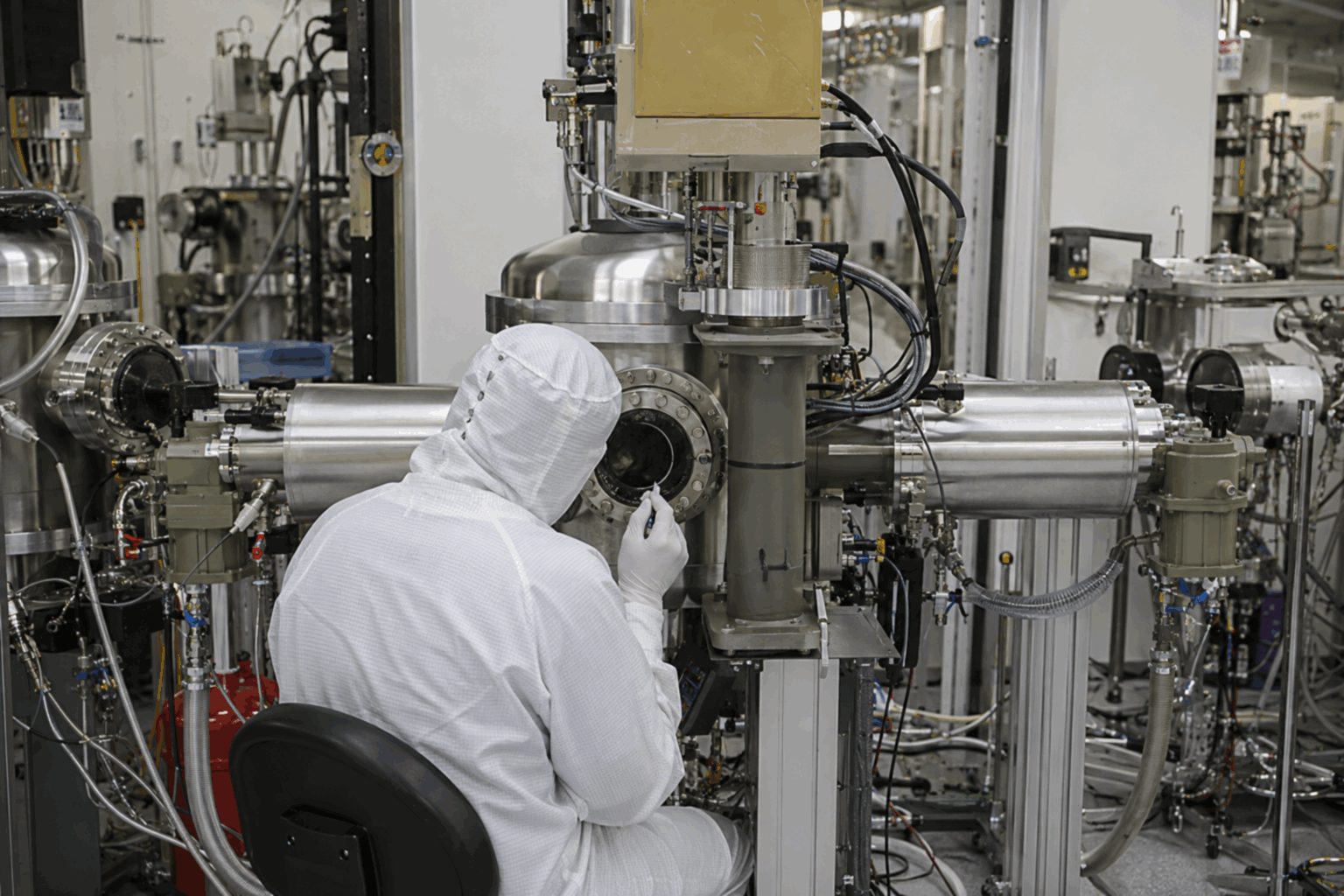
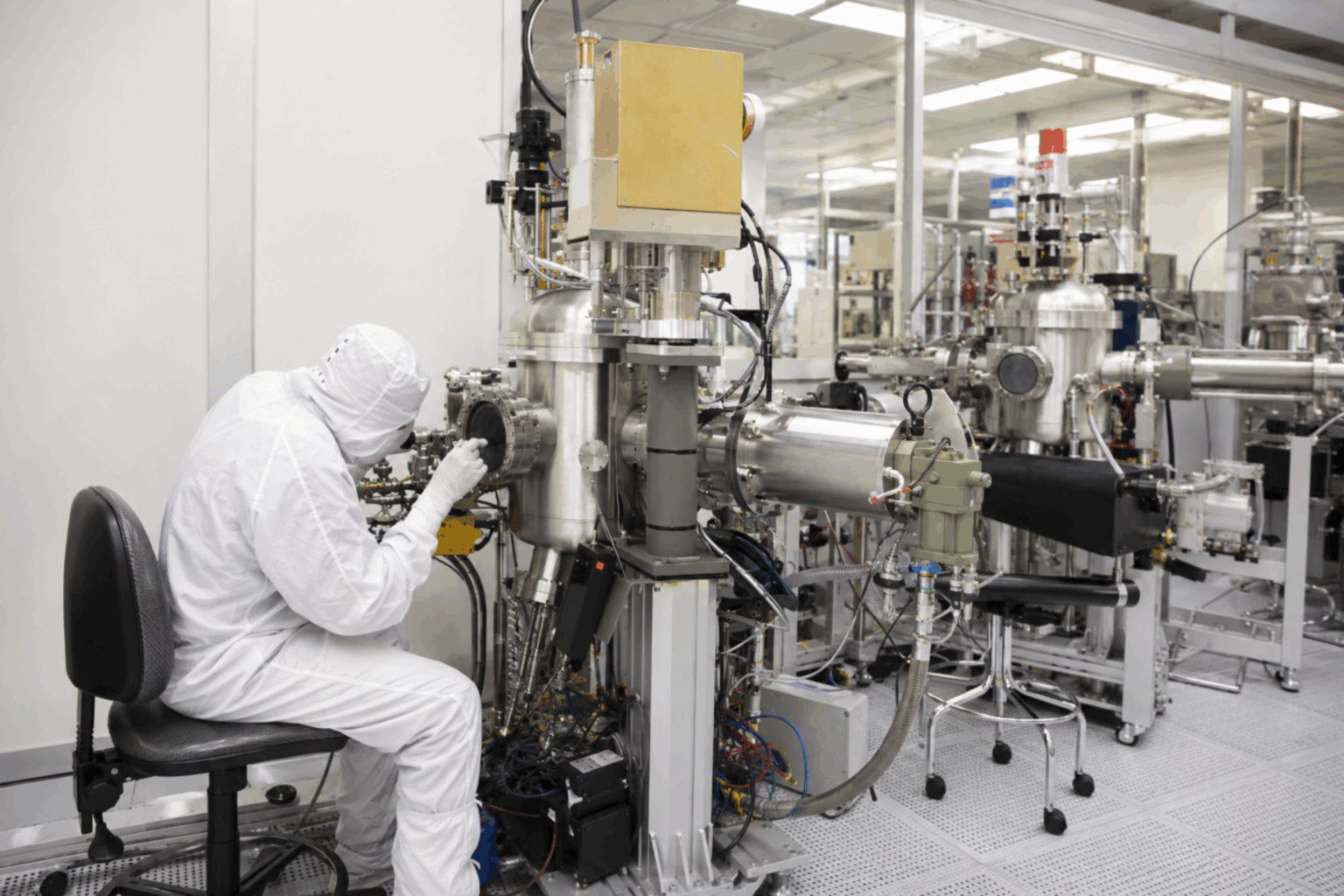
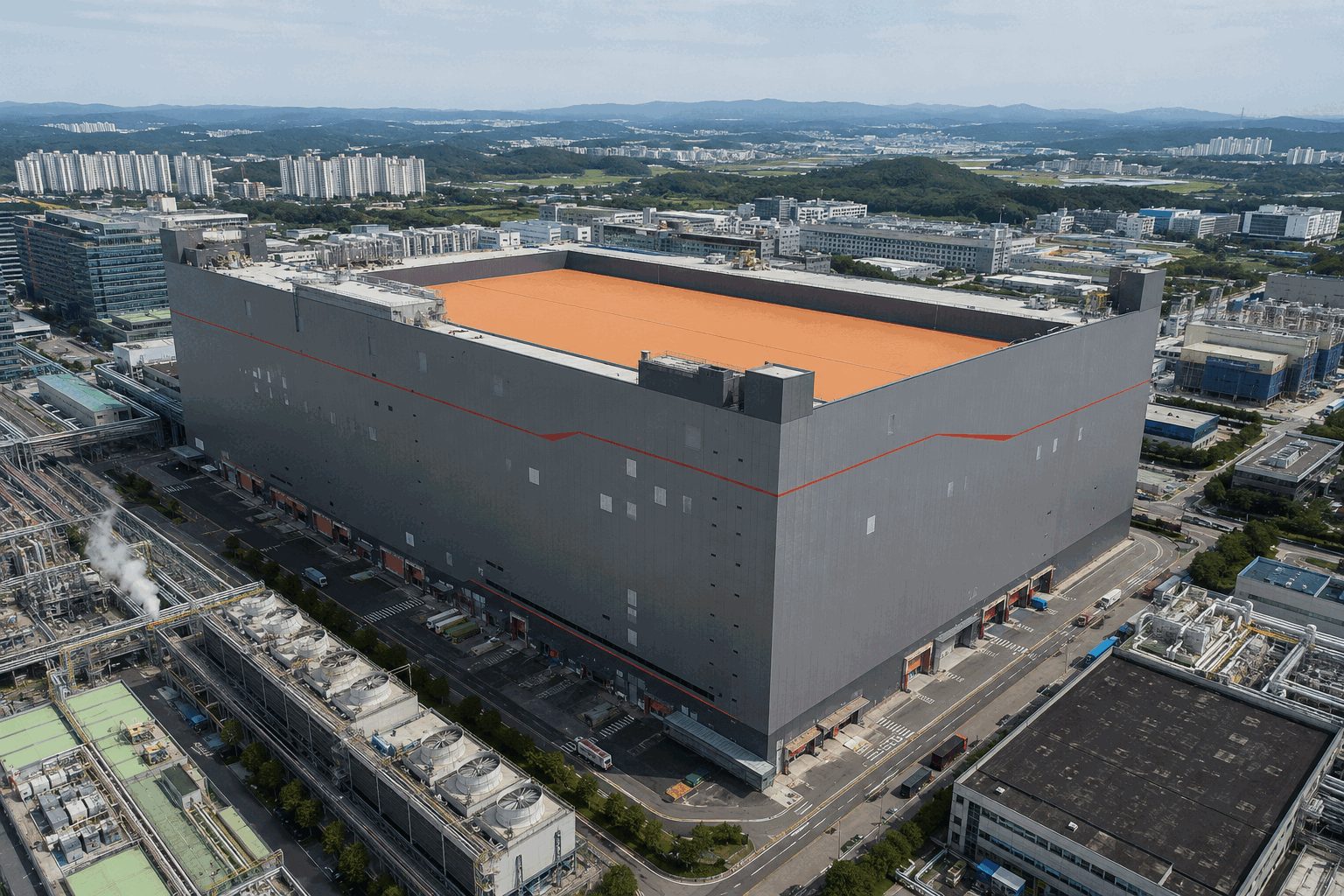
Micron Technology’s plan to invest more than $250 billion in the United States through 2035 gave Wall Street a fresh marker for the artificial intelligence trade on Thursday: the spending boom is real, and it now has to show returns. Micron said the plan was driven by demand for memory chips in the AI era, while its shares rose about 8% in early trading.
U.S. equity markets were open for a regular Thursday session, with the New York Stock Exchange’s core trading hours running from 9:30 a.m. to 4 p.m. ET. The S&P 500 and Nasdaq opened higher, helped by chip stocks even as renewed U.S.-Iran tensions kept traders wary.
The timing matters. Second-quarter earnings season starts next week, and S&P 500 companies are expected to post aggregate profit growth of 23.4% from a year earlier, well above the 15.2% expected at the start of the year. Technology earnings are seen rising 65.5%, with energy up about 115%, according to LSEG IBES data cited by Reuters. Chris Fasciano, chief market strategist at Commonwealth Financial Network, said stronger expectations “certainly raises the bar.” Reuters
That is the turn in the market. Stephen Innes of SPI Asset Management wrote on FXStreet that Goldman Sachs Chief Global Equity Strategist Peter Oppenheimer’s July Corporate Macroscope frames the rally as moving from valuation expansion — investors paying more for each dollar of profit — to earnings, capital spending and sector breadth. AI capex, short for capital expenditure, means money spent on long-lived assets such as data centers, chips and power infrastructure; Goldman’s roadmap says that spending is spreading beyond megacap tech into industrials, electrical equipment, energy security and infrastructure.
Morningstar Wealth is leaning away from the most crowded large-cap U.S. trades. Strategist Dominic Pappalardo told Morningstar that small-cap stocks, or shares of companies with lower market values, and Latin American equities still look better positioned, while U.S. corporate credit looks less attractive. The Morningstar U.S. Small Cap Market Index was up 14.0% this year through June 30, versus 10.7% for the broader Morningstar U.S. Market Index, and Pappalardo said the “quiet surge” in small caps has room to continue. Morningstar
The AI trade is not moving in a straight line. Seeking Alpha’s Tech Contrarians wrote Wednesday that the unwind was starting with memory, citing a sharp semiconductor selloff on Tuesday, including a more than 22% intraday drop in SOXL, a leveraged fund designed to magnify chip-sector moves, and another 10% fall in DRAM, a memory-stock ETF.
Competition in memory is sharpening at the same time. SK Hynix plans to price U.S. American depositary receipts at $149 to raise about $26.5 billion, a person familiar with the matter told Reuters, with trading expected to begin Friday. Daniel Newman, CEO of Futurum Group, said Micron “competes on power efficiency, U.S. positioning, and momentum,” while Reuters noted Samsung remains the world’s largest memory chipmaker by volume. Reuters
Crowding is the weak point. Goldman Sachs said systematic managers, often called quant funds because they use algorithms to trade market trends, had given back a quarter of their 2026 returns after getting caught in crowded trades. Fundamental stock-picking funds were down 2.2% over the same period and had fled AI-linked trades, Reuters reported.
But the downside case is clear. Companies may report good numbers and still fall if the bar is too high; higher oil prices from Middle East tension could hit margins and inflation, while long-term Treasury yields near recent highs reduce the appeal of expensive equities. BlackRock’s Russ Brownback said the Fed was choosing to “tell markets less,” a shift that may leave investors with fewer clues on rates. Reuters
For now, Wall Street is not abandoning AI. It is asking for proof. Micron’s larger buildout, SK Hynix’s U.S. listing and the first big earnings reports will show whether the trade can broaden into profits — or whether the next miss becomes more important than the next spending pledge.
Related articles: NASDAQ:MU




![UK Stock Market Today 24/08/2026 [UPDATE: 07:52 BST] [FTSE Slips as Oil Drop Offsets Gold’s Safe-Haven Bid]](https://ts2.tech/wp-content/uploads/2026/08/UK-market-dashboard-2026-08-24-0752-480x384.jpg "UK Stock Market Today 24/08/2026 [UPDATE: 07:52 BST] [FTSE Slips as Oil Drop Offsets Gold’s Safe-Haven Bid]")