
MONTREAL, Feb 11, 2026, 19:36 EST
- Air Canada has picked up eight Airbus A350-1000 widebody jets and locked in options for another eight.
- The company plans to begin first deliveries in the back half of 2030.
- Airbus noted that the agreement had already been listed as an “undisclosed” order back in November 2025.
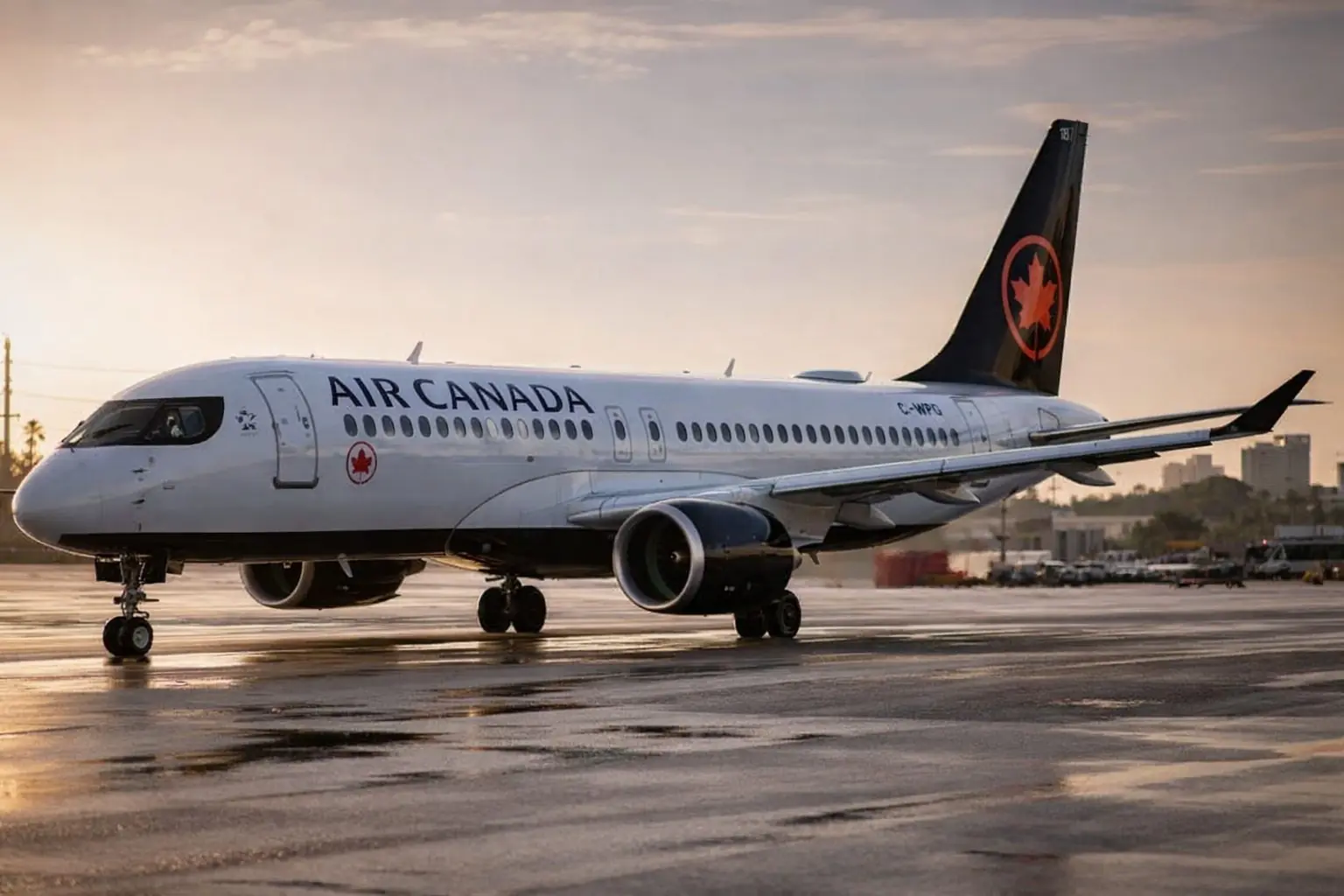
Air Canada is picking up eight Airbus A350-1000s, locking in the right to snag another eight down the line as part of an overhaul for its long-haul lineup. The first of these twin-aisle jets should start arriving in the second half of 2030.
Airlines have been extending their fleet strategies, prioritizing newer, more efficient jets that promise bigger payloads and longer range. The new order for Air Canada pushes its modernization drive well into the next decade—at a time when getting hold of new aircraft is proving tough.
Airbus picks up another victory in the long-haul segment, grabbing more ground just as airlines scramble for limited production slots and split their bets between rivals. Boeing, on the flip side, said January saw it outpace Airbus in both deliveries and net new orders—a sign of just how fierce the rivalry is right now.
A Bloomberg report, citing data from analytics firm Ishka Ltd, puts the value of Air Canada’s deal at roughly $3 billion if every purchase right is exercised. Back in November, the airline rolled out a plan for upgraded aircraft interiors and updated technology.
Air Canada is pitching the A350-1000 as a long-haul upgrade, saying the jet should deliver “up to 25 per cent” lower fuel burn than the planes leaving its fleet—a figure the company credits to Airbus. The carrier quotes a 9,000-nautical-mile range and points to its use of Rolls-Royce XWB97 engines. A refreshed cabin set to launch later this year will bring new screens and upgraded onboard connectivity, according to the airline. GlobeNewswire
Airbus said this order was previously listed as “undisclosed” back in November 2025, and described Air Canada’s pick as “a strong testament” to the A350-1000. The company noted the A350 already flies on up to 50% sustainable aviation fuel (SAF), as it works toward making its aircraft fully SAF-compatible by 2030. By the end of January, Airbus said the A350 line had logged over 1,500 orders from 67 customers. Newswire
According to Airbus, the A350-1000 holds as many as 480 seats if packed to maximum capacity. Most airlines, though, opt for a three-class setup, which brings that number down to somewhere between 375 and 400. The company pitches this widebody as a fuel-efficient alternative to older aircraft, highlighting both fuel savings and lower CO₂ output.
Air Canada hasn’t picked sides when it comes to aircraft suppliers. The carrier has 14 Boeing 787-10 Dreamliners coming and a slate of Airbus jets on order—A321XLRs for long-haul narrowbody routes, plus A220s. All told, it’s a delivery lineup that stretches out for years.
The timeline stretches out, and this deal isn’t set in stone. If deliveries slip—whether it’s airframes, engines, or cabin equipment—Air Canada could be stuck operating older jets for longer. That would mean higher maintenance bills and tighter constraints on planning its routes.
The airline hasn’t yet specified initial routes for the A350-1000s, but it’s positioning the jets for longer-haul expansion and a steadier cabin experience. Airbus, meanwhile, cast the aircraft as a cornerstone for Air Canada’s upcoming push in international markets.
Related articles: Stock Market