
New York, June 11, 2026, 09:03 EDT
- Alibaba shares in Hong Kong fell around 5.4% after regulators in Beijing questioned the company’s discount offers for China’s 6.18 shopping festival.
- Alibaba’s U.S.-listed ADR had already finished lower for six sessions in a row before the latest pressure hit.
- Investors are watching local regulatory risks, the new U.S. military-company label, and if AI spending can help Alibaba Cloud move quickly enough to handle margin pressure.
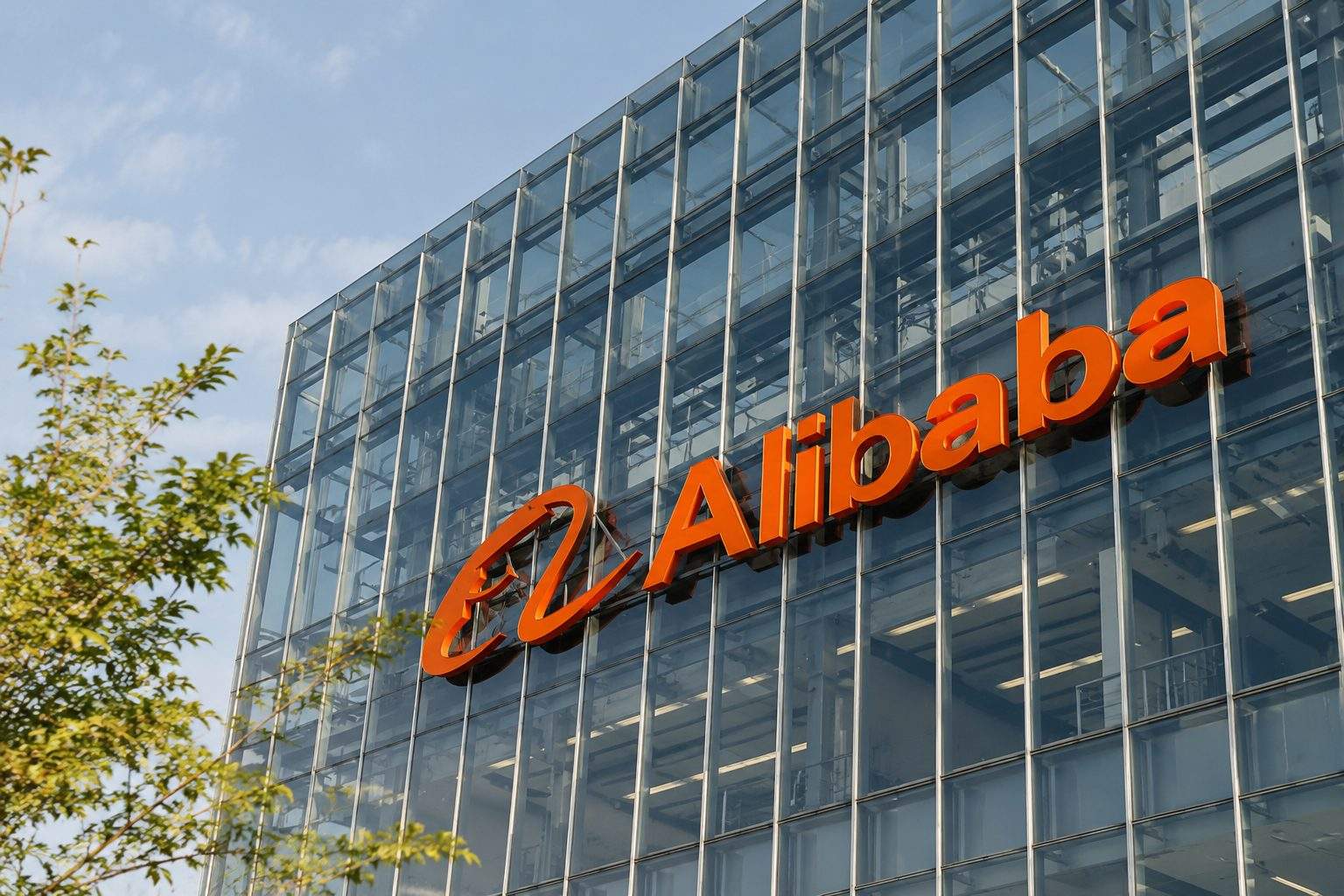
Alibaba Group Holding shares dropped again Thursday after China’s market regulator used what’s usually a standard shopping season check-in to call out Taobao and Tmall over 6.18 discount claims. The warning came as Alibaba’s New York shares were already falling. Alibaba’s Hong Kong stock slid 5.4%. JD.com shares lost 2.9%, the Financial Times said.
The Beijing Municipal Administration for Market Regulation said it called in Taobao/Tmall, JD.com, Pinduoduo, Douyin and Xiaohongshu over what it described as “involution-style” competition, meaning aggressive price battles that don’t add long-term value. The regulator found issues such as false promotion, unclear sales terms and missing info on merchants, and ordered the platforms to fix them. Beijing Market Admin
Alibaba’s issue was called out as specific. The regulator said that since May, Taobao/Tmall had promoted a “6.18 hundred-billion subsidy” campaign, but said that did not mean Alibaba was giving 10 billion yuan in consumer subsidies during 6.18. The authority described the campaign as a long-running marketing effort and said the platform wouldn’t disclose the actual subsidy amount or how Alibaba and merchants shared the cost. Beijing Market Admin
The 6.18 sale is a big deal. It started around JD.com’s June 18 anniversary and now stands as China’s top midyear online shopping event. Alibaba, JD.com, and PDD’s Pinduoduo are all pushing hard with discounts and subsidies to grab shoppers.
Alibaba shares took another hit after Beijing’s notice. The ADR in the U.S. closed at $115.38 on Wednesday, down 3.61%, marking six days in a row of losses, MarketWatch said. In Hong Kong, Alibaba’s 9988 was last seen trading near HK$107.40 on Thursday. That’s down from HK$113.50 at the previous close, with Investing.com showing the intraday low at HK$106.10.
Alibaba, Baidu, BYD and several other Chinese firms were added to the Pentagon’s “Chinese military companies” list just two days before fresh regulatory pressure at home. The label cuts off new U.S. Defense Department contracts for those companies. The Defense Department said Alibaba landed on the list because of reported ties to Chinese state industry groups. Reuters said others now on the list include CXMT, YMTC, Unitree, WuXi AppTec and RoboSense. U.S. Department of War
Alibaba hit back in a June 9 filing with the U.S. Securities and Exchange Commission, saying it’s not a Chinese military company and plans to take legal action if needed. The company said it doesn’t expect the listing to hit business as it doesn’t do U.S. military procurement. Alibaba added the CMC list doesn’t trigger export controls or sanctions and doesn’t block securities trading.
Regulators in China are targeting Alibaba’s main retail business, a move Thursday that could cut deeper than the Pentagon’s label. For the March quarter, Alibaba reported China e-commerce group sales up 6% to RMB122.22 billion, driven by gains in quick commerce, but adjusted EBITA dropped 84% to RMB5.10 billion. Adjusted EBITA is a non-GAAP metric stripping out interest, taxes, amortization and some extra items. Alibaba blamed the EBITA slide on higher spending for its tech units, quick commerce, and work on user experience.
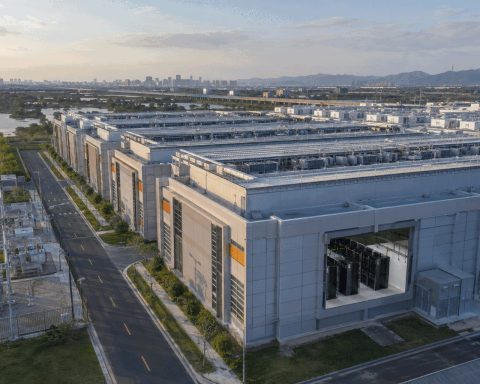
Alibaba is still betting big on artificial intelligence and cloud. The Cloud Intelligence Group’s revenue climbed 38% in the March quarter to RMB41.63 billion. AI product revenue was RMB8.97 billion, which made it 11 straight quarters of triple-digit year-over-year growth, according to the company. Still, Jefferies analysts told the Financial Times they are seeing fresh worries for Alibaba Cloud around missing the reported China data-center buildout, and about lower AI pricing going forward.
There’s a risk these pressures could pile up. If Beijing tells platforms to redo subsidy rules before or during 6.18, Alibaba faces a choice. Softer promos could mean lower traffic, while tougher, more direct subsidies could hit margins harder. If the U.S. moves past the current designation to wider rules or pushes for delisting, Chinese ADRs might see steeper valuation discounts. At the same time, Alibaba is still spending on AI and quick-commerce bets. If these outflows keep going, some investors may lose patience with thin short-term profits, even though Alibaba ended March with RMB520.82 billion in cash and liquid assets.
Beijing has told platforms to review 6.18 promotion rules right away and said it would keep watching for “involution-style” competition. That puts pressure on Alibaba. The company now has to show if Taobao and Tmall can run the festival with strong enough discounts to hold onto market share—without triggering trouble from regulators, merchants or shareholders. Beijing Market Admin
Related articles: NYSE:BABA