New York, Jan 8, 2026, 08:12 (EST) — Premarket
- AAL was last down about 0.1% premarket after a 2% rise in the prior session.
- American plans a phased rollout of free, AT&T-sponsored in-flight Wi‑Fi for AAdvantage members.
- TD Cowen lifted its price target to $19; BofA raised to $17 while keeping a neutral call.
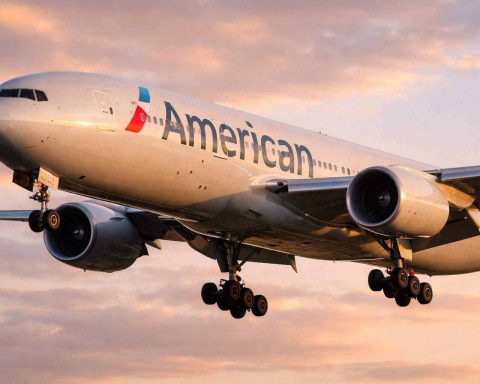
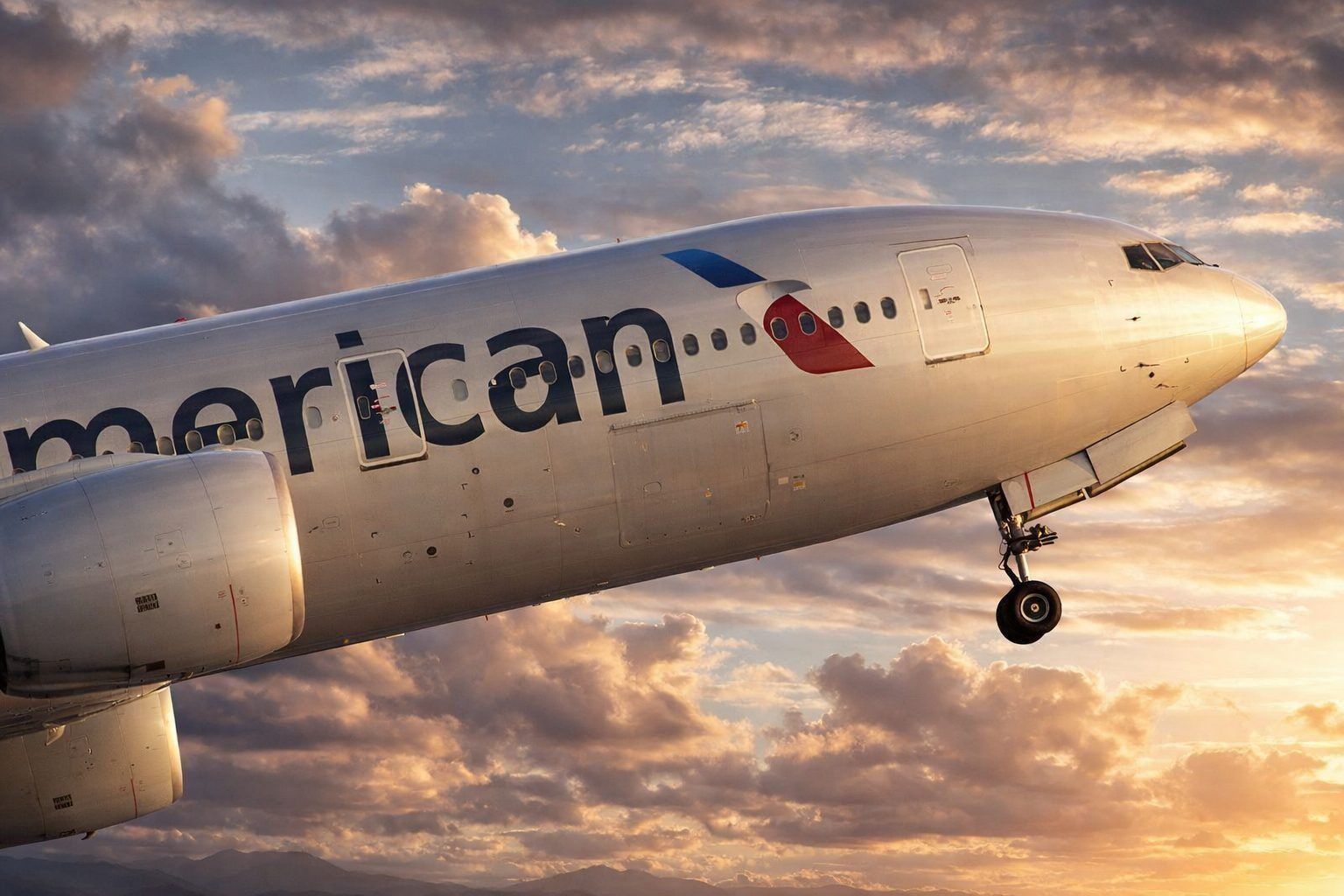
American Airlines Group Inc (AAL.O) shares were last down about 0.1% at $15.97 in premarket trade on Thursday, after climbing about 2% in the prior session, as the carrier detailed plans to make in-flight Wi‑Fi free for loyalty members. “Free high-speed Wi‑Fi isn’t just a perk — it’s essential for today’s travelers,” chief customer officer Heather Garboden said in a statement. Investing.com+1
The shift matters because free Wi‑Fi has turned into a hard-nosed fight for repeat customers, not a feel-good add-on. Airlines have leaned more on loyalty programs and premium products to steady revenue, and onboard connectivity is now part of that pitch.
American said the rollout will come in phases, starting with its narrowbody and dual-class regional fleets and reaching nearly all flights by early spring. AT&T executive Jenifer Robertson said the sponsorship is meant to keep travelers “productive, entertained, and in touch from takeoff to landing.” ATT Newsroom
Analyst Tom Fitzgerald at TD Cowen raised his price target — an estimate of where a stock could trade over the next 12 months — to $19 from $16 and kept a buy rating. He wrote that demand is “entering 2026 with good momentum.” TipRanks
BofA lifted its target to $17 from $15 but reiterated a neutral rating, saying fourth-quarter earnings season and 2026 guidance will set an early tone for airline stocks. The bank pointed to Delta’s report on Jan. 13 as an early read-through for the group.
Technically, resistance — a level traders often treat as a ceiling — sits near $16.44, while support is around $15.59, Barchart data showed. The stock’s 52-week range runs from $8.50 to $19.10.
But free Wi‑Fi can bite if usage spikes, equipment upgrades drag, or service quality slips and prompts more customer complaints than loyalty sign-ups. Investors are also wary of how quickly airlines can absorb new costs if demand cools.