New York, January 27, 2026, 12:50 PM EST — Regular session
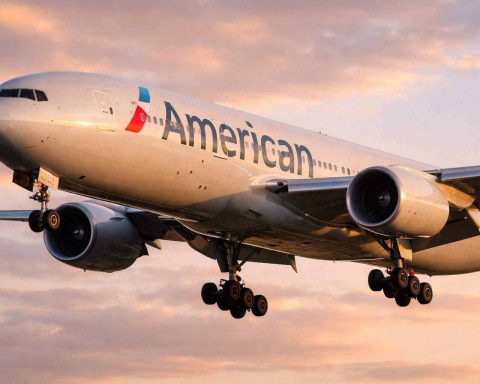
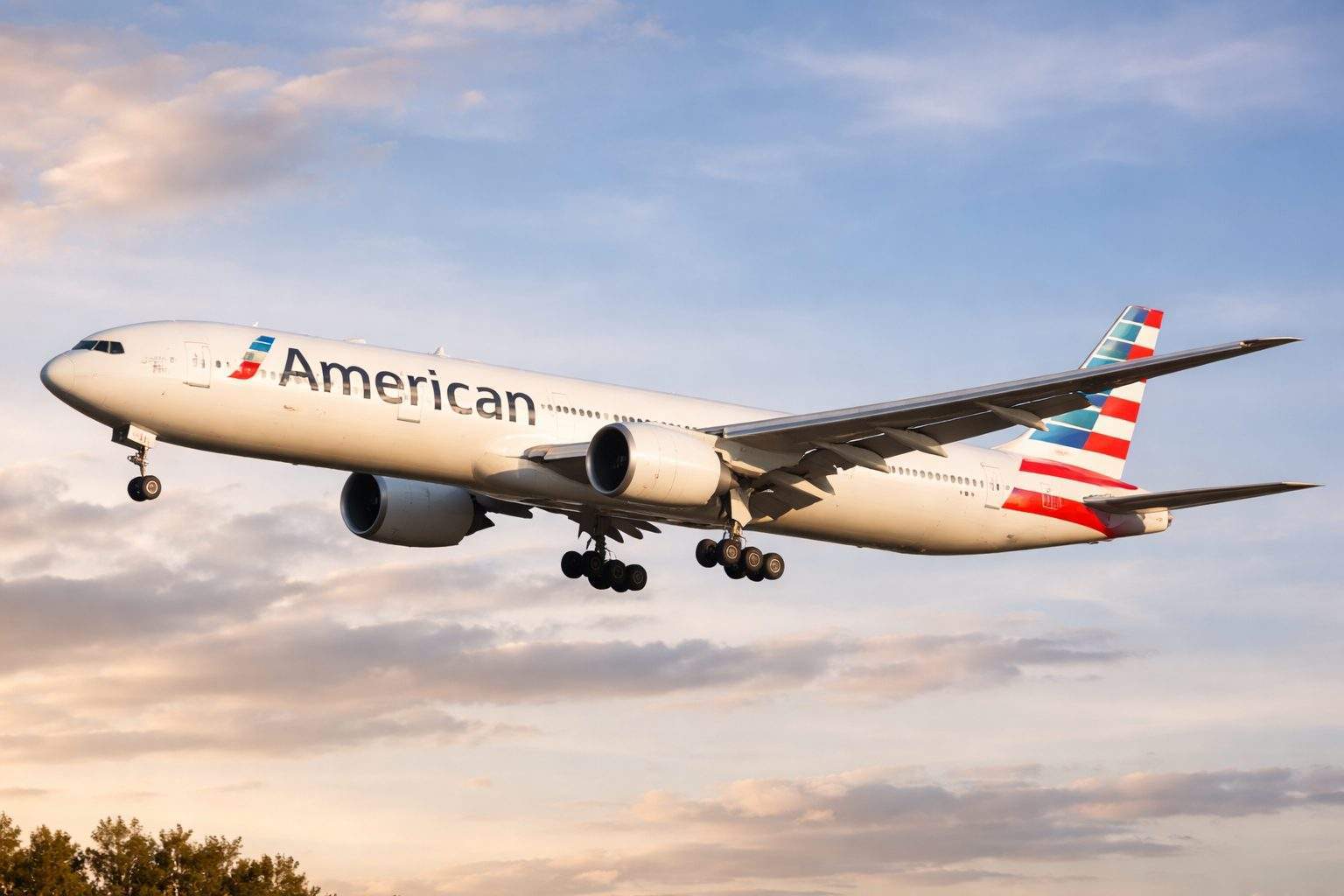
Shares of American Airlines Group Inc (AAL) dropped roughly 5.5%, landing at $13.78 by midday Tuesday, after fluctuating between $15.22 and $13.34. United Airlines and Delta Air Lines also slid, down around 2% and 1%, respectively.
The selloff is significant because airlines use this period to reset their yearly outlook. Guidance often impacts stocks more than the recent quarter’s results, particularly when early disruptions cloud visibility.
Weather can quickly transform a strong demand story into a costly headache. When planes are grounded, revenue dries up, yet many expenses keep piling on. Plus, the recovery often strands crews and aircraft for days.
American reported record fourth-quarter revenue of $14.0 billion, but GAAP net income came in at just $99 million, or 15 cents a share, dragged down by a government shutdown that slashed revenue by around $325 million. For the first quarter, it expects revenue to rise 7% to 10%, with an adjusted loss of 10 to 50 cents per share. This forecast factors in Winter Storm Fern, which is expected to reduce capacity—measured by available seat miles (ASM)—by about 1.5 percentage points, cost $150 million to $200 million in revenue, and push up unit costs (CASM-ex, which excludes fuel and other items). Looking ahead to 2026, American is projecting adjusted earnings between $1.70 and $2.70 per share and free cash flow exceeding $2 billion. CEO Robert Isom highlighted the airline’s “significant upside in 2026 and beyond,” pointing to investments like free high-speed satellite Wi-Fi for AAdvantage members, sponsored by AT&T, and a transition to a Citi credit-card channel. American Airlines Newsroom
A filing revealed the company submitted its results along with an investor presentation in a Form 8-K on Tuesday. SEC
The storm has wreaked havoc on travel across the United States, triggering widespread cancellations and delays that cascade through airline systems. American Airlines stands out as one of the hardest hit, flight tracking data referenced by Reuters shows. Reuters
The stock’s move implies traders remain fixated on first-quarter results rather than potential developments later in the year. The profit miss tightened the margin for error, and the storm’s impact struck before schedules and pricing usually stabilize.
The focus shifts to execution: can American maintain premium pricing, sustain corporate demand, and operate smoothly despite stretched hubs? Investors usually favor airlines that deliver consistent results, not just optimistic presentations.
The near-term picture is complicated. Should the disruption drag on or if cancellations and refunds pile up, that $150 million to $200 million revenue hit might climb, squeezing cash flow in a quarter already known for its seasonal weakness.
American said premium unit revenue — revenue per seat mile — outpaced main-cabin unit revenue by seven percentage points in the fourth quarter. It also forecast its count of lie-flat seats will jump more than 50% by 2030. The airline reported “revenue intakes” — cash from bookings — climbed by double digits in the first three weeks of 2026. Its profit outlook for 2026 topped analysts’ average estimate of $1.97, according to LSEG data. Chief Financial Officer Devon May told Reuters the storm that hit was the biggest in the company’s history and expects flight operations to be near normal by Thursday. investing.com