
New York, May 14, 2026, 18:29 (EDT)
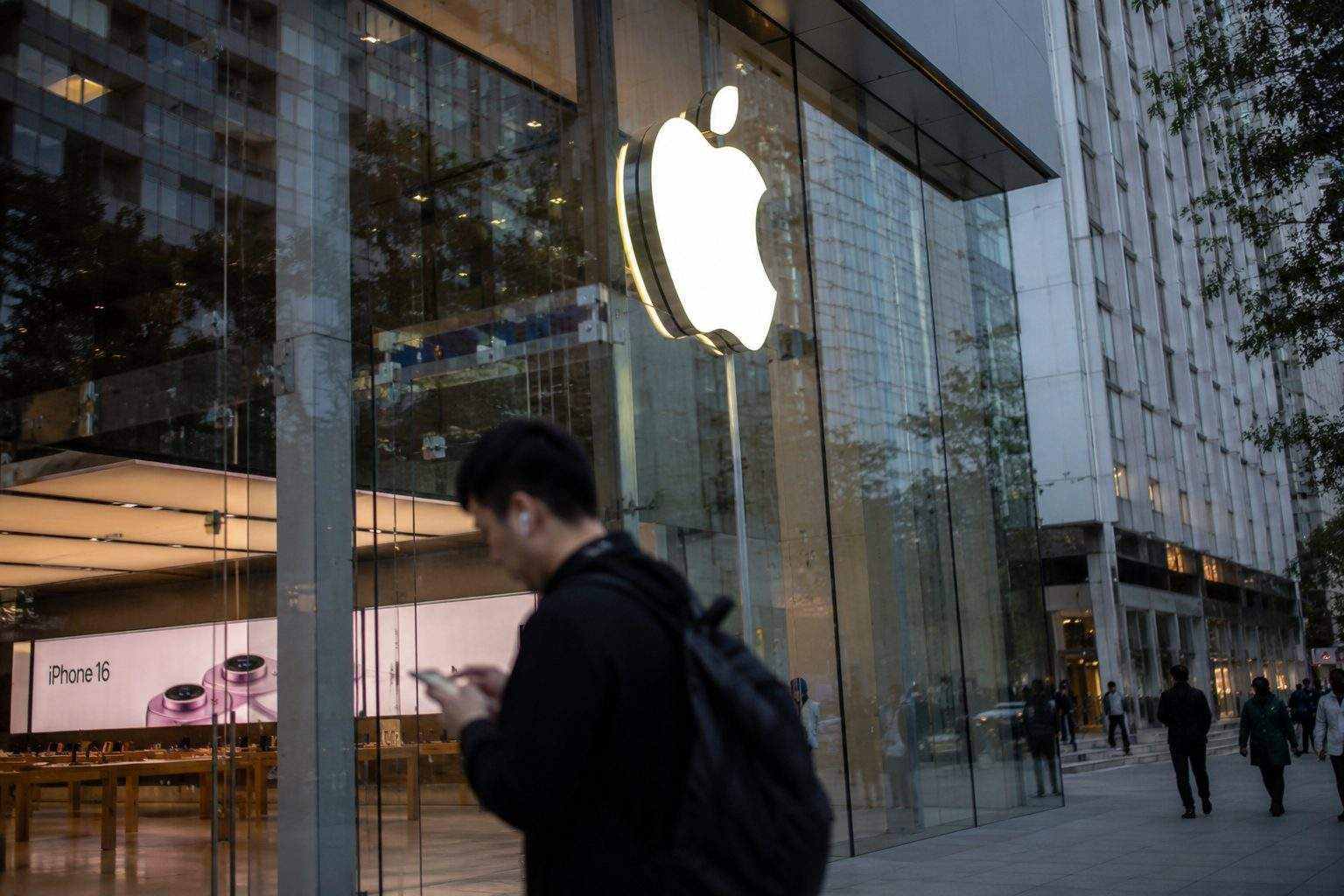
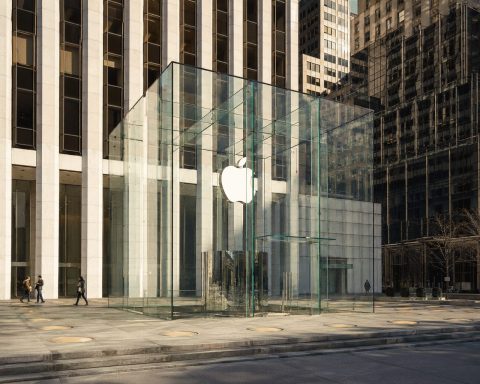
Apple pulled back 0.2%, ending Thursday at $298.21. The stock edged up to $300.45 during the session—just shy of its May 13 high of $300.92—before retreating, after having settled at a record $298.87 Wednesday.
The retreat stings: Apple had just started picking up steam again. Traders had piled in, betting on robust iPhone sales, all-time high Services revenue, a massive $100 billion repurchase, and anticipation that next month’s developer conference could finally lay out a firmer AI roadmap.
This time, the turbulence emerged from AI, not devices. OpenAI’s partnership with Apple—just two years old—has hit a rough patch, with the ChatGPT developer now considering legal action, possibly over a breach of contract, according to a Reuters source. Apple hasn’t returned a request for comment.
That struck a nerve for Apple shares. The tech giant has turned to external AI firms as it looks to beef up Siri and its suite of features; Reuters said Google’s Gemini will likely drive an upgraded Siri this year, and Apple has trialed Anthropic’s Claude as well. Bottom line, investors are looking for Apple to deliver AI that actually moves hardware or service sales, not just another set of vendor tie-ups.
The move lagged the broader market, even as the S&P 500 and Nasdaq notched fresh record closes driven by tech strength. Nvidia surged 4.4% after the U.S. gave the green light for its H200 chip sales to Chinese companies. “How much longer” this rally can keep going is the question, said Robert Pavlik at Dakota Wealth. Reuters
The bull case is still in play. Amit Daryanani at Evercore ISI bumped his Apple target to $365, up from $330, citing consistent earnings, free cash flow momentum, a resilient Services business, and higher demand for premium iPhones, Barron’s noted. Daryanani also anticipates Apple will unveil a more personalized Siri approach during WWDC.
Apple handed bulls plenty to chew on after reporting a 17% jump in quarterly revenue to $111.2 billion. Diluted EPS climbed 22% to $2.01. CEO Tim Cook described it as the “best March quarter ever” for the company. The board also gave the green light for another $100 billion in buybacks, shrinking the share count. Apple
But it wasn’t a straightforward quarter. Speaking to Reuters, Cook described iPhone demand as “off the charts,” yet flagged “significantly higher memory costs”—a clear signal that even robust sales may take a hit if component prices spike. Reuters
The filing lays out the divide among investors: iPhone net sales jumped 22% to $56.99 billion. Services revenue was up 16%, hitting $30.98 billion. And Services gross margin? 76.7%—well above Apple’s overall gross margin, which came in at 49.3%.
Rates remain a drag. Over on Polymarket, traders peg the odds of the Fed holding steady in June at 98%, and see a 72% likelihood rates won’t be cut at all in 2026. DeFiRate is tracking a Kalshi market showing 97% for a June hold. Higher-for-longer rates tend to sap big growth stocks, since their valuations lean heavily on future earnings.
Fresh economic numbers failed to take the pressure off. U.S. retail sales climbed 0.5% in April, but according to Reuters, higher import prices and stubborn inflation are keeping markets locked in on the Fed maintaining rates between 3.50%-3.75% into next year. Sal Guatieri at BMO pointed to a “powerful equity market rally” fueling upper-income spending. Reuters
The downside risks are clearer now. A formal OpenAI dispute, a lackluster AI presence at WWDC, or another jump in memory costs could quickly challenge the rally—Apple remains near its highs, and the Fed isn’t providing support.
Apple shares slid for a pretty specific reason: investors took profits on one of this year’s biggest gainers after jitters over an AI partnership. Still, AAPL hangs right around $300, thanks to steady iPhone sales, fat margins on Services, hefty cash returns—and hopes that June brings a clearer AI pitch from Apple.
Related articles: NASDAQ:AAPL



![Asia Stock Market Today 28/08/2026 [UPDATE: 00:51 SGT] [Salesforce Leads KASE Global Into Final Minutes After Asia’s Split Close]](https://ts2.tech/wp-content/uploads/2026/08/Asia-market-dashboard-2026-08-28-0051-480x384.jpg "Asia Stock Market Today 28/08/2026 [UPDATE: 00:51 SGT] [Salesforce Leads KASE Global Into Final Minutes After Asia’s Split Close]")