
SANTA CLARA, California, April 28, 2026, 11:03 PDT
- Applied Materials’ ties to China are once again in the spotlight for AMAT stock, thanks to U.S. export moves.
- Shares dropped roughly 5.5% on Tuesday. Lam Research and KLA shares also ended the day in the red.
- Applied Materials drew 30% of its revenue from China in the most recent quarter.
Shares of Applied Materials dropped Tuesday, following a Reuters report that the U.S. Commerce Department last week ordered certain chip equipment makers to stop sending some tools to Hua Hong, China’s No. 2 chip producer. Lam Research, Applied Materials, and KLA were thought to be among the firms that got letters, Reuters said, citing sources familiar with the situation.
This matters now because Applied’s China business remains sizable, despite multiple waves of U.S. export restrictions. AMAT shares dropped $22.07 to $382.79. Lam Research and KLA each slid about 3.3%, weighing on a sector that’s been boosted lately by AI chipmaking demand.
U.S. officials are moving to block shipments of certain tools and materials headed to Hua Hong facilities, targeting what they say could be used for advanced chip production, according to Reuters. Hua Hong’s Huali Microelectronics unit, Reuters added, has been working on a 7-nanometer process at its Shanghai site. That 7-nanometer label signals a high-end chip technology—smaller numbers translate to greater chip density.
Reuters said the Commerce Department wouldn’t comment. Hua Hong, Lam Research, Applied Materials and KLA also didn’t respond right away to requests for comment.
Filings from Applied lay out the numbers that caught investors’ attention. China brought in $2.095 billion during the quarter ending Jan. 25, about 30% of overall revenue—down from $2.243 billion, or 31%, in the same stretch last year. Taiwan contributed 25%, Korea 21%, according to the filing.
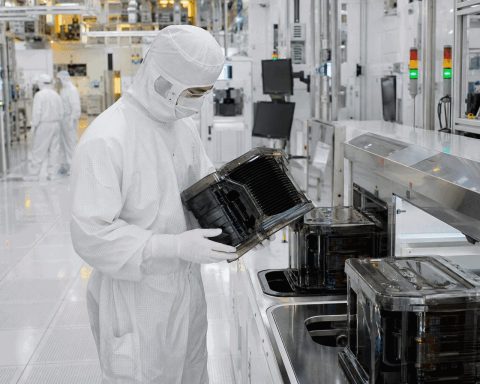
The company’s core business is wafer-fabrication gear—equipment that transforms raw silicon wafers into chips—plus related services and software. For the quarter, foundry, logic, and other chipmakers delivered 62% of Semiconductor Systems revenue, while DRAM, the memory staple for computing, contributed 34%.
The selloff is hitting chip-equipment makers even as Wall Street remains bullish on the sector. On Tuesday, Bank of America listed Applied, Lam, and MKS Instruments as key players for wafer-fab equipment growth. Still, it warned about potential downside for Applied due to U.S. government-related risks.
Applied management keeps flagging AI-driven demand to investors. Back in February, Chief Executive Gary Dickerson described semiconductors as “the heart of the AI technology stack” and said Applied was on track for over 20% growth in its semiconductor equipment business this calendar year. Applied Materials
There’s a catch: export controls could start to hit before AI-driven demand has a chance to make up the slack. In its most recent quarterly filing, Applied cautioned that getting China-related export licenses isn’t easy. If it can’t lock them down, the company could lose out on sales, get edged out by Chinese or other foreign competitors, and see financial results take a hit.
Export-control questions continue to hang over the company. Applied disclosed a Feb. 11 settlement with the Commerce Department’s Bureau of Industry and Security, tied to shipments to Chinese customers and export compliance lapses. The company will pay $253 million and has committed to internal audits.
Up next: earnings. Applied is set to release its fiscal second-quarter numbers on May 14. Investors will be watching to see if management says the Hua Hong move affects the company’s outlook for China or its AI-driven growth strategy.
Related articles: NASDAQ:KLAC