
New York, April 28, 2026, 2:02 PM EDT
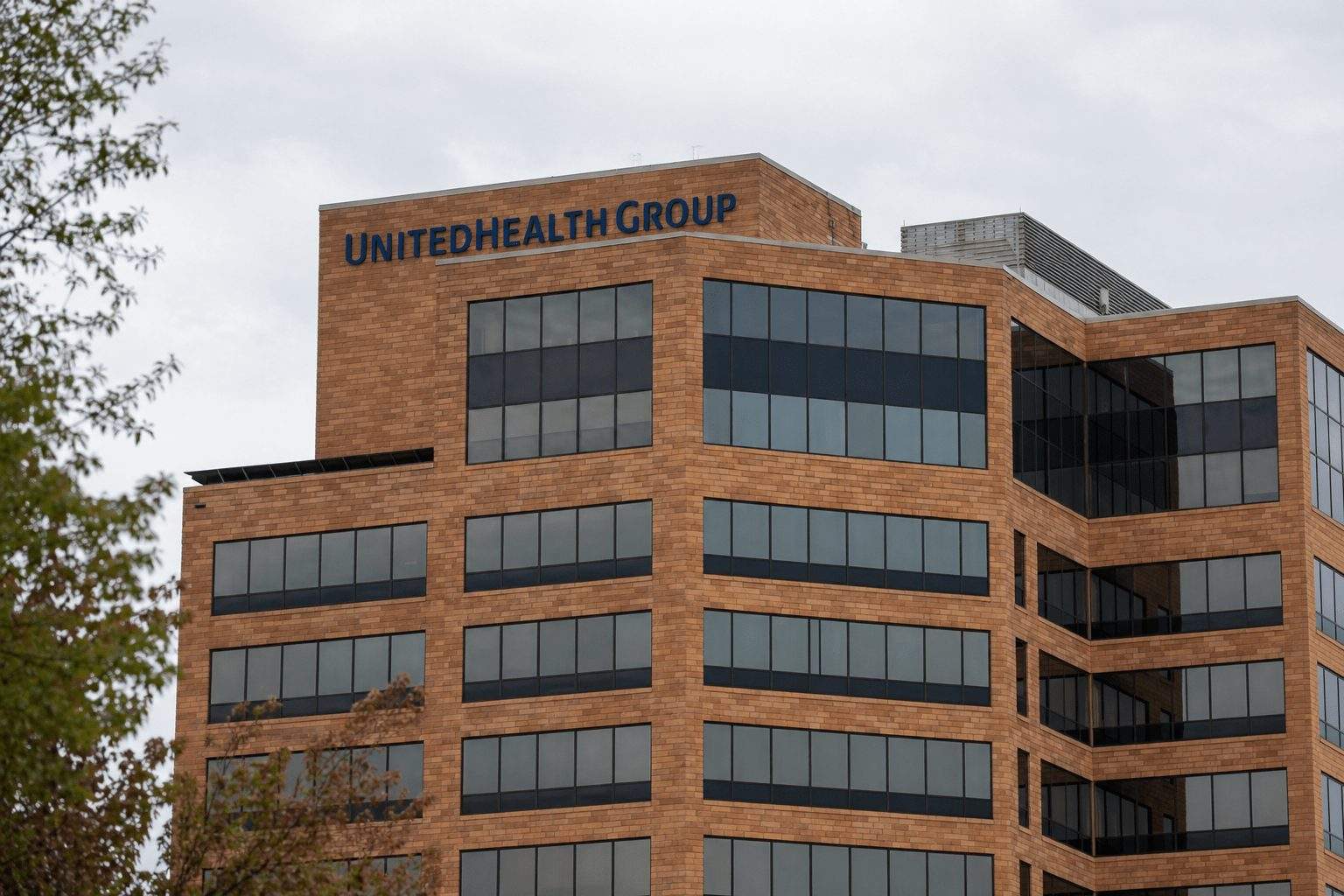
- UnitedHealth Group shares jumped around 4% on Tuesday, building on momentum from last week’s stronger-than-expected earnings report.
- Centene lifting its profit outlook gave Wall Street more reason to wager that big insurers are seeing relief from medical-cost pressures.
- Risks remain: UnitedHealth’s Optum is still sorting out contract and cost problems, while care use stays high.
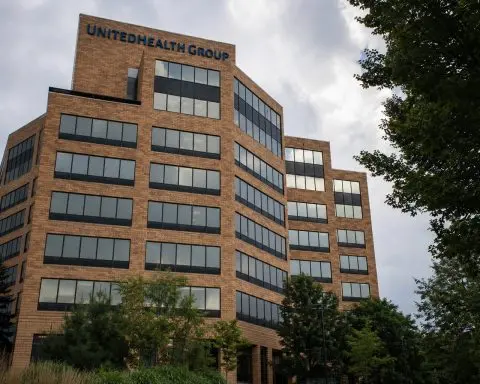
UnitedHealth Group Incorporated saw its shares jump roughly 4% to $369.41 early Tuesday afternoon, lifted alongside other U.S. health insurers after Centene issued another profit outlook boost. Centene surged more than 14%. Humana and CVS Health picked up gains as well, as the latest guidance stoked hopes that the sector’s medical-cost crunch could be loosening its grip.
This is significant—UnitedHealth’s seen as the benchmark in managed care. Investors are watching closely to see if big insurers can set premiums high enough to keep up with ongoing medical cost surges that have pressured the sector for over two years. On Tuesday, Reuters said Centene’s upgraded outlook came after UnitedHealth and Elevance made similar moves, a trend that’s eased investor concerns.
Centene posted a first-quarter medical loss ratio of 87.3%, landing well under the 89.42% analysts had penciled in, per LSEG numbers reported by Reuters. “We think this is a positive start to the year,” J.P. Morgan’s John Stansel said, though he flagged that major milestones in the months ahead could still alter 2026 guidance. Reuters
UnitedHealth’s sector impact comes just a week after it bumped up its 2026 adjusted profit forecast, now targeting over $18.25 per share. In the first quarter, the company posted $111.7 billion in revenue, operating earnings of $9.0 billion, and reported its medical care ratio at 83.9%—a drop of 90 basis points year over year.
Chief Executive Stephen Hemsley told analysts last week UnitedHealth’s first quarter went pretty much as the company anticipated. Pricing at UnitedHealthcare, he said, is moving in the right direction even with health care cost pressures still high. Hemsley also flagged what he called “progress” at Optum Health, as the company works to sharpen execution on value-based care—a setup where providers get paid for outcomes and managing costs, not just doing more procedures. UnitedHealth Group
The rebound in the stock comes after UnitedHealth faced a string of setbacks over the past year—higher care utilization, ongoing pressure in Medicare Advantage, and softness in Optum all dented performance, forcing the company to work to regain investor trust. Expectations heading into this rally were already muted.
The shift remains murky. UnitedHealth attributed its first-quarter cost ratio improvement to reserve development, noting the boost was tempered by “consistently elevated utilization and unit cost trends.” Reuters noted Optum’s operating income dropped 15%, pinning the decline on rising medical costs and continued investment. UnitedHealth Group
Membership numbers slipped again. UnitedHealthcare reported 49.1 million people served in the first quarter, a drop from 49.8 million at the end of last year. Seniors enrolled in Medicare Advantage fell by 965,000, according to the company’s latest results.
UnitedHealth appears to be gaining ground as competition realigns. Centene now expects 2026 adjusted profit to top $3.40 a share, up from its previous guidance of over $3, and has bumped its revenue projection to a range of $187.5 billion to $191.5 billion. The company pointed to improved cost discipline and manageable flu expenses as key drivers.
But the downside risk is still on the table. Should medical use pick up pace once more, or if government payouts fall short, or those sicker pools in Obamacare and Medicare end up costing more, the rally insurers are enjoying now could evaporate fast. UnitedHealth has scale working in its favor—yet misses, if they happen, are tough to mask at its size.
Related articles: NYSE:UNH


![UK Stock Market Today 29/08/2026 [UPDATE: 08:49 BST] [Weekly Recap + Week Ahead: Midcaps Lead Before Bailey and Gilt Auction]](https://ts2.tech/wp-content/uploads/2026/08/UK-market-dashboard-2026-08-29-0843-480x384.jpg "UK Stock Market Today 29/08/2026 [UPDATE: 08:49 BST] [Weekly Recap + Week Ahead: Midcaps Lead Before Bailey and Gilt Auction]")