Buenos Aires, June 5, 2026, 18:02 (ART)
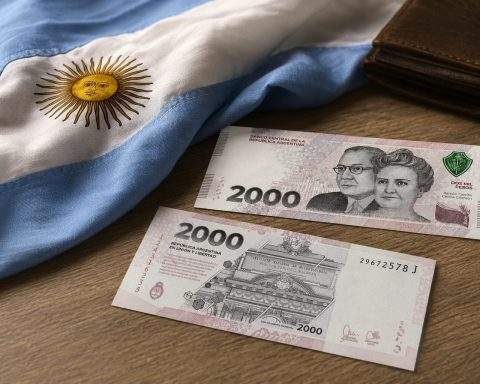
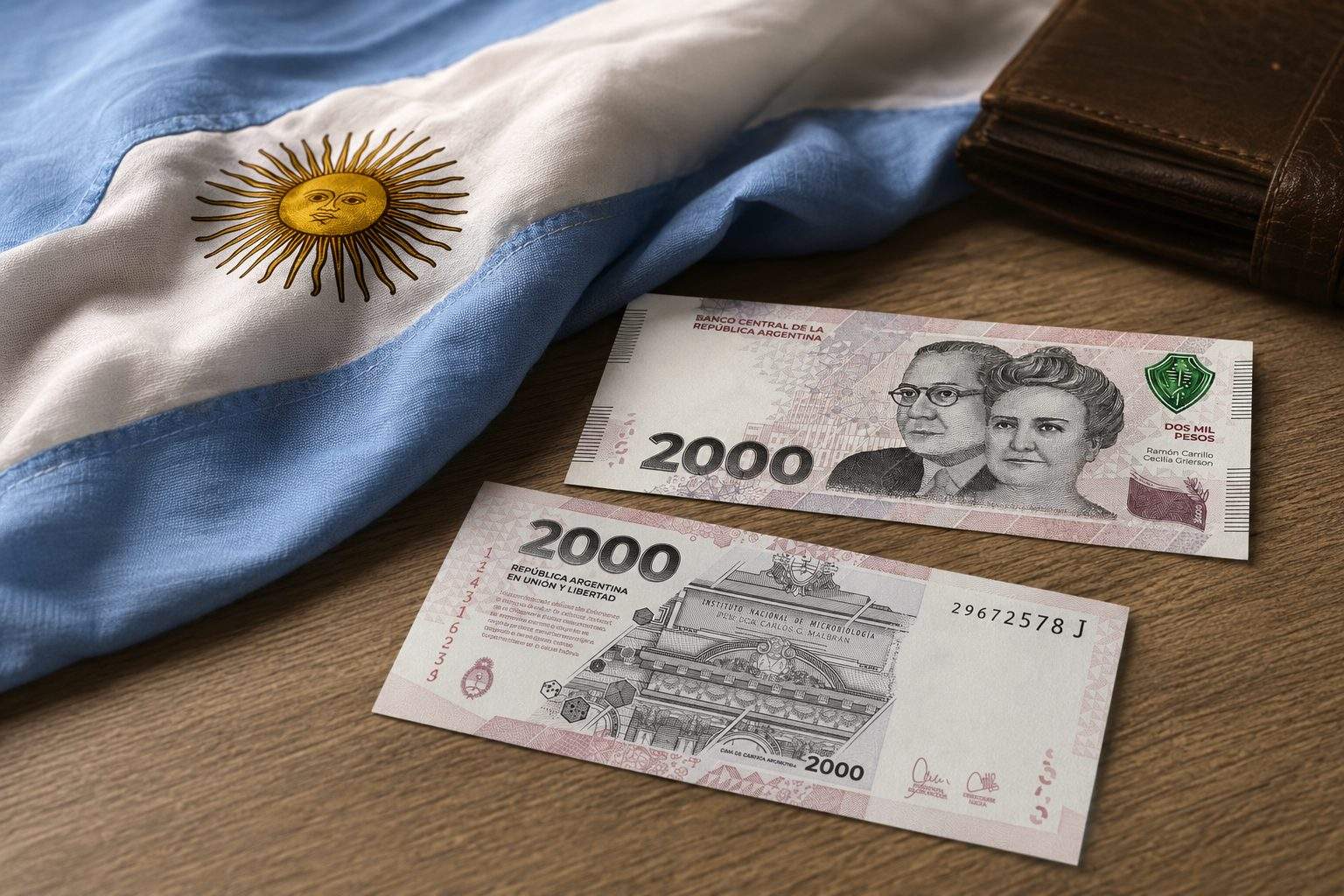
The official peso gained Friday, with Banco Nación quoting the dollar at 1,410 pesos for buying and 1,460 for selling. The formal exchange rate stayed above the “blue” dollar at the end of the week. BNA
Peso rallied hard, pushing up against the official exchange-rate bands set by the government.
Peso logs sharpest weekly advance of 2024 as traders eye currency bands The official rate had one of the biggest weekly jumps this year, with traders waiting to see if the government’s currency bands will stand up to more dollar demand in the next few weeks. Ámbito reported the wholesale peso rose 3.5 pesos on Friday, settling at 1,440. That’s a gain of 35 pesos, or 2.3%, from a week ago.
Blue dollar cash closed at 1,410 pesos for buyers and 1,435 for sellers, according to traders speaking to Ámbito. The informal rate finished below the official retail sell price, reversing a usual pattern where the blue dollar trades higher.
ADNSUR said the formal dollar rose 5 pesos to end at 1,410/1,460 after a choppy session that wrapped up at 3 p.m. with the close of the bank market. The outlet listed the card dollar—used for card buys in foreign currency with tax surcharges—at 1,898 pesos.
Financial dollars steadied near the official. The MEP closed at 1,458.79 pesos. The contado con liquidación, or CCL, settled at 1,519.55 pesos, Ámbito reported.
Central bank intervention bands haven’t come into play. The BCRA on June 5 put the exchange-rate band between 787.42 pesos and 1,768.68 pesos per dollar.
Hedging is still in play. Ámbito pointed to comments from Outlier’s Gabriel Caamaño, who observed that open interest in dollar futures shot up by 150,000 contracts, the biggest weekly rise, with end-June contracts drawing trader attention.
Peso climbed this week in line with Brazil’s real and Chile’s peso, economist Javier Giordano told Ámbito. Ámbito’s market report showed Wall Street bonds and Argentine ADRs up. Country risk hovered near 486 basis points.
Question remains on how long export dollars from farming will keep dollars coming into the market. La Nación quotes Fernando Marull, an economist, saying “a stable dollar is expected” in June as “soy supply and financial flows” are still coming in. Martín Polo, strategy chief at Cohen Aliados Financieros, also sees a “more calm” dollar this month. The crop-liquidation season is ongoing. LA NACION
Second-half prospects are less clear. Polo told La Nación there might be “an exchange rate that slides a little faster” in the months ahead. Andrés Reschini at F2 Soluciones Financieras said the June ceiling will come down to dollar moves in the region and local inflation. LA NACION
Peso forecasts from banks, consultancies and research groups in the BCRA’s latest survey put the average at 1,422 per dollar for June and 1,658 in December, the central bank report said Thursday. That’s a 14.5% increase from a year ago. May inflation came in at 2.3%, the survey found.
The official market is trading inside its bands, and the blue dollar hasn’t started to move up. But the risk is that demand for dollars could climb faster than authorities expect as farm selling slows, with World Cup travel and dollar strength both factors here.