
Singapore, June 15, 2026, 06:30 (SGT)
- Oil prices dropped sharply. Brent slid 4.02% to $83.82, while WTI lost 4.63% to settle at $80.95. The fall came after the U.S. and Iran reached a deal to end the war and reopen the Strait of Hormuz for shipping.
- Wall Street finished higher on Friday, with the Dow up 0.70%. The S&P 500 gained 0.50% and the Nasdaq closed 0.31% higher. Asia followed the positive lead.
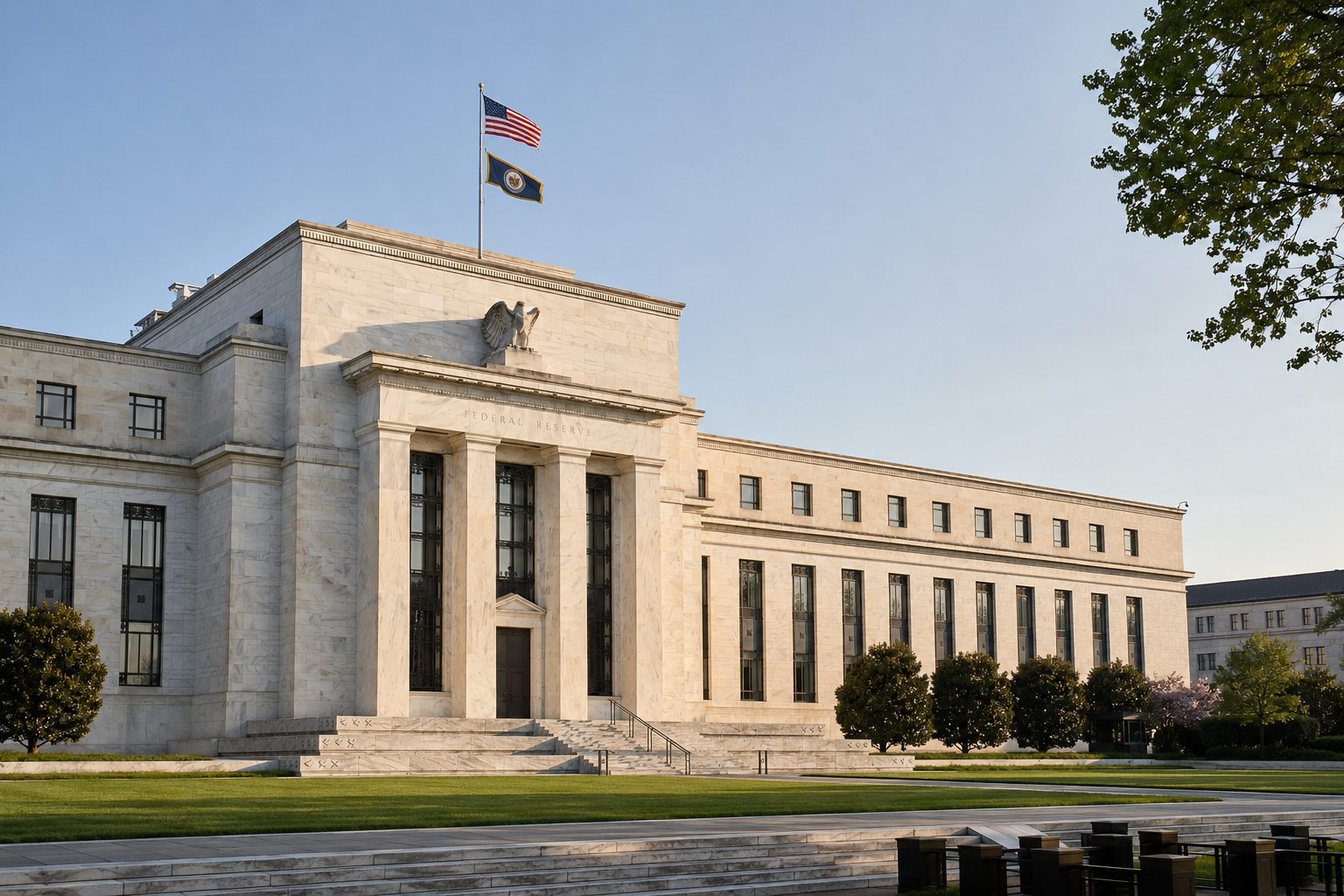
- The Bank of Japan decides on rates Tuesday and markets are pricing in a move up to 1.0%. Next up is the Fed, with its meeting on June 16–17.
Asian stocks head into June 16 with a firmer relief trade than last week, lifted mainly by oil moves. Reuters said the US and Iran have agreed to end their war, with a signing due Friday in Switzerland. The drafts call for reopening the Strait of Hormuz and dropping the US blockade on Iranian ports. Cheaper oil could give a lift to airlines, shipping, manufacturers and energy importers like Japan, India, and South Korea. It might also ease inflation a bit, which could help stock multiples.
Wall Street gains led Asia higher, but caution still hung in the air. The Dow closed at 51,202.26, S&P 500 finished at 7,431.46, and the Nasdaq ended Friday at 25,888.84. Oil prices fell, while SpaceX made its trading debut as a public company, helping lift indexes. “The SpaceX IPO is a barometer for overall risk appetite and the health of the market in general,” said Chris Zaccarelli at Northlight Asset Management. U.S. investors’ risk-on mood tends to support Asian tech, cyclical, and exporters at the open. Reuters
Deal’s still in limbo. Execution risk is on, keeping bulls at bay. Reuters says the details are still foggy, with nuclear talks expected to drag on for another 60 days. Israel is not involved in the U.S.-Iran agreement. Iran and President Donald Trump slammed Sunday’s Lebanon strike. If anything happens to shipping in Hormuz or fighting escalates, oil prices could spike fast. That puts pressure on costs, narrows margins, and adds new rate and stock risks.
Japan takes the spotlight Tuesday with the Bank of Japan expected to raise its policy rate to 1.0% from 0.75%, Reuters reported. That would put rates at the highest since 1995. Governor Kazuo Ueda is missing the meeting for medical treatment, so Deputy Governor Shinichi Uchida will handle post-decision comments. Saisuke Sakai from Mizuho Research Institute said Ueda’s absence “won’t affect the BOJ’s institutional decision” and the bank stays locked on inflation risk. Markets have already priced in most of the move. The thing for equities is how much the BOJ leans patient or signals any added tightening. Reuters
BOJ’s move is shaking up Japanese stocks in different ways. Banks may do better if rates go up, lending margins could widen. A stronger yen helps slow imported inflation. But if the yen jumps or bond yields rise, exporters and growth names could take a hit, with squeezed foreign profits and higher discount rates. Reuters said the yen is trading close to 160 per dollar, which could prompt some official action. That has traders watching the currency as closely as the BOJ’s rate call.
China’s weak credit data is still a headwind for the region’s bull case. May new yuan loans hit 520 billion yuan, missing the Reuters forecast for 550 billion. Household loans—including mortgages—fell again. Capital Economics said this is down to “a persistent lack of demand, rather than supply,” keeping credit growth sluggish. That’s still weighing on Hong Kong and mainland shares. While cheaper oil may help costs, it isn’t expected to drive property demand or bump up lending to households and private business. Reuters
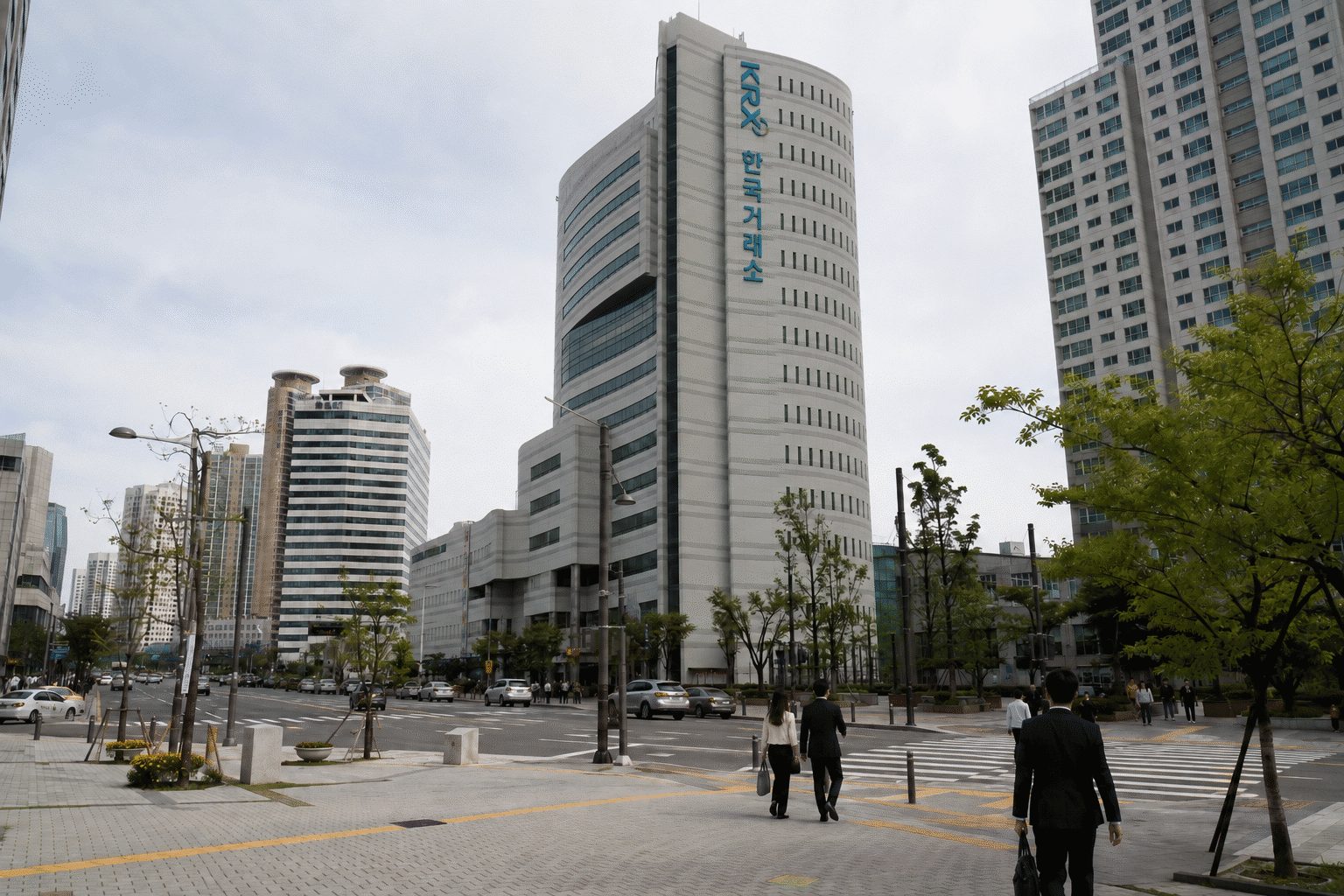
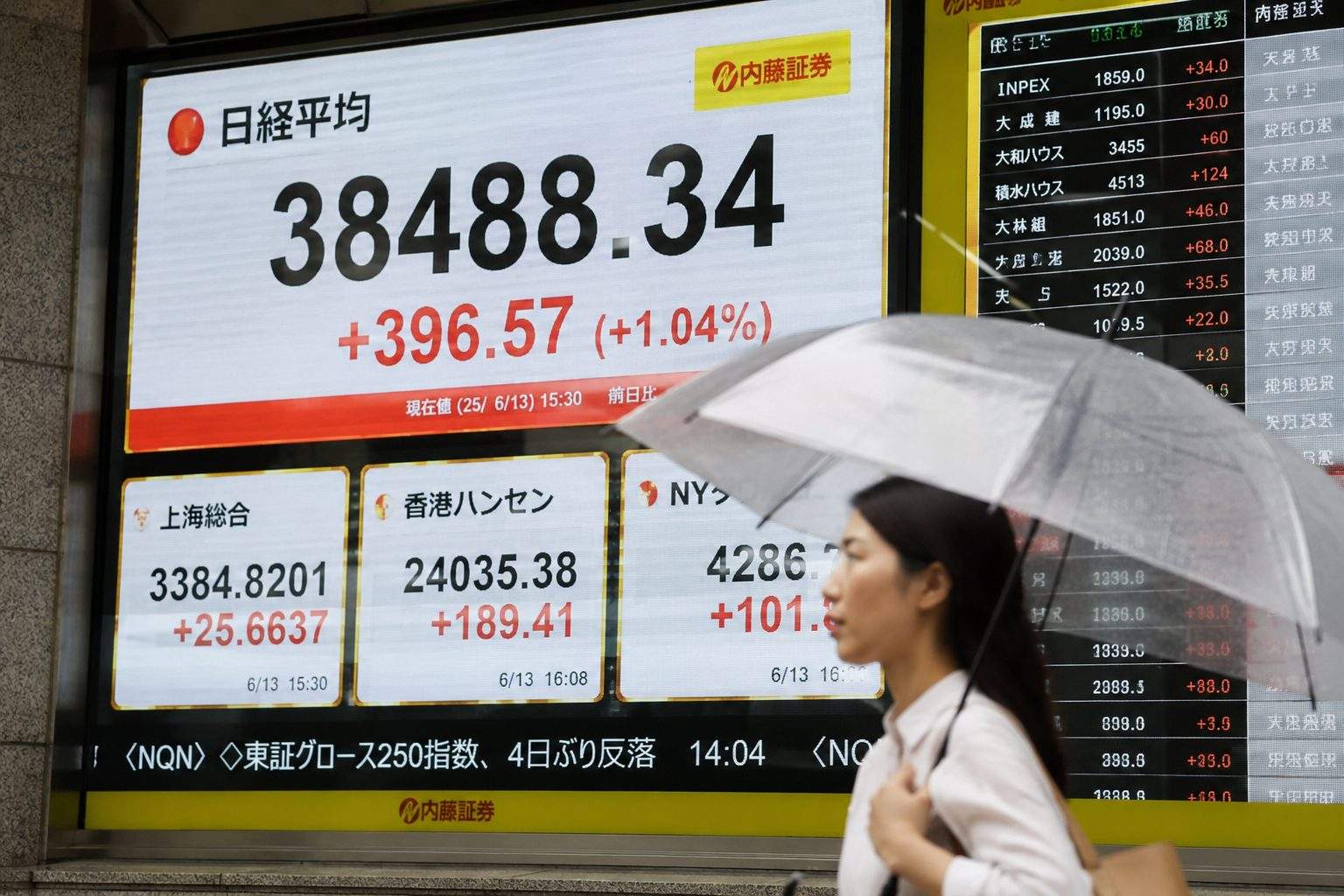
Asia stocks climbed ahead of Tuesday. The Nikkei 225 rose 2.81% to 66,020.04, Reuters reported. Hang Seng gained 1.93% at 24,718.10. Sensex added 2.30%. Shanghai closed 1.12% higher. Brent crude was still soft and the U.S. 10-year yield traded close to 4.483%. Relief showed up in equities, but with oil still weak and no moves from central banks, much of the optimism may be in the price already.
Bulls are looking for the U.S.-Iran deal to last, oil to stay cheap, guidance from the BOJ, and no surprises from the Fed at its June 16–17 meeting. That’s supposed to help Asian cyclicals, travel, tech, auto names outside China, and energy importers. Bears warn the deal could fall apart as soon as Friday, the Strait of Hormuz could get messy, the BOJ might get more hawkish, or the Fed might guide for rates to stay up. Right now, Asian stocks are in a short-lived bounce. For long-term money, valuations are already expensive or uncertain, the rally still hanging on geopolitics with China demand and central bank policy not settled.
Related articles: Stock Market