
MEXICO CITY, August 20, 2026, 20:05 CST —
- USD/MXN trading close to 16.96 reflects a firmer peso, even as the trend is being described as moving toward a weaker peso.
- Walmex reported a 3.6% increase in Central America revenue at constant currency, while revenue in pesos declined by 3.7%.
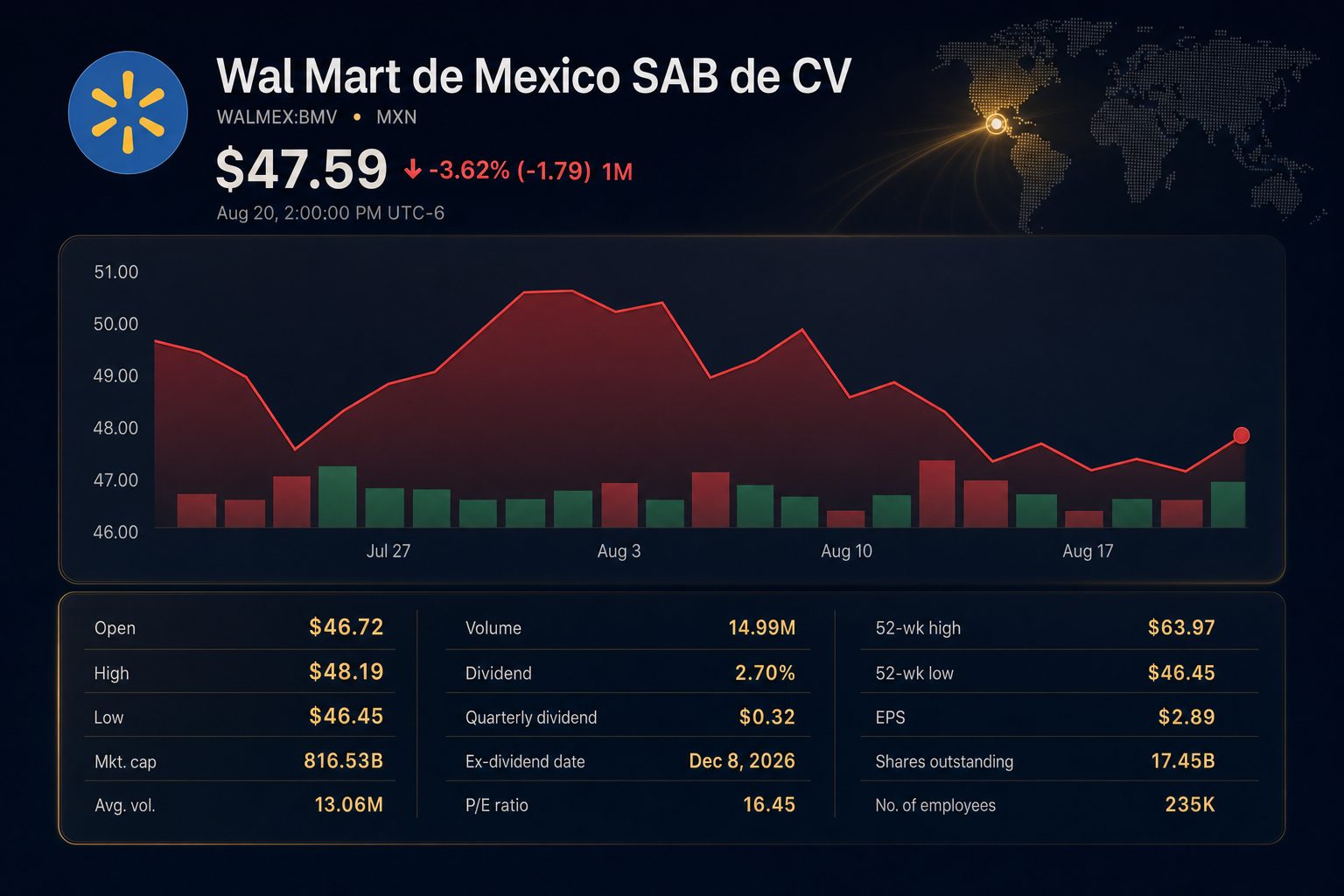
- WALMEX ended up 1.49% at 47.65 pesos, with analysts maintaining a Hold consensus.
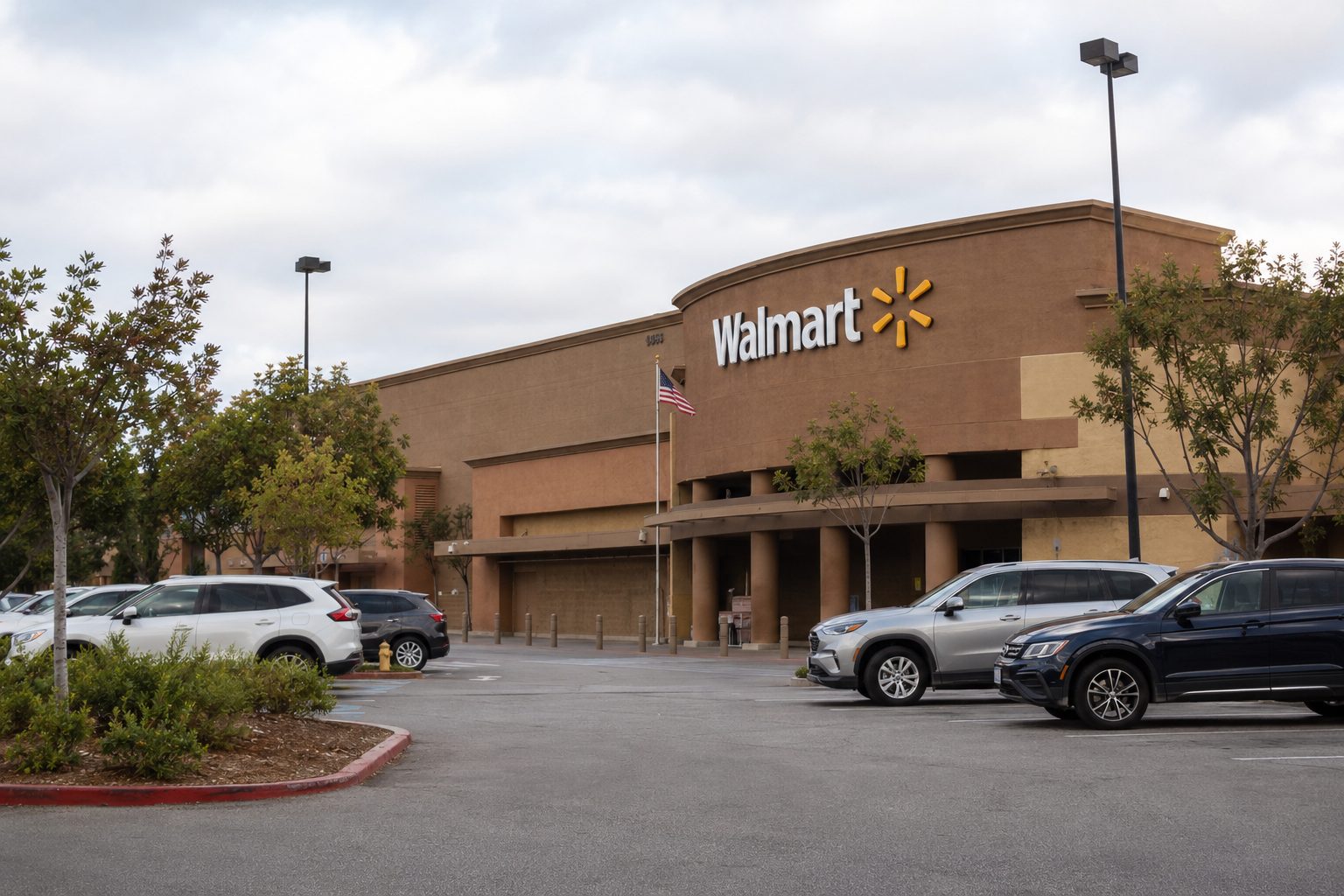
The Mexican peso’s move toward 16.96 per dollar is shifting the profit calculation for Wal-Mart de México, S.A.B. de C.V. BMV:WALMEX. A low USD/MXN rate points to a stronger peso, not a weaker one. Reuters said that the peso has risen almost 6% so far in 2026.
The decision gives Walmex a dual advantage. An appreciating peso lowers the cost of goods and technology priced in dollars within the local market. However, it also diminishes the peso-denominated value of revenue generated in Central America.
The impact of translation can already be seen. Walmex reported a 3.6% rise in second-quarter Central America revenue at constant exchange rates. However, when measured in reported peso terms, revenue declined 3.7%. The difference of 7.3 percentage points highlights the currency impact on present results.
| USD/MXN snapshot | Level | Change | Investor reading |
|---|---|---|---|
| August 19 close | 16.9540 | −0.65% | Peso gains |
| August 20 close | 16.9600 | +0.04% | Trades near recent trough |
| 2026 peso move | About +6% | Year to date | USD/MXN falls |
Banxico’s recent minutes provided backing for the peso but stopped short of indicating a clear direction. The central bank’s policymakers unanimously decided to maintain the benchmark rate at 6.5%, hinting at a likely extended pause. Headline inflation eased to 3.10% in the first half of July, as core inflation stood at 3.95%.
| Mexico macro gauge | Latest | Policy signal |
|---|---|---|
| Banxico rate | 6.50% | Pause expected to last |
| Headline inflation | 3.10% | Slowing |
| Core inflation | 3.95% | Remains over target |
| Target return | Q4 2027 | Pushed back |
The minutes show services inflation is still above 4%, curbing prospects for rapid rate cuts. This yield support can benefit the peso, but changes in global risk appetite could swiftly undermine it.
Walmex’s local business now benefits from a more favorable currency blend. Revenue in Mexico increased by 3.1% during the second quarter. Central America delivered real growth, but currency translation resulted in a reported decrease.
| Walmex 2Q26 indicator | Result | Change from a year earlier |
|---|---|---|
| Consolidated revenue | MXN 250.95 billion | +1.9% |
| Mexico revenue | MXN 209.19 billion | +3.1% |
| Central America revenue | MXN 41.76 billion | −3.7% reported / +3.6% constant currency |
| EBITDA | MXN 23.64 billion | +0.6% |
| Net income | MXN 11.15 billion | −0.7% |
Margins continue to pose challenges. EBITDA increased by just 0.6%, while the margin dipped by 10 basis points to 9.4%. CEO Cristian Barrientos said, “While consumption is still soft, we remain focused on what we can control.”
Management reduced its full-year outlook as consumer recovery was slower than anticipated. The company now forecasts constant-currency sales growth between 3.5% and 4.5%. The EBITDA margin is projected to end just under the prior year’s figure.
WALMEX finished Thursday’s session at 47.65 pesos, a gain of 1.49%. Trading volume totaled 14.99 million shares, ranking it as Mexico’s second-most-traded stock by value on TradingView. The market had closed at the time of reporting.
| Analyst measure | March 2026 | August 2026 |
|---|---|---|
| Strong Buy | 7 | 5 |
| Hold | 9 | 11 |
| Sell / Strong Sell | 2 | 2 |
| Consensus | Hold | Hold |
| Average price target | — | MXN 61.15 |
Analyst sentiment has turned more cautious since March. Two firms shifted their ratings from Strong Buy to Hold, while the number of Bearish calls was unchanged. The range of price targets is still broad, between 53 and 81 pesos.
Risks: A stronger peso could continue to weigh on Central America translation, despite growth in local sales. If the USD/MXN significantly rebounds, that could ease this impact but may make imported goods more expensive. Lower traffic in Mexico or increased price competition could further erode margin gains.
Friday’s trading and the upcoming week will reveal if investors prioritize domestic cost savings or concentrate on demand and currency translation. USD/MXN near 17.00, Walmex store traffic, and the 9.4% EBITDA margin remain key quantifiable indicators.
Related articles: Stock Market