Asian markets powered through holiday-thinned trading on December 25, 2025, with pockets of strength in Japan, South Korea, and mainland China helping keep a year-end rally alive—even as many exchanges across the region and in Europe stayed shut for Christmas or prepared for Boxing Day closures.
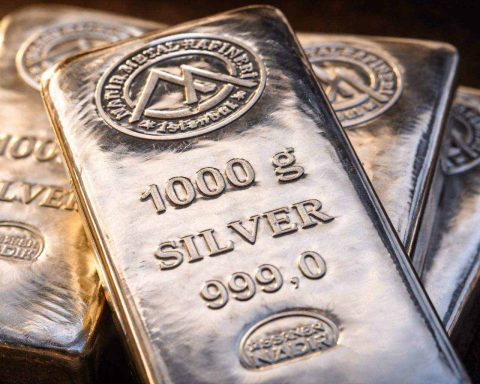
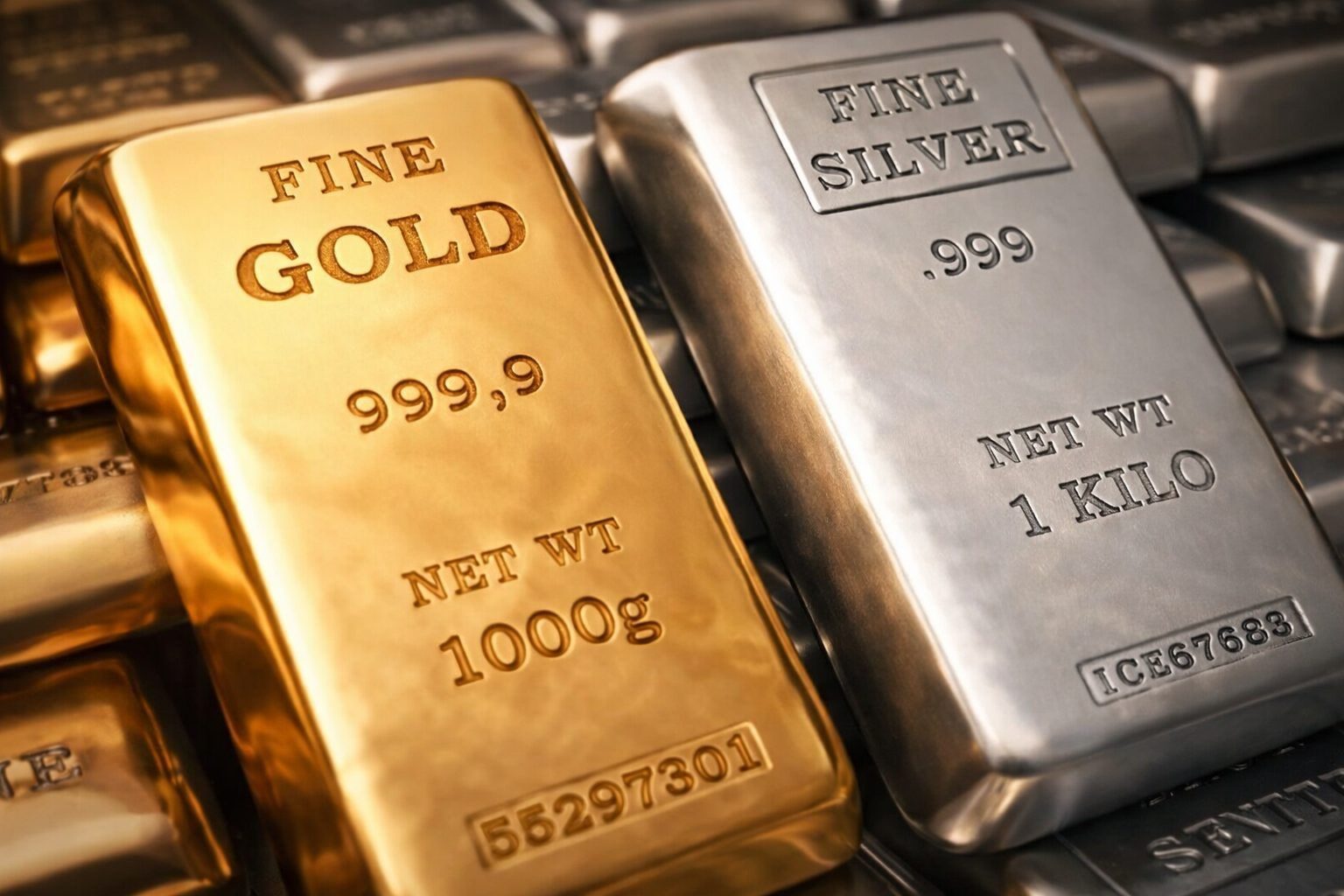
The bigger headline, however, was in commodities: gold pushed deeper into record territory above $4,500 an ounce and silver surged to fresh all-time highs, underscoring how investors are closing out 2025 with a strong appetite for both risk assets (stocks) and classic hedges (precious metals). Reuters
Below is the complete market picture from 25.12.2025, including the latest moves in Asia-Pacific equities, the precious-metals rally, the weaker U.S. dollar narrative, and the policy signals investors are watching heading into 2026.
Asia-Pacific markets: year-end optimism, but holiday liquidity rules the day
The defining feature of Christmas-week trading is thin liquidity—the kind that can exaggerate moves in both directions. With Australia and Hong Kong closed and large parts of Europe also out for the holidays, traders leaned on the open markets in Japan, South Korea, and China to set the tone. Reuters
In Japan, the rally broadened beyond a single sector story:
- Japan’s Topix touched a record high, rising about 0.5% in late-December trade. Reuters
- Separately, the Nikkei 225 edged higher in thin Christmas trading, up about 0.1% to 50,407.79, keeping its 2025 performance firmly positive. AP News
South Korea continued to stand out globally as one of 2025’s standout equity stories:
- South Korea’s benchmark index gained about 0.6% and was highlighted as the best-performing major stock market globally in 2025, with an annual gain around 72%. Reuters
Mainland China was also modestly higher, supported by policy messaging and year-end positioning:
- China’s CSI 300 blue-chip index was up roughly 0.27%, on track for an annual gain near 18%, its strongest since 2020. Reuters
- The Shanghai Composite rose about 0.5% to 3,959.62 in holiday-thinned trade. AP News
All of that fed into a broader regional measure: MSCI’s Asia-Pacific gauge rose to its highest since mid-November, capping a strong year for regional equities overall. Reuters
China policy watch: liquidity assurances help steady sentiment
Even on a quiet holiday session, policy signals mattered. Investors drew encouragement from messaging that China’s central bank would support financing and macro stability:
- The People’s Bank of China signaled it would ensure an adequate money supply to support financing, growth, and inflation goals, after earlier keeping key short-term lending rates unchanged. AP News
That steady-policy posture has become an important anchor for regional risk sentiment—particularly at year-end, when managers are often reluctant to take outsized new positions but still want exposure to upside if markets drift higher into the final sessions of 2025.
The AI trade remains the engine—though investors are watching valuations closely
Across 2025, the “AI-led rally” evolved from a single-theme surge into a broader market backbone—especially in tech-heavy benchmarks. That theme was explicitly cited as a key driver behind Asia’s strong year-end performance:
- Market commentary in Asian trading highlighted that the year’s gains were “largely” powered by AI-related stocks. The Times of India
The AI narrative also showed up in U.S. market action leading into Christmas:
- The S&P 500 hit an intraday record as investors rotated back into AI stocks and leaned into expectations that the Federal Reserve could cut rates again next year. Reuters
What investors are trying to answer now is not whether AI mattered in 2025 (it clearly did), but how durable the trade is into 2026. A Reuters analysis of year-end positioning pointed to a familiar trio of supports:
- AI spending, strong corporate profits, and the prospect of Fed rate cuts are widely viewed as key pillars for equity performance in 2026. Reuters
At the same time, the AI boom has become global enough that investors are looking for “second acts” beyond the most crowded U.S. names:
- Reuters reporting noted global investors increasing bets on Chinese AI companies, in part as a diversification play amid concerns of a speculative bubble in some parts of Wall Street’s AI complex. Reuters
Gold above $4,500 and silver at record highs: the year-end “metal markets” story
If Asian stocks told a year-end optimism story, gold and silver delivered a different message: investors are still paying up for protection against macro and geopolitical uncertainty—and they’re doing it aggressively.
In the latest holiday-week surge:
- Gold hit record levels, trading around $4,501–$4,503 per ounce in early Asian hours, after printing a fresh peak near $4,530.60. Reuters
- Silver climbed to $75 per ounce for the first time, with a session high near $75.14 reported in early trade. Reuters
Why are gold and silver exploding higher into year-end?
Several forces are converging—some cyclical, some structural:
- Rate-cut expectations: Lower interest-rate expectations tend to support non-yielding assets like gold. Reuters explicitly linked gold’s record move to safe-haven demand and expectations of further Fed cuts. Reuters
- Central bank demand and ETF flows: Analysts cited heavy central bank purchases and strong inflows into gold-backed ETFs as major tailwinds. Reuters
- Currency and debt concerns: Investors have been wary of currency debasement and rising global debt burdens—factors also flagged as part of the metals rally. Reuters
- Industrial demand for silver: Silver is not just a hedge; it’s also an industrial metal. Reuters pointed to both industrial and investment demand, alongside tightening inventories and geopolitical tensions, as catalysts. Reuters
The scale of 2025’s metals move is historic
One reason metals grabbed so many headlines is the magnitude of the year’s gains:
- Reuters reporting indicated gold was up about 71% in 2025, its strongest annual performance since 1979. Reuters
- The same reporting placed silver’s 2025 gain around 158%, an extraordinary run into year-end. Reuters
Even earlier in the holiday week, Asian-market coverage was already framing the metals surge as a defining late-December trend, with spot gold and silver printing successive records. The Times of India
Dollar weakness and the yen “intervention watch” return to center stage
Currency markets also reflected the same two-track mood: risk-on in equities, but caution underneath.
The U.S. dollar stayed under pressure as traders focused on the rate path and the Fed’s next leadership decision:
- The dollar index was positioned for its weakest weekly performance since July, in a week where investors weighed how many Fed cuts could arrive in 2026 and when they might start. Reuters
- Reuters market reporting said traders were effectively pricing in at least two Fed cuts in 2026, although not necessarily before mid-year, while the Fed’s own projections were more restrained. Reuters
A uniquely political variable is also looming over rates:
- Investors were watching for President Donald Trump’s decision on a Fed chair nomination to replace Jerome Powell, a development Reuters said could sway markets in the coming week. Reuters
Why the yen matters so much right now
Japan’s currency is once again a global macro pressure point because it links directly to three high-impact themes: export competitiveness, inflation pass-through, and intervention risk.
- Reuters noted the yen hovered around 156 per dollar and was on course for a weekly rise after sharp bouts of verbal warnings from Tokyo, keeping intervention risk in play. Reuters
- In earlier Asian trade, the dollar was seen slipping toward the mid‑155s while traders remained alert to the levels that have historically drawn official attention. The Times of India
Japan’s macro backdrop on Dec. 25: inflation cools, fiscal discipline messaging intensifies
While markets largely focused on year-end momentum, Japan delivered fresh macro details that matter for 2026 positioning.
Tokyo inflation slows, but remains above the BOJ’s target
Tokyo’s inflation print is closely watched as a leading indicator for national trends—and it arrived with a clear message: pressures eased, but not enough to end the tightening discussion.
- Tokyo core CPI (excluding fresh food) rose 2.3% year-on-year in December, slowing from 2.8% and coming in below market expectations cited by Reuters. Reuters
- A separate Tokyo measure that excludes fresh food and fuel increased 2.6%, still suggesting underlying price momentum that the BOJ tracks as more “demand-driven.” Reuters
- Reuters noted the data would be among the inputs for the BOJ’s January 22–23 policy meeting. Reuters
That matters because the BOJ has already been moving away from its ultra-loose stance:
- Reuters reiterated that the BOJ had raised rates to 0.75%, a 30-year high, signaling confidence in Japan’s progress toward durable 2% inflation. Reuters
Fiscal messaging: “record budget,” but capped bond issuance
On the fiscal side, Prime Minister Sanae Takaichi’s government tried to reassure markets that expansionary ambitions would not turn into unchecked borrowing:
- Reuters reported Takaichi emphasized fiscal discipline in the draft FY2026 budget, including a plan to cap new government bond issuance at 29.6 trillion yen and target a debt reliance ratio of 24.2%, the lowest since 1998. Reuters
Those assurances came as investors had grown uneasy about Japan’s long-term debt trajectory and its impact on yields and the currency:
- Reuters explicitly linked recent investor unease to record highs in super-long JGB yields and pressure on the yen. Reuters
A separate Reuters report highlighted how Japan’s debt-market management is already adjusting:
- Japan’s finance ministry planned a significant cut to issuance of super-long government bonds, reflecting sensitivity to rising yields and fiscal concerns. Reuters
What to watch next: thin liquidity, big narratives, and policy catalysts into 2026
As December winds down, markets are balancing two realities:
- Holiday liquidity can distort moves—meaning late-December rallies (or selloffs) can look bigger than they truly are. Reuters
- The “big 2026 narratives” are already trading: AI capex, rate cuts, currency politics, and the flight to hard assets.
Key near-term catalysts investors are tracking:
- U.S. rates and Fed timing: the market is still debating how quickly rate cuts could return in 2026. Reuters
- Fed leadership uncertainty: Trump’s upcoming decision on the next Fed chair is increasingly seen as a market-moving event risk. Reuters
- Japan’s January BOJ meeting: Tokyo inflation data and wage/price dynamics will shape expectations for the next move. Reuters
- China policy signals: liquidity and growth messaging remain central to risk sentiment across Asia. AP News
- Precious metals volatility: with gold and silver making historic moves, traders will be watching whether the rally consolidates or extends as the calendar flips. Reuters
For now, the December 25 market message is clear: equities are trying to finish 2025 strong, AI remains a structural driver, and gold and silver are pricing in a world where uncertainty—and demand for protection—hasn’t gone away. Reuters