
SAN FRANCISCO, May 1, 2026, 08:02 PDT
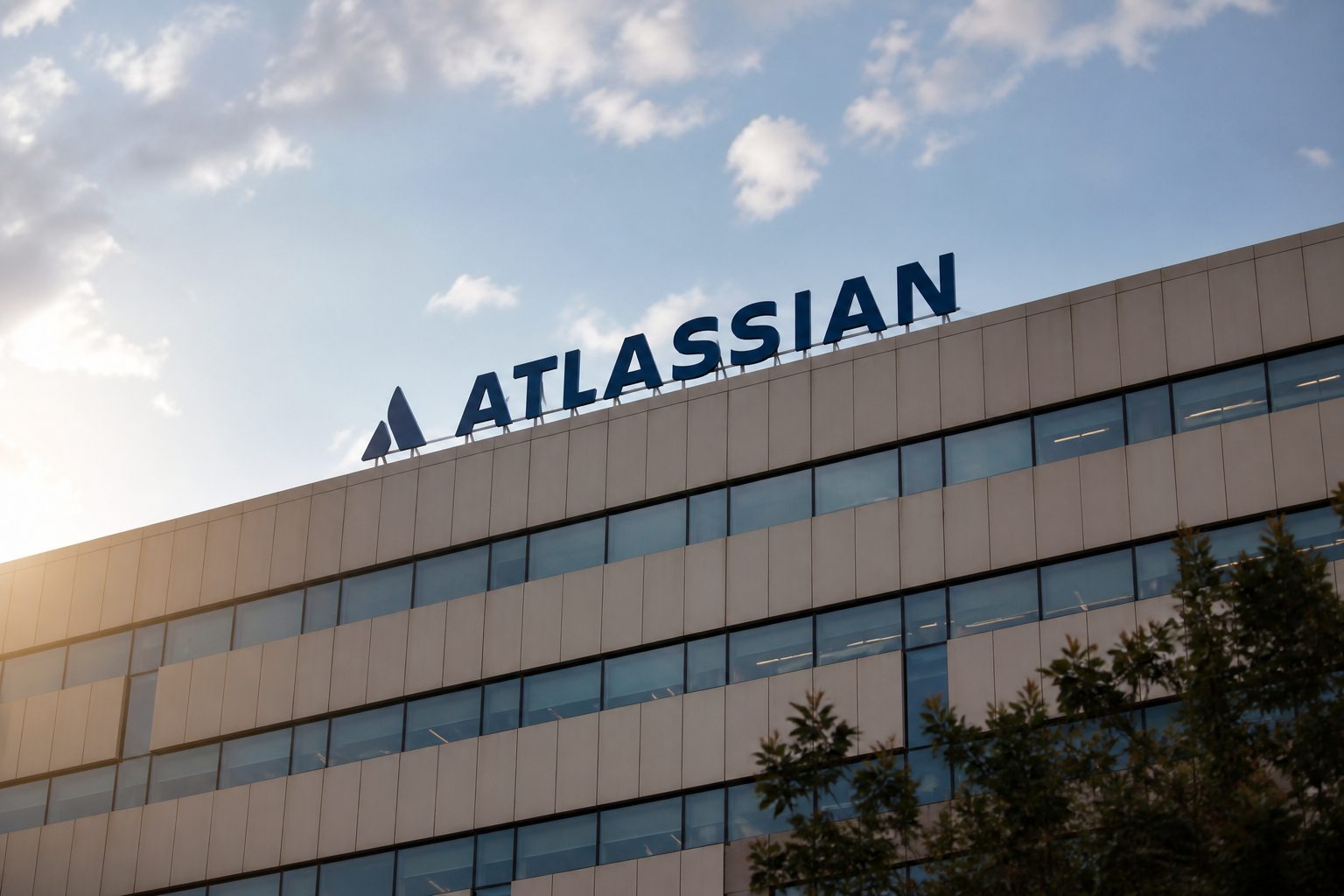
Shares of Atlassian Corporation surged roughly 22% Friday morning in U.S. trading, after the Jira maker topped quarterly expectations and boosted its full-year revenue outlook—easing concerns about AI weighing on workplace software demand. TEAM was last seen at $83.84, coming off a session high of $89.49.
This shift is notable, given that software-as-a-service names have struggled this year as investors fret over AI agents possibly taking over key functions inside paid tools. Twilio and Five9 both jumped post-earnings. Kate Leaman, chief market analyst at AvaTrade, described the action to Business Insider as “not the behavior of a sector in structural decline.” Business Insider
Atlassian posted third-quarter revenue of $1.787 billion, up 32% year over year. Cloud revenue climbed 29%, hitting $1.132 billion. CEO Mike Cannon-Brookes highlighted “bigger, longer-term commitments” from customers. CFO James Chuong cited growth in Jira seats and more uptake of AI features. Still, Atlassian logged a GAAP net loss of $98.4 million, including restructuring costs. Business Wire
Atlassian’s shareholder letter zeroed in on enterprise clients and AI adoption. Remaining performance obligations, which cover revenue under contract but not yet recorded, climbed 37% to $4.0 billion. The company also highlighted that its AI product, Rovo, is now pulling in millions of monthly active users, with customers using Rovo generating annual recurring revenue at nearly double the pace of those who aren’t.
During the earnings call, Morgan Stanley’s Keith Weiss described it as a “really solid Q3 print” and pushed execs on whether Atlassian’s Teamwork Graph might actually help bring down AI expenses. Cannon-Brookes responded, pointing out that the system taps fewer tokens—the text bits AI models chew through—to generate answers. Gregg Steven Moskowitz at Mizuho liked the outcome, labeling it “impressive,” but he cautioned there’s still “a lot more work to be done.” The Motley Fool
Atlassian’s latest quarter helped clarify concerns about seat counts. With seat-based pricing, fewer human users—think AI agents doing the work—can translate into thinner revenue. But according to Chuong, the strength in cloud came from more seats and better cross-selling, not migration bumps.
Wall Street sentiment took a turn for the better. BTIG bumped its price target on Atlassian up to $120 from $110. As of Friday, Allan Verkhovski at BTIG was showing a $120 target as well, according to analyst-rating data, but other recent targets were still scattered across a broad spectrum.
One wrinkle: Atlassian’s Data Center business—its on-premises solution for customers not all-in on cloud—could muddy the waters on reported revenue. According to MarketBeat’s readout from the earnings call, the recent March price adjustment and looming end-of-life shifts pulled forward roughly $50 million in upfront license revenue. That timing quirk might distort backlog and revenue visibility in future quarters.
Atlassian set its fiscal Q4 revenue outlook between $1.653 billion and $1.661 billion, landing right around the $1.659 billion consensus from Benzinga. So what’s next? The focus shifts to Jira seat expansion and Rovo adoption, now that Friday’s rally has had its say.