
MILPITAS, California, May 1, 2026, 08:03 PDT
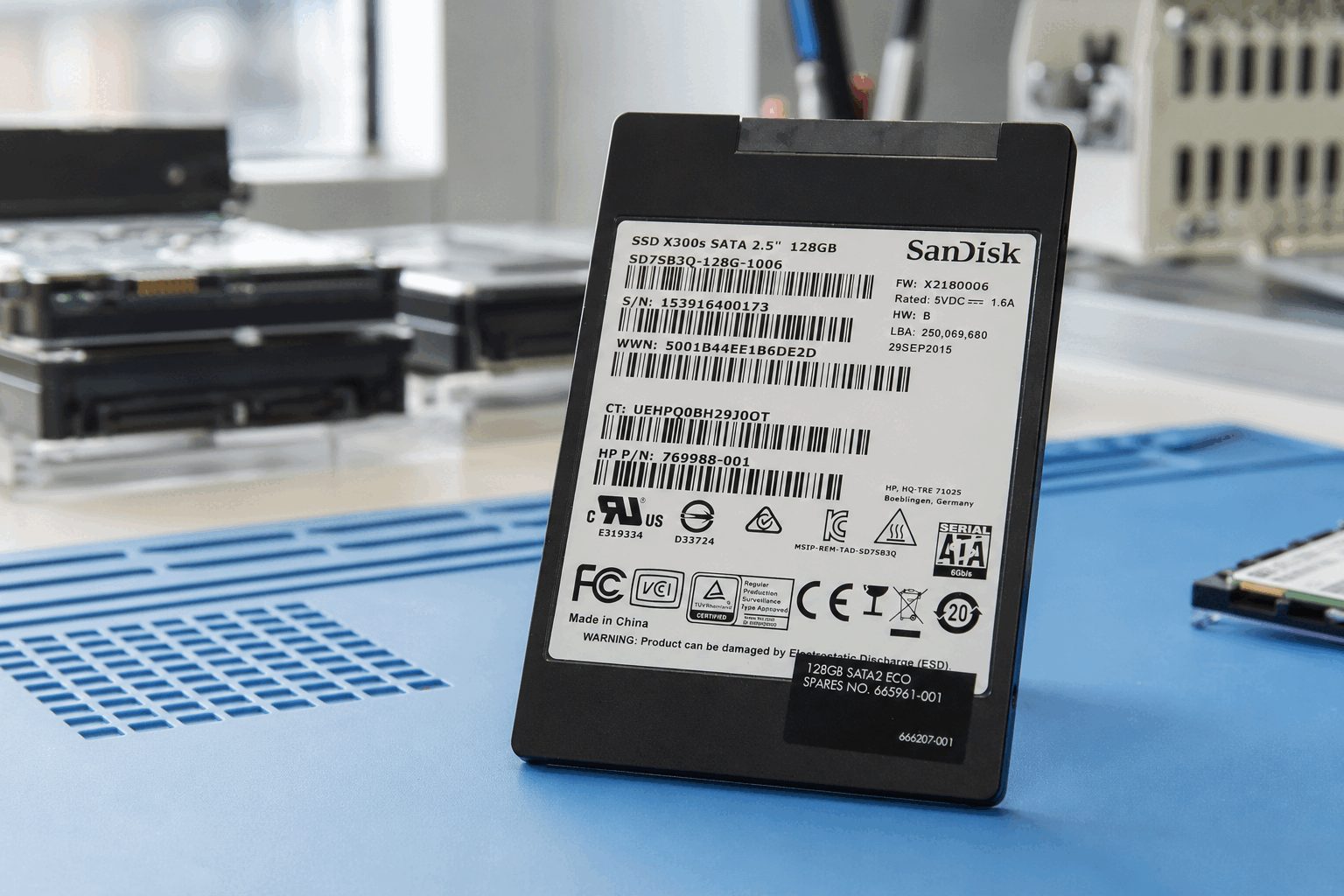
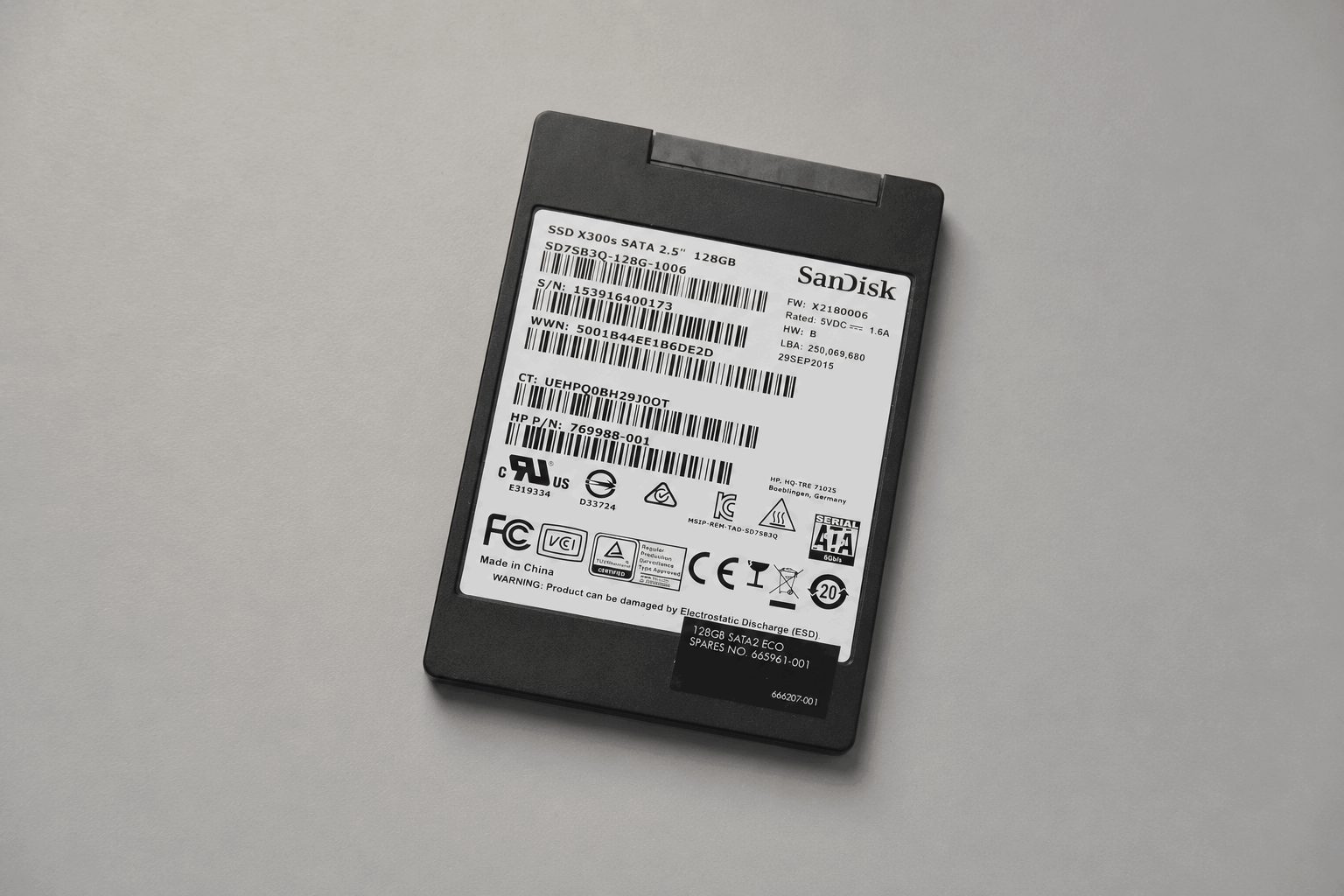
Sandisk Corporation rode rising AI storage demand to a robust quarter, topped analysts’ forecasts, and rolled out a $6 billion stock buyback—moves that push the now standalone memory-chip firm straight back into the data-center spotlight. Shares barely budged early Friday, after a dip in late trading.
The key issue: NAND flash—memory that retains info without power, found in solid-state drives—has shifted from its old, boom-bust device cycle and is now embedded in the AI infrastructure supply chain. Sandisk notes that clients are securing inventory as data centers chase quicker storage to handle bulkier AI jobs, from lengthy text to code and the model’s own scratch data.
Sandisk posted third-quarter revenue of $5.95 billion for the period ended April 3, leaping 97% from the previous quarter and up 251% year-over-year. GAAP net income hit $3.62 billion, or $23.03 per diluted share; adjusted EPS landed at $23.41. Data center revenue surged 233% sequentially, reaching $1.47 billion.
The company put out a fourth-quarter revenue outlook between $7.75 billion and $8.25 billion, with adjusted earnings targeted in the $30 to $33 per share range. Both figures easily top LSEG numbers from Reuters: $6.49 billion in revenue and $22.70 per share. This isn’t your standard memory-cycle forecast—management is signaling shifts in pricing, capacity, and the urgency from their buyers.
Chief Executive David Goeckeler described the quarter as a “fundamental inflection point,” noting Sandisk’s pivot toward “the highest-value end markets, led by Datacenter.” The company reported three new business model agreements last quarter and two so far in this one, aiming to smooth out revenue swings with multiyear customer commitments. Sandisk Corporation
On the earnings call, Chief Financial Officer Luis Visoso pointed out that three deals inked during the quarter lock in at least $42 billion in contractual revenue. Altogether, the five agreements to date come with over $11 billion in financial guarantees—$400 million of which shows up as prepayments on the balance sheet—and those contracts now account for upwards of a third of Sandisk’s bit supply for fiscal 2027.
“The memory market used to swing through boom-bust cycles,” Goeckeler told Reuters, with Sandisk now aiming for “consistent, predictable economics.” According to Reuters, the new contracts last anywhere from one to five years, setting price floors, price ceilings, and including penalties for customers who don’t take the supply they agreed to. Reuters
The report takes on fresh dimension with the buyback announcement. According to a securities filing, Sandisk’s board has signed off on a $6 billion share repurchase plan, tapping operating cash flow, and putting no deadline on it. The company mentioned in the filing that there’s no obligation to actually buy shares, and the authorization can be paused or dropped at any time.
Sandisk shares initially dropped over 6% following the results, according to Reuters, but have since steadied, recently printing at $1,096.44—little changed for the day, after swinging between $1,022.60 and $1,152.57. The stock’s prior gains on AI momentum have set tough expectations for every new report.
The report grouped Sandisk with Western Digital and Seagate, both of which flagged robust demand this week for storage hardware in AI-focused data centers. Unlike its peers, Sandisk leans on flash memory and enterprise SSDs instead of hard drives, so its fortunes track NAND pricing and supply more directly.
Supply chain dynamics are in play. Sandisk broke off from Western Digital back in February 2025, re-emerging as an independent flash-storage firm. By January, it had pushed its Yokkaichi partnership with Kioxia out to 2034, locking in $1.165 billion for manufacturing and supply commitments running through 2029.
Still, the new model faces its real test when the cycle turns. Should AI demand wane, NAND supply could outpace forecasts, or if clients start to resist the contract terms, the market will see whether these deals actually dampen memory’s usual volatility. Even Goeckeler admitted that earlier long-term memory contracts have unraveled when buyers came back to the table during slumps.
Related articles: NASDAQ:SNDK