
Sydney, 18 December 2025 (11:00am AEDT) — Australia’s share market edged lower late in the morning session, with the S&P/ASX 200 down about 0.3% to 8,568 points by 11am as technology stocks again took the brunt of selling.
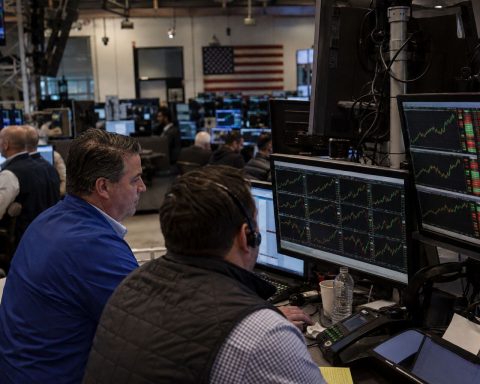
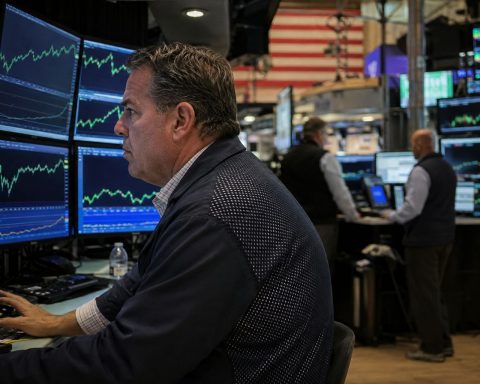
The weaker tone followed another overnight pullback in US equities led by Big Tech, as investors continued to reassess the cost and payback period of the AI buildout. In New York, the Nasdaq slid 1.81% and the S&P 500 fell 1.16%, with Oracle’s decline and broader “AI funding jitters” weighing on sentiment. Reuters
ASX 200 drivers this morning: global tech nerves meet local “rate-path” uncertainty
Two forces are shaping Thursday’s trade in Sydney:
- The “AI fatigue” spillover from Wall Street into ASX tech
Australian technology names have been under sustained pressure. In early trade, MarketIndex reported the tech sector was down for an eighth straight session, with notable decliners including NextDC (-4.5%), Life360 (-3.6%), Megaport (-2.5%) and Technology One (-2.0%). Market Index
That local weakness mirrors the offshore narrative: Reuters described fresh investor anxiety around AI spending, leverage and the “circular” funding relationships inside the sector—concerns that hit US tech again overnight. Reuters+1
- A shifting interest-rate debate after Australia’s MYEFO inflation upgrade
The macro backdrop has also turned more complicated. In the federal government’s Mid-Year Economic and Fiscal Outlook (MYEFO), Treasury lifted its inflation forecast to 3.75% for the year to June 2026, up from 3% in March—citing a recent price surge and the risk that services and new-dwelling inflation may prove stickier.
That matters for equities because it feeds directly into how markets price the Reserve Bank of Australia’s next move—and therefore the valuation debate around banks, property-linked stocks and long-duration growth names.
Where markets were before the bell: AUD softer, gold higher, oil rebounding
By around 8:00am AEDT, ABC’s market snapshot flagged a softer Australian dollar and firm commodities: the AUD was near 66.04 US cents, spot gold around US$4,374/oz, Brent crude around US$60.39/bbl, and iron ore around US$103.60/t.
Overnight, Reuters also reported silver hit a record above US$66/oz and oil rebounded after US President Donald Trump ordered a “blockade” of sanctioned oil tankers entering and leaving Venezuela—an event that helped lift energy prices and revive safe-haven demand. Reuters
In Australia, that oil bounce is notable because energy was one of the drags on the market in the prior session when crude fell sharply.
What happened yesterday (17 December): ASX 200 down for a third straight session
Wednesday set the tone for the week’s cautious risk appetite. The ABC market blog reported the ASX 200 slipped 14 points (0.2%) to 8,585, weighed by healthcare, energy and consumer staples.
At lunchtime on Wednesday, the same blog noted the market was already down about 0.3%, with sector performance uneven and several large decliners across defensives and cyclicals.
Today’s headline company moves and market-sensitive news (18 December)
Thursday’s session isn’t just about macro and tech. Several major corporate and regulatory headlines are also influencing positioning.
ANZ: second “strike” as shareholders revolt on pay
ANZ’s annual general meeting delivered a clear signal of shareholder frustration. Reuters reported 32.36% of proxy votes opposed the remuneration report—above the 25% threshold that constitutes a “strike”—and the bank has now recorded a second strike. Reuters
Chair Paul O’Sullivan said CEO Nuno Matos proposed forgoing his short-term bonus this year, even though some issues pre-dated his arrival. Under Australia’s “two strikes” rule, a second consecutive strike can trigger a vote on whether to spill the board. Reuters
Why it matters for the ASX 200: big banks are core index weightings, and governance shocks can move sentiment quickly—especially when the broader market is already skittish about the 2026 rate path.
Bendigo and Adelaide Bank: APRA capital add-on and AUSTRAC enforcement investigation
Regulators escalated action against Bendigo and Adelaide Bank on Thursday. AUSTRAC and APRA jointly announced measures responding to deficiencies identified in an independent Deloitte review into suspected money laundering at a branch the bank reported to AUSTRAC.
Key measures include:
- a requirement for Bendigo to conduct a root-cause analysis extending beyond AML/CTF into wider non-financial risk management,
- an operational risk capital add-on of $50 million, and
- an AUSTRAC enforcement investigation into compliance with the AML/CTF Act.
Reuters reported Bendigo shares slipped as much as 3.2% to an eight-month low after the announcement.
Netwealth: $100m+ compensation deal after First Guardian collapse
In wealth management, Netwealth moved into the spotlight. ASIC confirmed Netwealth agreed to pay over $100 millionin compensation to more than 1,000 Australians affected by the collapse of the First Guardian Master Fund, and that compensation is due by 30 January 2026 under a court-enforceable undertaking.
Reuters added that Netwealth estimates the compensation at A$101 million, expects about a A$71 million impact to net profit after tax, and will record the remediation as an extraordinary expense in 1H FY2026.
Why it matters for markets: beyond the direct earnings hit, the story is being read as a broader signal about platform gatekeeper obligations—and the potential for follow-on scrutiny across the sector.
Woodside: CEO Meg O’Neill to lead BP; succession focus intensifies
In energy, Reuters reported BP appointed Woodside CEO Meg O’Neill as its next chief executive effective 1 April 2026, following an abrupt exit by BP’s Murray Auchincloss.
ABC’s market coverage said Woodside named Liz Westcott as acting CEO and highlighted analyst commentary pointing to multiple internal candidates as the board weighs succession options.
What investors watch next: whether Woodside’s project execution and capital discipline narrative remains intact through the leadership transition—especially as energy markets swing between demand concerns and geopolitics.
Star Entertainment: control tightens after executive shuffle
Away from the ASX heavyweights, Reuters reported Bally’s and the Mathieson family tightened control of Star Entertainment, installing Bruce Mathieson Jr as CEO and Bally’s chair Soo Kim as chairman. Reuters noted Star shares jumped to a three‑month high in the wake of the reshuffle.
RBA outlook: “higher-for-longer” talk returns as bank economists pivot
The MYEFO inflation revision is pushing forecasters to reassess how restrictive policy needs to remain.
- Reuters reported that while the RBA cut rates three times in 2025 to 3.6%, the recent inflation spike has forced policymakers to warn hikes might be needed next year, and some major banks now expect an RBA hike in February 2026.
- Westpac Economics, meanwhile, said it has revised its outlook to an extended hold through all of 2026, arguing inflation may cool in 2026 but not fast enough to soften the RBA’s risk stance; under its broader forecasts, cuts are still seen as feasible in February and May 2027.
Market implication: if investors price fewer cuts (or a higher probability of hikes), that can pressure “long-duration” growth stocks—one reason tech can be hit twice: once by offshore sentiment, and again by local discount-rate math.
What to watch into the afternoon: three catalysts likely to set the tone
- ASX tech’s ability to stabilise
With the sector sliding for days and key names again among the worst performers early, investors will watch whether buyers step in—or whether “sell the rally” remains the play. Market Index+1 - Banks and governance headlines
ANZ’s second strike puts executive pay, accountability and board stability firmly back on the radar—often a catalyst for broader sector repricing even when fundamentals are unchanged. - Regulatory spillover risk
Bendigo’s capital add-on and AUSTRAC enforcement investigation are highly specific, but markets often extrapolate: tighter expectations on non-financial risk management can lift compliance costs and compress returns across affected institutions.
This report describes market moves and public information as of around 11:00am AEDT on 18 December 2025 and is not financial advice.
Related articles: Stock Market