
Sydney, April 21, 2026, 19:21 AEST
Tuesday’s session saw Australian shares finish just shy of unchanged, the S&P/ASX 200 down 3.9 points at 8,949.40—barely a 0.04% slip—as investors hesitated ahead of the next phase in U.S.-Iran talks. Rio Tinto’s gains, helped by a stronger production update, couldn’t lift the wider market.
The pause is notable, with the benchmark still hovering around record highs but not managing a decisive move past 9,000. IG market analyst Tony Sycamore pointed out the ASX 200 looked set to notch a ninth consecutive session stuck within a narrow 100-point band—holding above support at 8,900, but finding little momentum to break through 9,000 resistance. Sycamore also flagged the potential for “early fireworks” when trading opens Thursday, as the ceasefire expiry looms. IG
Global cues were mixed. Equities faltered amid skepticism about U.S.-Iran negotiations happening before the current two-week truce runs out. Some downside was cushioned offshore by flows linked to artificial intelligence investments. Brent crude hovered near $95 a barrel, Reuters noted, while the Aussie dollar slipped to roughly $0.715 during the session.
Defensive stocks picked up some slack. Consumer staples—often a port in a storm for investors—added 0.69%. Industrials, real estate, and tech names joined the move higher. Energy lagged the most, off 0.89%. Shares in Beach Energy slipped 2.5%, Woodside Energy gave up 1.8%, and Santos shed 1.5%. As for financials, results landed on both sides: ANZ and Commonwealth Bank ended lower, while Westpac and National Australia Bank finished ahead.
Moves below the index were more pronounced. DroneShield surged 6.09%, Codan tacked on 4.27%, and Yancoal climbed 4.09%. On the downside, HUB24 plunged 8.56%, Contact Energy slipped 3.36%, and MFF Capital Investments shed 3.35%. Despite that, gaining stocks outpaced losers on the Sydney exchange, blunting the drop in the main index.
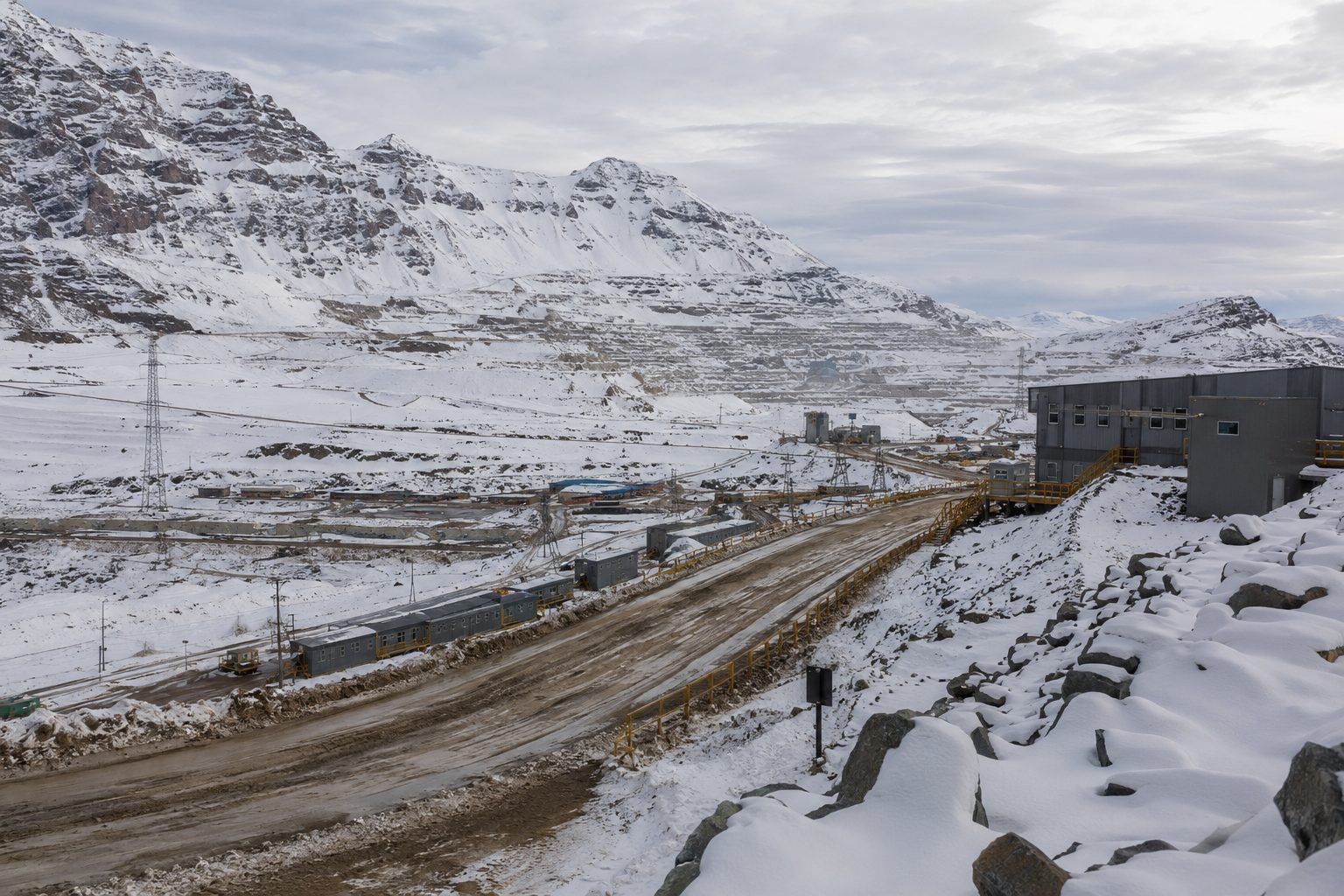
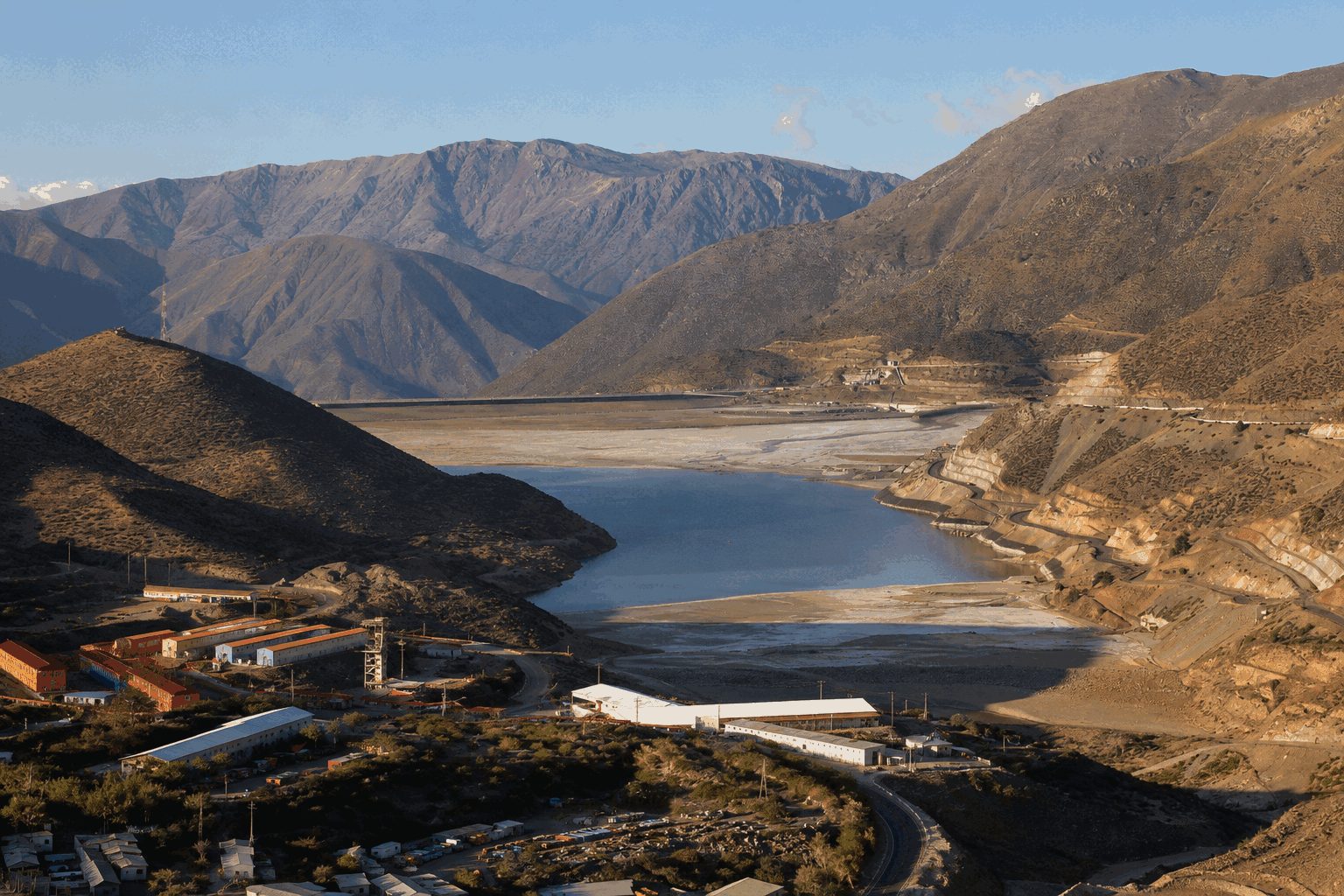
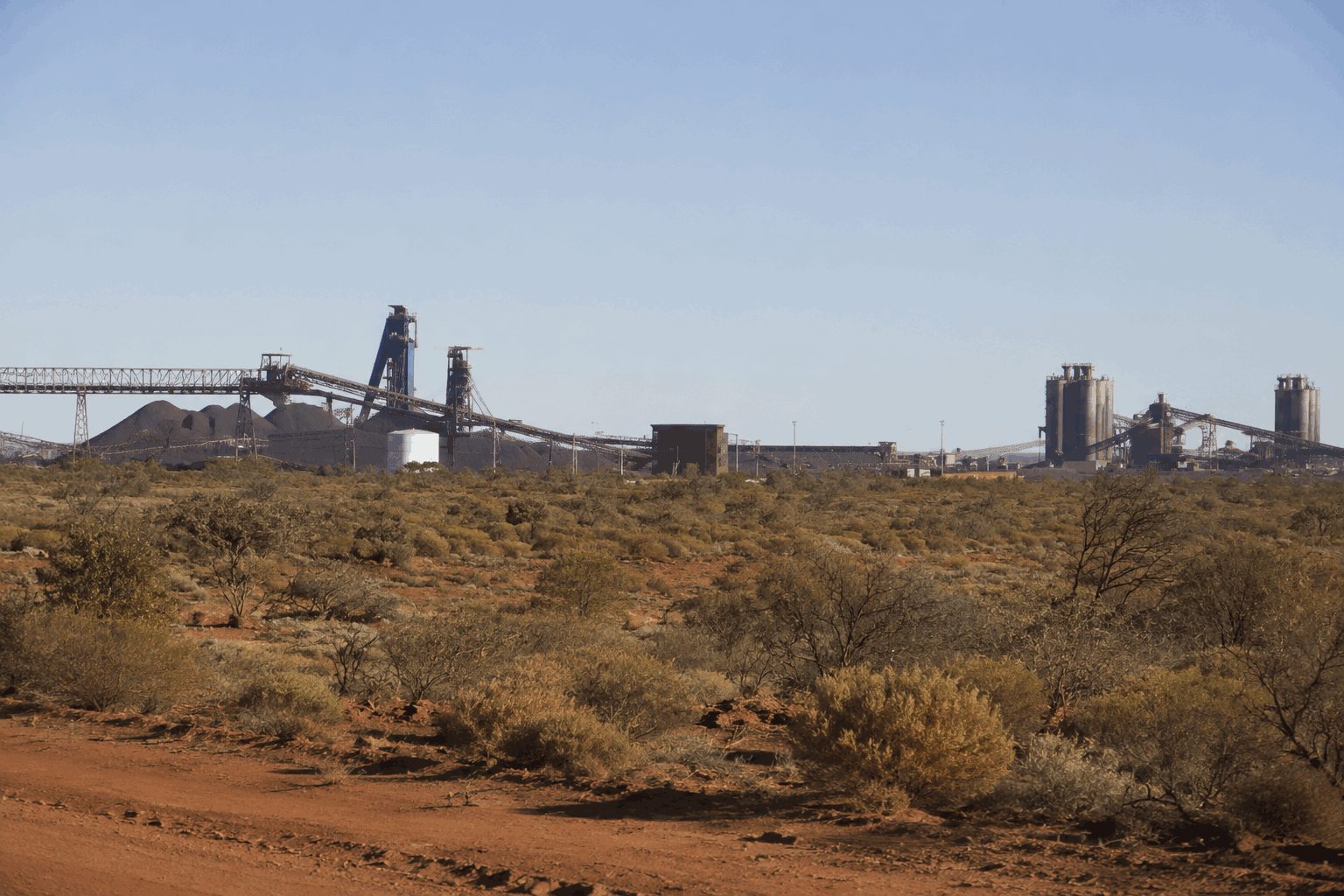
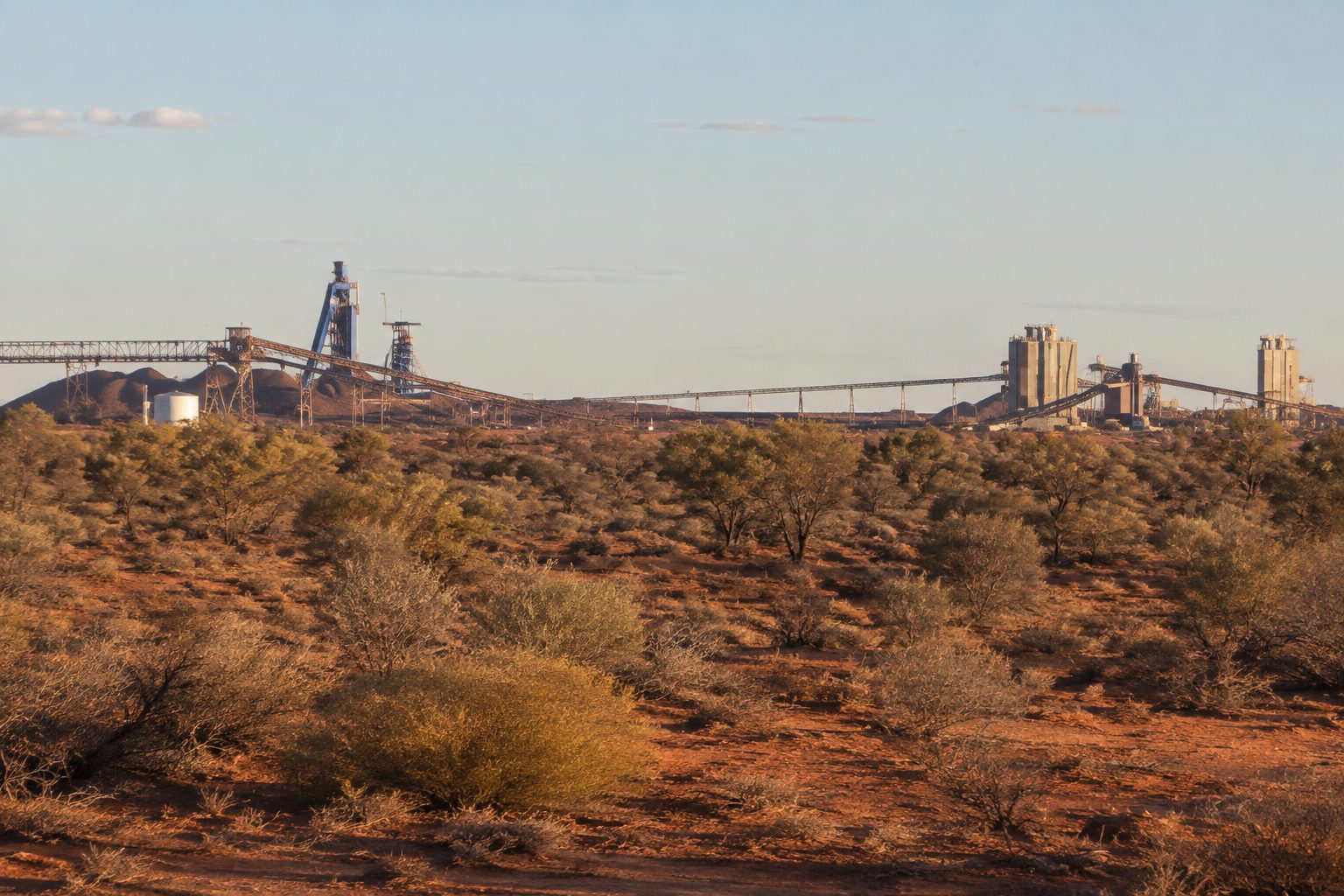
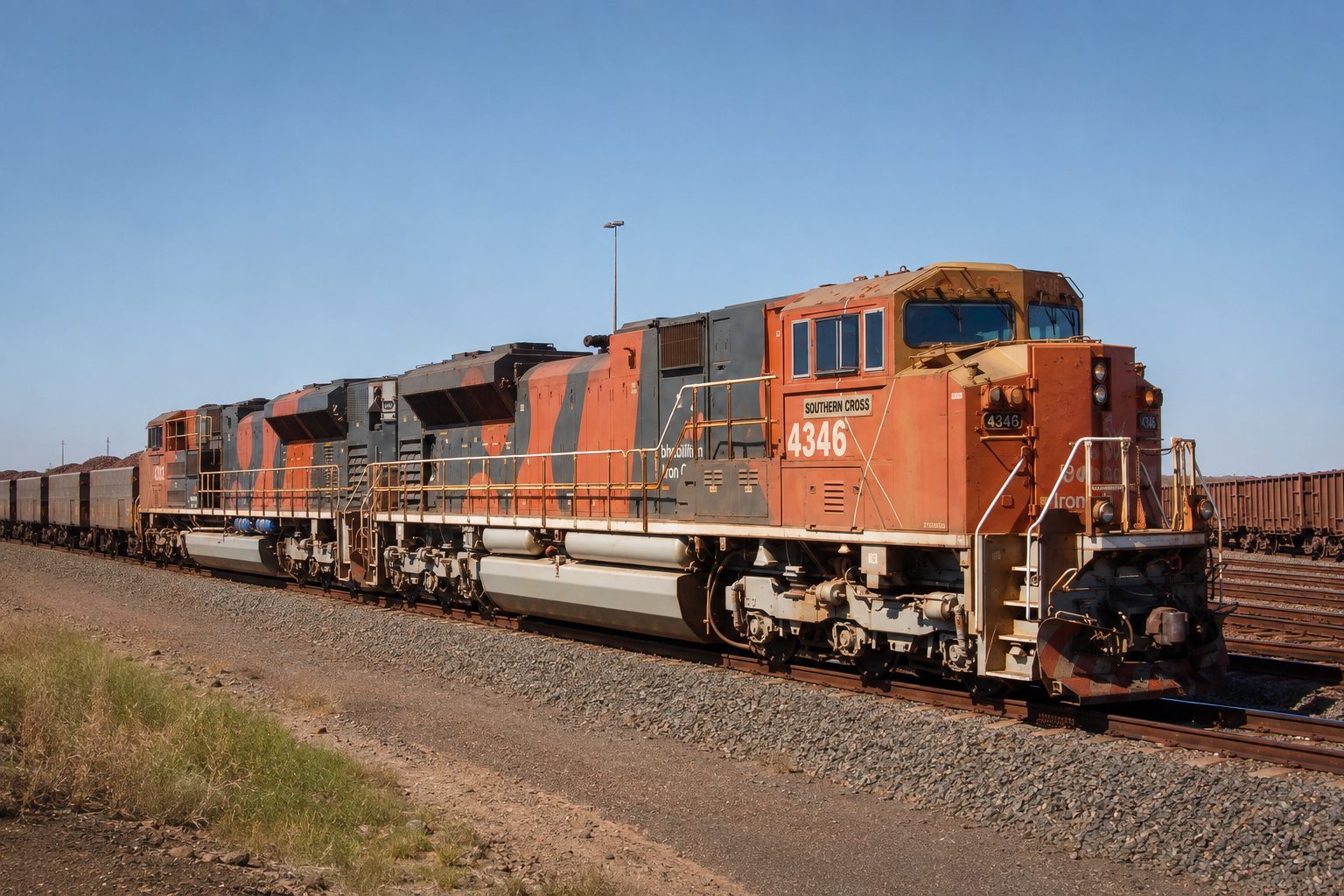
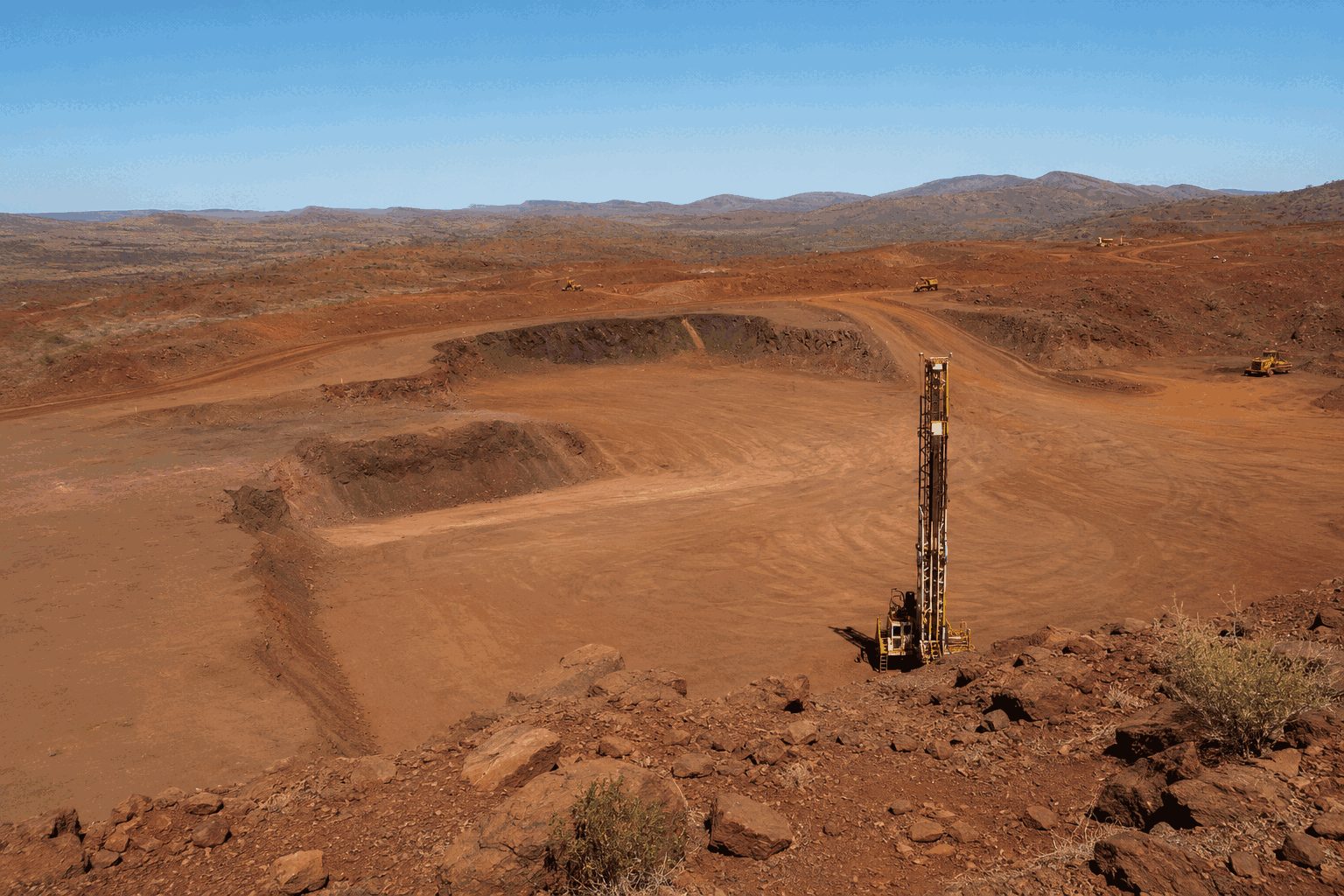
Shares of Rio Tinto gained ground after the miner posted a 9% jump in first-quarter copper-equivalent output compared to a year ago, converting all metals into copper terms. Chief Executive Simon Trott credited the results to “operating excellence.” Pilbara iron ore output reached 78.8 million tonnes, marking a 13% rise, with sales from the region hitting 72.4 million tonnes, up 2%. riotinto.com
Still, Rio flagged a caution in its update. The company said direct effects from the Middle East conflict have been limited so far, according to Reuters. But Baden Moore, who oversees resources and energy research at CLSA Australia, pointed to jet fuel and diesel shortages as the “key risk” for operations in the back half of the year. Reuters
That risk is bumping up against shaky sentiment on the ground. According to ANZ, Australian consumer confidence dipped by 0.2 points last week, landing at 64.3—making it the fourth-lowest figure in records stretching back to 1973. Inflation expectations weren’t any brighter, ticking up to 7.1%. Higher fuel prices and lackluster confidence are set to drag on spending, said ANZ economist Sophia Angala.
Nothing particularly wild across the broader market. The All Ordinaries nudged just 0.03% higher to finish at 9,177.2, with the Small Ordinaries up 0.62%. The All Technology index posted a 0.31% lift. Pressure, then, was mostly isolated. The Australian dollar slipped 0.18% to $0.7165.
The Australia stock market sits in a holding pattern, searching for its next spark. According to a Pakistani official speaking with Reuters, the ceasefire deadline lands at 8 p.m. Eastern on Wednesday—10 a.m. Thursday Sydney time—just as the ASX gears up. That timing could put fresh diplomatic headlines front and center as trading gets underway.
Related articles: ASX:CBA