
London, April 21, 2026, 11:43 BST
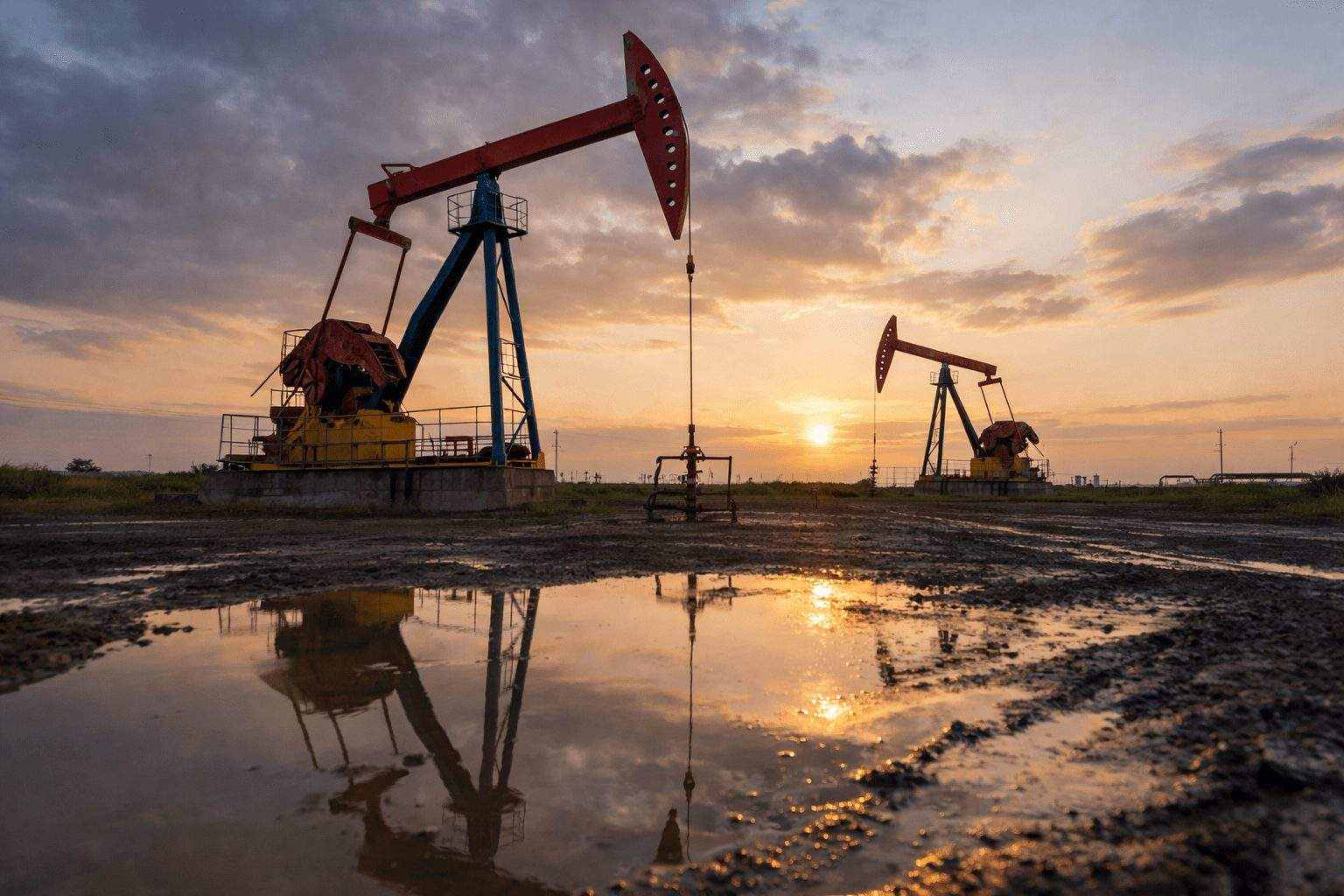
Oil gave up ground Tuesday. Brent crude slid under the $95 mark—off 69 cents to $94.79 a barrel by 0955 GMT—as hopes for U.S.-Iran peace talks seemed to matter more to markets than the Strait of Hormuz’s latest snag. U.S. West Texas Intermediate for May shed $1.12, or 1.3%, down at $88.49, and the June WTI contract edged 16 cents lower to $90.27.
This shift lands just one day after a hefty jump in prices. Brent surged 5.6%, while WTI shot up 6.9% on Monday, spurred by Iran’s renewed closure of the Strait of Hormuz and the U.S. seizure of an Iranian cargo vessel amid its blockade of Iranian ports, according to Reuters.
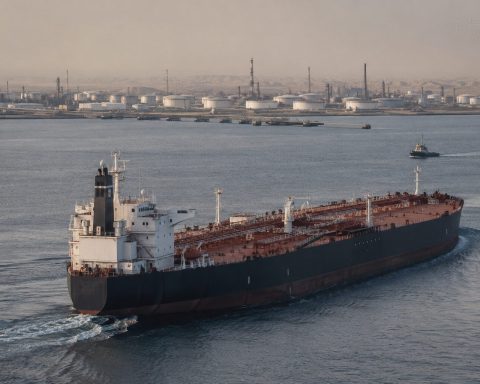
The Strait of Hormuz is more than a routine maritime route. Around 20 million barrels per day of crude and oil products passed through in 2025, the International Energy Agency noted—about a quarter of global seaborne oil trade. Workarounds to avoid the strait are still few and far between.
Screens stayed red into late morning. Brent slipped 1.34% to roughly $94.20 a barrel, according to Trading Economics. Crude hovered near $86.22, off 1.37% for the day; gasoline also edged down, while heating oil barely moved.
At this point, it’s a diplomatic play. PVM Oil Associates analyst Tamas Varga said the market expects “at least an extension” of the ceasefire as the deadline looms, but Iran still hasn’t committed to joining the talks. Iranian Foreign Minister Abbas Araqchi accused the U.S. of “continued violations of the ceasefire,” saying that’s what’s holding back more negotiations. Investing.com
That’s the vulnerable spot. According to the IEA, global oil supply fell by 10.1 million barrels per day in March, down to 97 million bpd, after the Middle East disruption—the largest supply hit on record, they said. The agency also slashed its demand outlook for this year, a steep drop from its forecast just a month earlier.
The U.S. is stepping in to cover some of the shortfall. Kpler data, quoted by Reuters columnist Clyde Russell, show American crude exports hitting 5.44 million bpd in April and 5.48 million bpd in May—both tracking as record highs. Even so, shipments heading to Asia aren’t enough to make up for the Middle Eastern barrels cut off by Hormuz disruptions.
The U.S. official forecast still points to tightness. According to the Energy Information Administration, Iraq, Saudi Arabia, Kuwait, the UAE, Qatar and Bahrain idled 7.5 million barrels per day of crude in March, with shut-ins expected to climb to 9.1 million bpd for April. The agency sees Brent spot prices topping out at $115 a barrel in the second quarter, then slipping as more supply comes back online.
Fatih Birol, who heads the IEA, called it the “biggest crisis in history” in remarks to France Inter radio, pointing to fuel and gas pressures piling on top of earlier supply disruptions linked to Russia. Back in March, the agency responded by approving the release of an unprecedented 400 million barrels from strategic reserves, aiming to rein in soaring prices. Reuters
Risk isn’t one-sided here. Citi researchers warn that, even with a ceasefire extension and Hormuz flows bouncing back by the end of June, global crude and product inventories might still shrink by roughly 900 million barrels. Should supply snags drag on for another month, they see Brent climbing close to $110 in the second quarter. Double that disruption—stretch it to two months—and prices could head for $130.
Hormuz reopening doesn’t guarantee a swift return to standard trade. According to Reuters, hurdles like tanker insurance, freight costs, ship supply, and owners’ appetite for risk could all drag out the process. Right now, the Gulf holds about 260 loaded vessels—close to 170 million barrels of oil are sitting on those ships.
Next up: U.S. inventory data, with traders watching for the Energy Information Administration’s weekly release. Last week’s numbers showed a drop in crude, gasoline, and distillate stocks, thanks to lower imports and higher exports. Varga weighed in, noting that if exports keep climbing, it “could provide renewed support” for prices. channelnewsasia.com
Related articles: Energy Markets