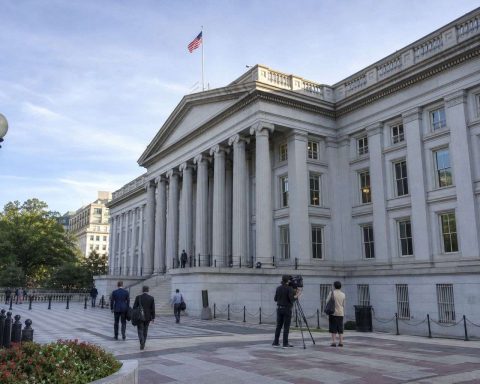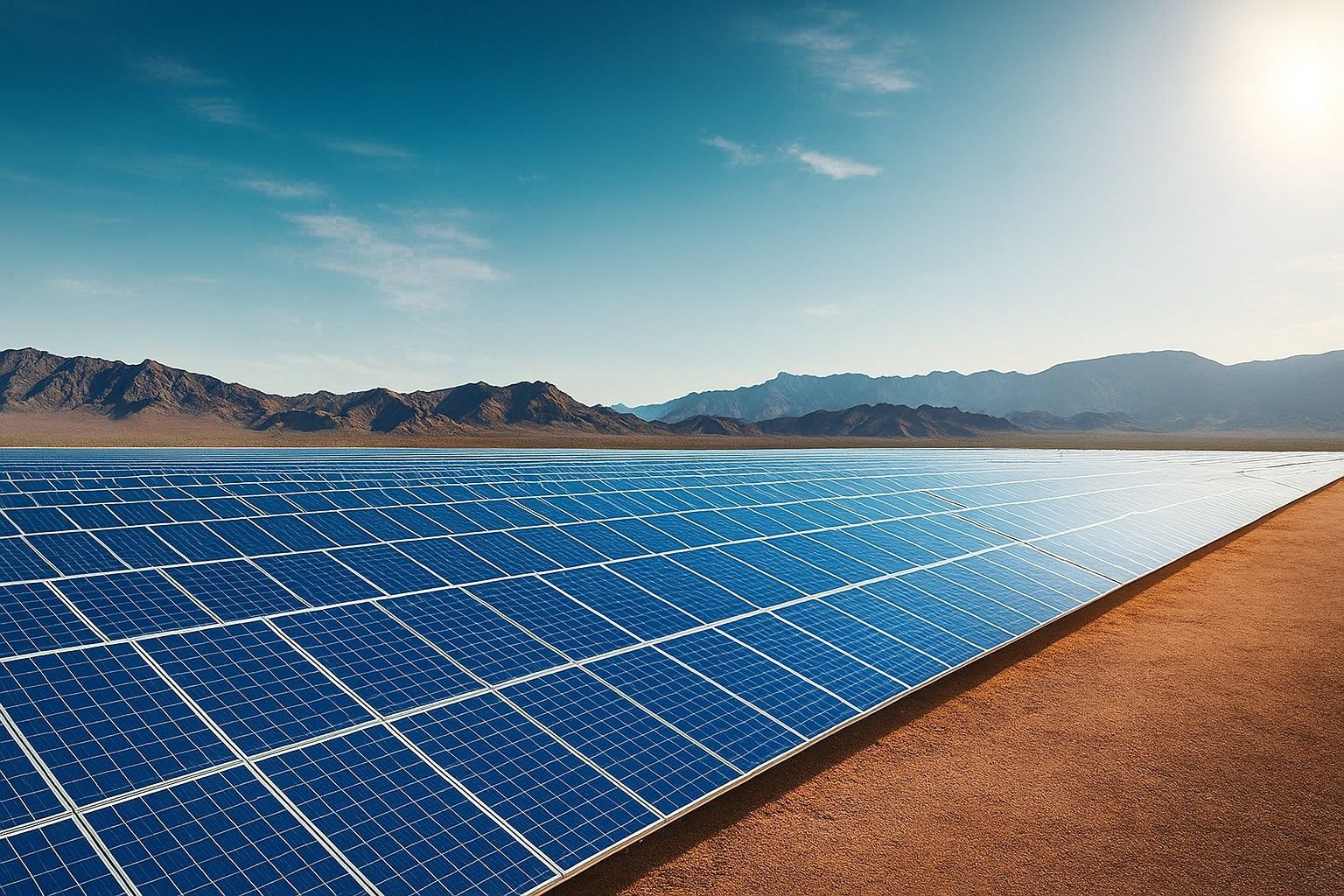

- Solar Sharer Scheme: From July 2026, new law forces energy retailers in NSW, South Australia and south-east Queensland to offer three hours of free solar-generated electricity every day to households (via the Default Market Offer)minister.dcceew.gov.aupv-tech.org. Customers need a smart meter and must opt into the plan, but they do not need rooftop panels to qualifytheguardian.compv-tech.org.
- How It Works: The “free power” window will fall in midday (roughly 11am–2pm) when solar output peaksabc.net.aupv-tech.org. Households can run air‑conditioners, appliances or charge EVs in that window at zero cost, shifting consumption away from expensive evening peaksminister.dcceew.gov.auabc.net.au. Those who change usage patterns benefit most; others may see little gain.
- Goals: The plan aims to soak up excess solar generation and flatten demand. With 4.2 million Aussie rooftops now solar-equipped, midday power often floods the grid and pushes wholesale prices to near zero or negative levelsreuters.compv-tech.org. Energy Minister Chris Bowen says the Solar Sharer will “ensure every last ray of sunshine is powering our homes”, cutting bills and grid stress while lowering peak demand (reducing the need for costly new infrastructure)minister.dcceew.gov.auminister.dcceew.gov.au.
- Expert Reactions: Industry advocates largely applaud the plan. Rewiring Australia CEO Francis Vierboom calls it a “big win for consumers”, especially renters without their own panelsreneweconomy.com.au. Clean Energy Council chief Jackie Trad says “Solar Sharer shows what good policy looks like”, built on the momentum of widespread rooftop solarreneweconomy.com.au. EV/clean‑energy leaders forecast big savings: Climate Energy Finance CEO Tim Buckley notes consumers will “benefit from free solar power…at zero cost to the market” and load-shifting will be massively incentivizedreneweconomy.com.au. But some analysts warn of trade‑offs: Marc White of Goanna Energy cautions that pushing down midday prices “will inflate prices at another period”abc.net.au, and consumer advocates note retailers might raise night‑time or morning rates to recover lost revenueabc.net.au.
- Market Impact: Australian power-sector stocks dipped on the news: shares of AGL and Origin ASX:ORG fell ~3% as investors weighed lower mid‑day revenuereuters.com. As of Nov 5, AGL trades around A$8.87 and Origin ~A$11.94investing.cominvesting.com. Analysts remain cautiously optimistic: the consensus 12‑month target for AGL is A$11.21 (suggesting ~26% upside)investing.com, while Origin’s average target is A$12.24 (~2.5% up)investing.com. Both pay dividends (~5% yield) and are in yield-seeking portfolios.
- Next Steps: Consultation with other states is under way, aiming for national rollout by 2027pv-tech.orgminister.dcceew.gov.au. Regulators will monitor retailers to prevent “back‑door” price hikes outside the free windowpv-tech.orgminister.dcceew.gov.au.
Solar Sharer: How the Free Electricity Plan Works
On Nov 4, 2025 the Albanese government announced a landmark policy – the Solar Sharer – to mandate 3 hours of free power daily. Under this scheme, energy retailers in Default Market Offer (DMO) regions (NSW, SA, south-east Qld) must offer a tariff with a zero‑cost period each day when the sun is highestminister.dcceew.gov.aupv-tech.org. The objective is to exploit Australia’s huge solar surplus: with 4+ million rooftop arrays, midday electricity can flood the grid, driving prices to rock-bottomreuters.compv-tech.org. By giving this cheap power to customers, the government hopes to reduce evening peaks, lower bills, and integrate renewables more smoothly.
Eligible households need a smart meter and must elect the Solar Sharer plan (it won’t be automatic)abc.net.auabc.net.au. Once signed up, any consumption between roughly 11am–2pm is free – whether that’s running air‑con, doing laundry, heating hot water, or charging an EVminister.dcceew.gov.aureneweconomy.com.au. Customers without solar on their roof get the same benefit, broadening access. Chris Bowen, the Energy Minister, says “People who are able to move electricity use into the zero-cost power period will benefit directly… and the more people take up the offer and move their use, the greater the system benefits that lower costs for all electricity users will be”minister.dcceew.gov.auabc.net.au. He adds that free daytime power is “proof that what’s good for the planet is good for your pocket”, and promises DMO reforms to make sure no one overpays outside the free hoursminister.dcceew.gov.au.
Govt modeling suggests this could cut average bills. Industry analysis (Clean Energy Council) found that if Australians use solar more during the day, the system could save some $22 billion overall and shave $35–$71 off the typical annual billreneweconomy.com.au. For example, Rewiring Australia’s Francis Vierboom notes that three free hours “are enough time to…charge an EV, and each one of those could mean hundreds of dollars of savings per year”reneweconomy.com.au. The plan also targets fairness: renters and apartment-dwellers – who can’t install panels – will for the first time directly share solar’s benefits.
Who Wins – and Who’s Wary?
Early responses mix optimism with caution. Advocates highlight big potential: Clean Energy Council boss Jackie Trad calls Solar Sharer “practical, equitable and built on the momentum of what millions of Australians are already doing – generating their own clean power”reneweconomy.com.au. Tim Buckley (Climate Energy Finance) enthuses on LinkedIn that “many, many more consumers will… benefit from free solar power… at zero cost to the market,” sparking a “virtuous loop” to boost solar’s popularityreneweconomy.com.au. Solar Citizens CEO Heidi Douglas says the reform helps “renters and apartment residents tap into our rooftop solar advantage,” rewarding solar generation instead of taxing itreneweconomy.com.au. Steph Bashir (Nexa Advisory) argues that forcing retailers to offer daytime discounts will “incentivise consumers to move their consumption to cheaper times of the day… for their bills and for the network”, pushing utilities to modernize pricingreneweconomy.com.au.
However, some experts warn of side-effects. Consumer advocate Gabrielle Kuiper calls the plan “cute” but notes it requires households to have flexible appliances or EVs to take full advantagereneweconomy.com.au. Goanna Energy’s Marc White agrees, saying cheaper power for one part of the day will likely “inflate prices at another period”abc.net.au, raising costs in mornings or evenings. Likewise, the Retailers’ peak body (Energy Council) complained the policy was sprung on industry with little consultation, risking complexity and “unintended consequences”reneweconomy.com.au. In practice, regulators (AER) will have to ensure providers don’t simply jack up non‑free rates to compensatepv-tech.org.
Bottom line: electricity users who can shift loads will see big gains, while those unable or unwilling may see minimal benefit. For example, a work‑from‑home family could run laundry and air‑con on cheap solar and dramatically cut bills, whereas a household absent on weekdays would not. Analysts stress shoppers should still compare plans: 79% of homes could save by switching plans, even nowtheguardian.com, so the new deal isn’t automatically optimal for everyone.
Impact on Markets and Outlook
News of free power rattled markets briefly. Reuters reports the shares of big retailers AGL ASX:AGL and Origin (ORG) slid about 3% after the announcementreuters.com. As of Nov 5, AGL stock is roughly A$8.87 (up slightly from recent lows) and Origin around A$11.94investing.cominvesting.com. These levels are near 52‑week lows (reflecting pressure on traditional generators) but analysts remain cautiously upbeat. The median 12‑month target for AGL is A$11.21 – about 26% above today’s priceinvesting.com – reflecting expectations of asset sales and restructuring. Origin’s consensus target is around A$12.24, only ~2.5% above current, indicating a more modest outlookinvesting.com. Both companies pay attractive dividends (~5% yieldinvesting.cominvesting.com), which may cushion investor sentiment.
In energy markets more broadly, the Solar Sharer is likely to further depress midday prices (the primary goal) and gradually lift evening prices (as demand shifts later). Grid operators project that the midday trough in demand will deepen as households and businesses exploit the free windowpv-tech.org. Over time, overall demand may flatten out, reducing reliance on expensive peaking plants. The government believes these efficiency gains will translate to lower system costs – for instance, Bowen expects “lower evening peak demand” which could avoid costly grid upgradesminister.dcceew.gov.au.
Looking ahead, the Solar Sharer is a test case for demand‑side reform. If it proves successful (with high take-up and minimal abuse), other states are likely to join. Consultation is already under way with Victoria and WA for roll-out by 2027pv-tech.orgminister.dcceew.gov.au. Some analysts see it as the first step toward more flexible tariffs and electrification incentives. As Jack Trad notes, the program “normalises” free‑power windows, EV charging deals and battery tariffs – trends many retailers are already pilotingreneweconomy.com.au.
In summary, Australia’s new solar policy is bold and novel. It guarantees a daily chunk of free electricity to millions, aiming to harness abundant sunshine and cut bills and emissionsminister.dcceew.gov.aupv-tech.org. Experts agree it should save many households money, especially once homes and EVs can tap into the midday free powerzecar.comreneweconomy.com.au. However, they caution about higher prices elsewhere and stress that success depends on flexible technology and smart design (to make sure retailers don’t simply recoup costs through other fees)abc.net.aupv-tech.org. For now, consumers, industry and investors alike will be watching closely as this “sunshine battery” experiment begins.
Sources: Government announcements and media reportsreuters.comminister.dcceew.gov.aupv-tech.org; expert commentary from advocacy and industry leadersreneweconomy.com.aureneweconomy.com.aureneweconomy.com.auabc.net.au; stock data from investing.cominvesting.cominvesting.com.
Related articles: Energy