
SYDNEY, August 25, 2026, 20:45 AEST — The Australian cash equity market has closed for the day as the country continues to roll out its A$13 million response to the ongoing diphtheria outbreak in remote regions.
- Australia reported 538 diphtheria cases in 2026, surpassing its prior annual high by more than 17 times.
- The federal relief package now totals A$13 million, which amounts to approximately A$24,200 for each reported case.
- Official figures link the outbreak to challenges with remote housing, sanitation, and medical logistics, rather than just vaccination coverage.
Australia is facing a record diphtheria outbreak, transforming a relatively small emergency funding package into a measure of broader infrastructure pledges for remote regions. The country has reported 538 cases so far this year, exceeding its prior annual record of 31 in 2022 by over 17 times.
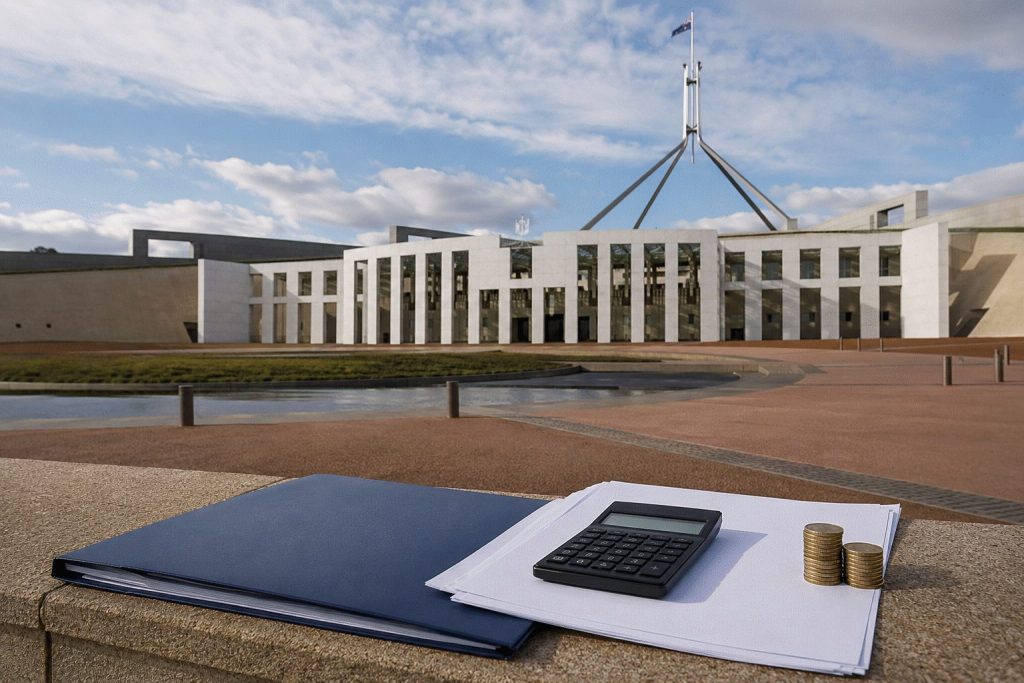
The current fiscal cost stands at A$13 million, a modest sum. However, the outbreak highlights the importance for investors to monitor implementation in public health, remote housing, and medical logistics collectively. Focusing solely on vaccines overlooks the primary route of transmission.
The package amounts to approximately A$24,200 per reported case to date. This figure reflects the intensity of the response budget, rather than the cost of treatment. Funding includes vaccines, antibiotics, extra personnel, contact tracing, and A$3 million allocated for support directed by community groups.
| Measure | Reading | Reference date |
|---|---|---|
| Annual high before current year | 31 cases | 2022 |
| Major incident status issued | More than 230 cases | May 22, 2026 |
| Latest health authority update | 513 confirmed cases; 95 hospitalised | August 10, 2026 |
| Most recent total | 538 cases; 26 newly reported in last two weeks | August 25, 2026 |
The pace of the outbreak has eased, yet it remains present. Officials registered 26 cases over the most recent two weeks, a decrease from close to 80 cases during the peak in late May and early June. However, the total increased by 25 compared to the CDC’s figure as of August 10.
The majority of cases are in a few regions. By August 10, the Northern Territory reported 274 cases, while Western Australia recorded 217. South Australia and Queensland accounted for another 22 cases combined. Nearly 99% of locally acquired cases were among residents in outer-regional, remote or very remote areas.
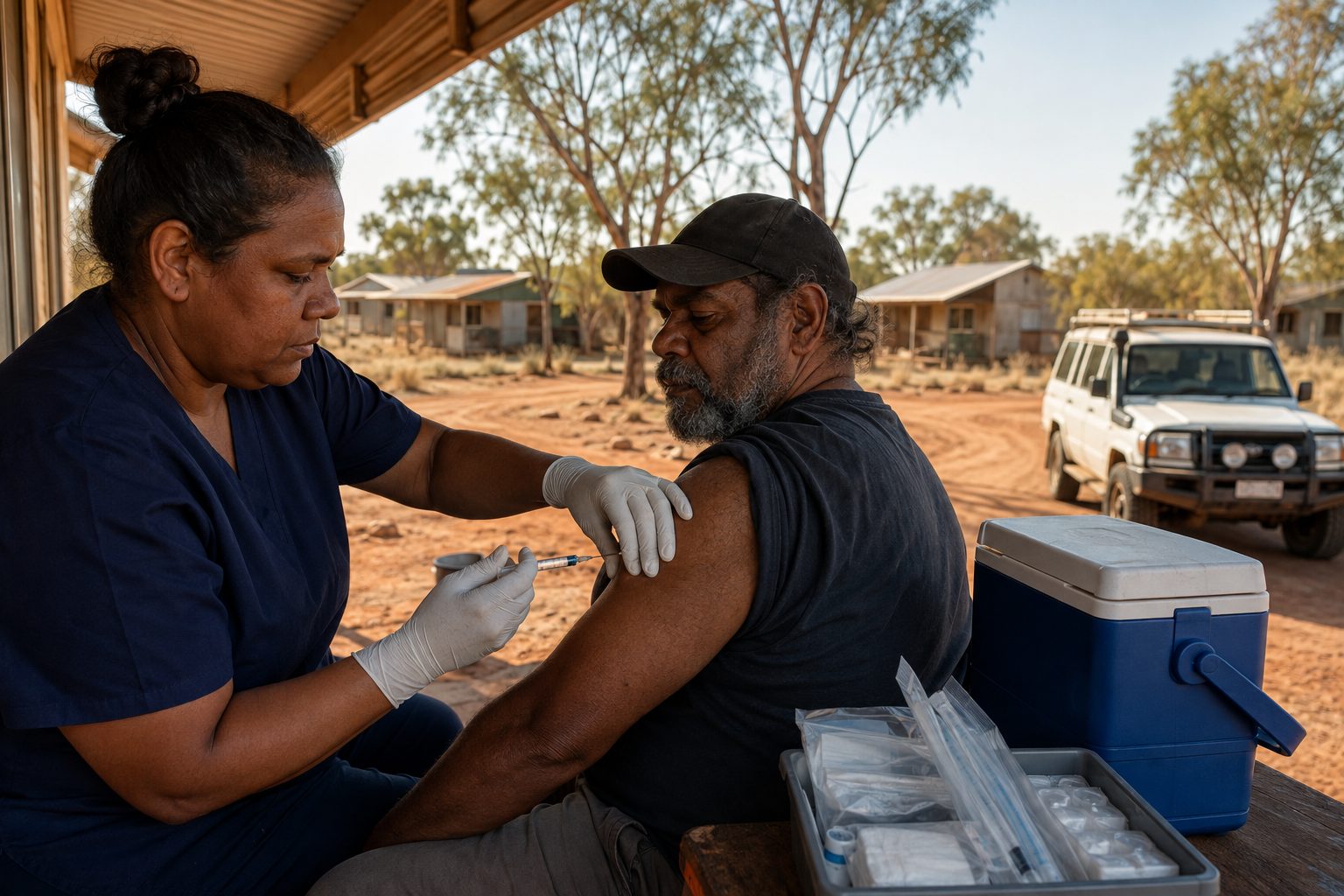
As of August 10, Aboriginal and Torres Strait Islander people represented 95.5% of confirmed cases. This high proportion puts community-controlled delivery at the forefront of the response efforts. It also increases expenses related to staffing, transportation, and maintaining cold-chain logistics over large areas.
Vaccination is still the strongest protection against serious disease. However, the CDC reported that 87.3% of respiratory cases had at least three valid doses. Immunity may decrease over time, and vaccination does not always prevent carriage or spread.
Hospitalisation rates are significant. The CDC reported 95 admissions out of 513 cases as of August 10, representing 18.5%. Diphtheria likely caused one fatality. Some admissions may be due to infection-control protocols, meaning this number does not precisely indicate severity.
The contrast in structure is notable. Canberra and the Northern Territory pledged A$4 billion across ten years for remote housing, which is around 308 times larger than the existing outbreak funding. This initiative seeks to deliver as many as 270 homes annually and intends to reduce overcrowding by 50%.
The housing programme functions as practical preventative health infrastructure. Conditions like overcrowding, inadequate water supplies and poor sanitation elevate infection risks. These factors may also diminish the effectiveness of ongoing vaccination campaigns.
Adrian Esterman, an epidemiologist at Adelaide University, stated the dilemma clearly: “We can vaccinate until the cows come home, but it won’t help unless they do something about housing and sanitation.” ABC News
The direct impact on listed equities for investors is dispersed. More distinct factors include federal and territorial procurement, health workforce capacity, transport, and refrigerated distribution. The timeline for construction delivery remains the more extended variable.
Australia’s childhood immunisation coverage for five-year-olds was at 93.4% in September 2025. Since 2020, there has been a decline in coverage, while boosters among adults in impacted regions have gone up. This disparity highlights the importance of localised, age-targeted interventions, rather than focusing solely on national averages.
Risks: Reduced testing may exaggerate the apparent strength of the recent drop. Reporting delays could lead to changes for the most recent two-week period. Setbacks in remote housing or health arrangements may extend emergency outlays and social impacts.
The following signal is now active. Investors are advised to monitor biweekly CDC updates, booster administration rates, and progress on remote-housing projects. A sustained drop would lessen needs for surge spending. Continued elevated cases could reveal a wider infrastructure shortfall.
Related articles: Technology