
BOISE, Idaho, June 1, 2026, 02:10 MDT
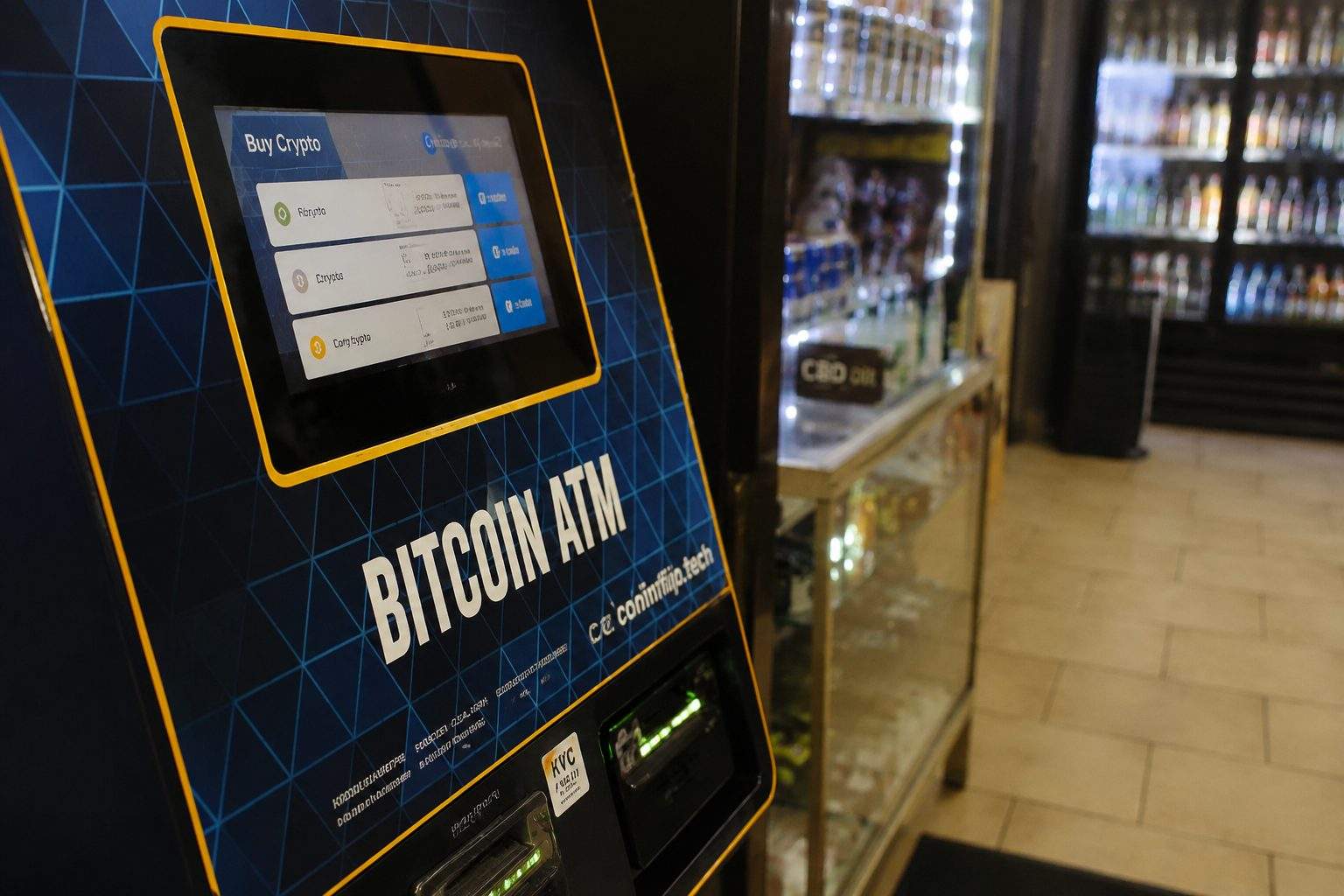
Bitcoin Depot Inc. and Bitcoin Depot Operating LLC are facing a federal class action in Idaho that claims scammers used the company’s crypto kiosks to take $76,000 from Karen and Robert Lacey. The complaint, brought as the company is in bankruptcy and shutting down its ATM network, seeks damages and a jury trial.
Bitcoin ATMs are drawing more attention from regulators, as the machines have become a tool for fraudsters. The FTC reported Bitcoin ATM fraud losses jumped almost ten times from 2020 to 2023, hitting over $65 million in the first half of 2024. Median losses in that period were $10,000, according to the Federal Trade Commission.
Bitcoin Depot is battling in bankruptcy court. The company said May 18 it started a voluntary Chapter 11 case in Texas to wind down, sell assets, and shut its Bitcoin teller machine network; CEO Alex Holmes blamed new state caps, compliance rules, bans, lawsuits, and stepped-up enforcement for making the company’s “current business model” unsustainable. Bitcoin Depot Inc.
The Laceys’ complaint alleges the fraud started with a phony Norton support call and escalated when people pretending to be FBI agents claimed their accounts were linked to child pornography and illegal gambling. The couple made four deposits at Bitcoin Depot ATMs between Aug. 9 and Aug. 13, 2025 — two payments of $25,000 and two more of $13,000, according to the filing.
The complaint says Bitcoin Depot moved ahead with the transactions even as first-time users showed up with big cash deposits, came back several times, and got telephone coaching at the terminal. The suit alleges Bitcoin Depot handled those payments, took its fees and sent the rest to the scammer’s wallet without stepping in.
Bitcoin Depot sent two $1,000 refund checks after the couple’s son hired a lawyer, got in touch with the company and filed a complaint to the FBI’s Internet Crime Complaint Center, according to the complaint. The filing says that amount did not make up for the fees collected. Karen Lacey, who had retired, went back to working hospital shifts after losing the savings.
Allegations remain unproven in court. In a bankruptcy update this May, Bitcoin Depot said it’s tightened fraud checks, added more ID verification, put in new fraud alerts for customers, and cut transaction limits.
Florida may soon clamp down on cash-to-crypto kiosks under HB 505. The bill requires virtual-currency kiosk operators to register with the Office of Financial Regulation, post fraud warnings, set daily limits of $2,000 for new users and $10,000 for existing customers, and refund a first transaction within 72 hours if the customer meets reporting rules, according to the House’s final analysis. Most of HB 505’s rules would start Jan. 1, 2027 if signed by the governor or allowed to take effect, a Senate summary says.
Missouri Attorney General Catherine Hanaway said her office has filed a lawsuit against GPD Holdings LLC, which runs CoinFlip, accusing the company of knowingly helping facilitate scam transactions and taking fees from activity at crypto kiosks. Missouri said CoinFlip calls itself the world’s biggest crypto ATM network by transaction volume and operates over 140 kiosks in the state.
Hanaway referred to bitcoin and crypto ATMs as “new getaway cars for fraud.” CoinFlip pushed back in local media, calling the Missouri suit meritless and saying it did nothing wrong. Marc Grens, who used to operate DigitalMint crypto ATMs, told ICIJ he quit because scams were so widespread. “Cleaning up fraud means you’re not making revenue,” he said. https://www.kctv5.com
Bankruptcy may make it tough for consumers to recover, even if they win in court. Bitcoin Depot and related companies filed for Chapter 11 on May 19, according to an SEC filing. The filing said the group plans to wind down and sell assets. Employees got 60 days’ notice of expected termination. Civil claimants could now have to contend with other creditors, while the Idaho lawsuit still needs class certification.
The Idaho complaint seeks class action status, restitution of fees, damages, and a court order for new protections. The main issue isn’t about crypto as a whole. The question is if a warning screen is enough when a customer scared by a scammer is still putting cash into the machine, the scammer staying on the phone.
Related articles: Bitcoin