
LONDON, July 9, 2026, 11:56 (BST)
Bitcoin rose on Thursday, clawing back part of this week’s slide as traders weighed a tentative return of buyers against a more awkward U.S. rates backdrop.
The largest cryptocurrency was quoted at $62,718, up about $614, or roughly 1%, from its previous close. It traded between $61,510 and $63,093 on the day, keeping it in a narrow band just below $63,000.
Why it matters now is simple enough. Bitcoin’s July bounce is being tested by two forces that do not sit neatly together: fund demand on one side, and U.S. inflation anxiety on the other.
The fund tape was mixed. U.S. spot bitcoin exchange-traded funds — stock-market funds that hold bitcoin directly — posted $84.9 million in net outflows on July 8, after drawing $21.5 million on July 7 and $265.7 million on July 6, Farside Investors data showed.
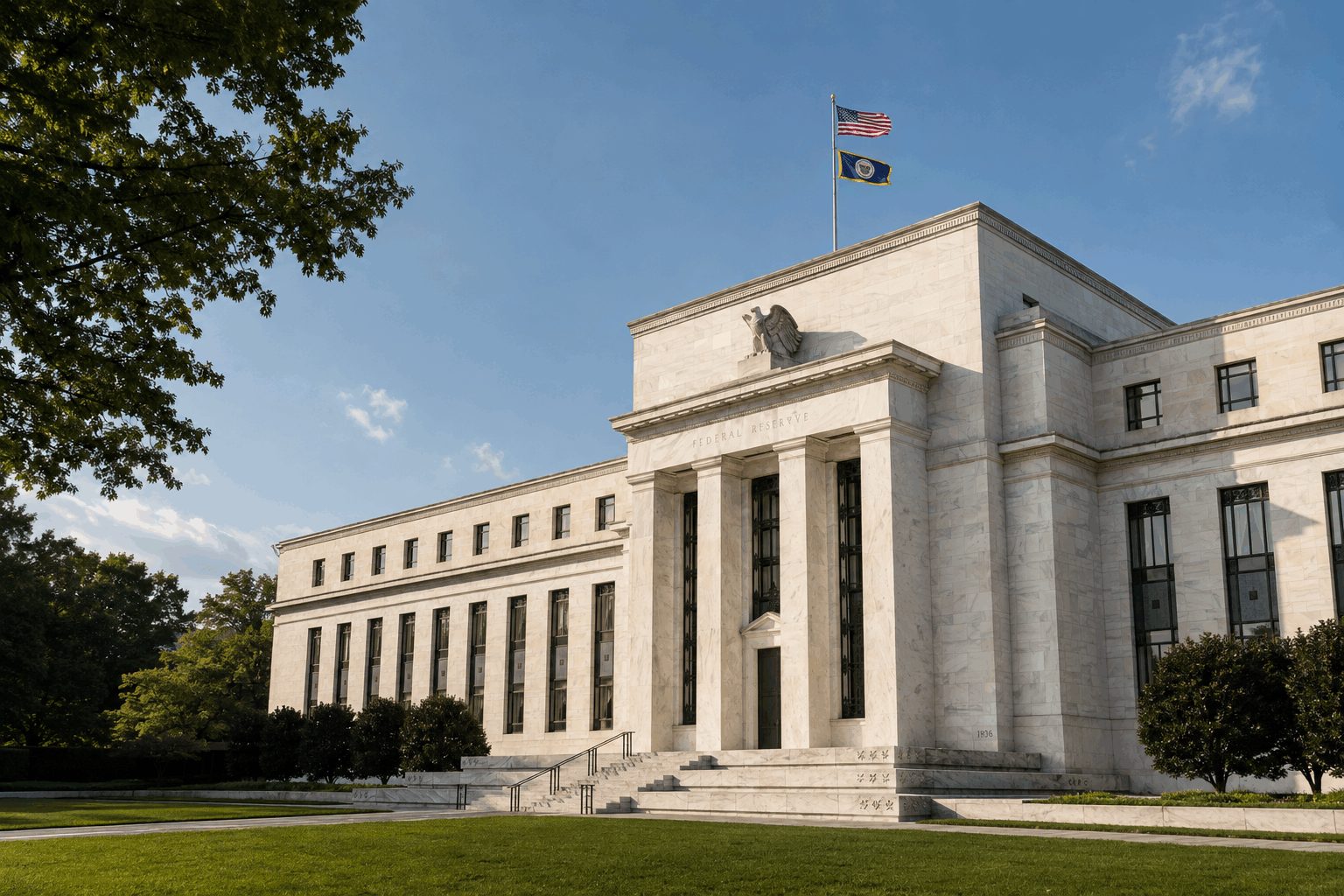
The macro piece turned less friendly after minutes from the Federal Reserve’s June 16-17 meeting — the official record of the meeting — showed officials kept the federal funds rate, the benchmark overnight rate, at 3.50%-3.75%. A few policymakers saw a case for raising rates, while many others judged rates could end the year above the current range. Higher rates tend to weigh on non-yielding assets such as bitcoin; non-yielding means the asset pays no interest or dividend.
David Russell, global head of market strategy at TradeStation, said policymakers had “space to hike if needed,” with energy prices still a risk. That framed the problem for risk assets — markets, including crypto and growth stocks, that usually do better when investors are comfortable seeking higher returns. MarketWatch
Peers were steadier, not forceful. Ether, another major crypto asset, was quoted at $1,624.95, while bitcoin held the market’s main attention because of the ETF flows and the Fed-sensitive rate trade.
There was a longer-term support argument, too, though traders were not treating it as a clean buy signal. CoinDesk reported that Santiment data showed bitcoin balances on centralized exchanges at their lowest since 2017, a pattern often read as fewer coins being readily available to sell; Mark Zalan, CEO of GoMining, said anyone calling the exact market turn was “guessing with confidence, not forecasting,” while Eneko Knorr, CEO of Stabolut, said “the market grew up,” with more coins now sitting in institutional vaults, staking, or decentralized finance — apps that let users lend, trade or earn returns without a central intermediary. CoinDesk
But the rebound could fail quickly. Reuters reported Wednesday that U.S. President Donald Trump said an interim accord with Iran was “over,” and oil rose as fresh tensions hit the Persian Gulf; if higher energy costs keep inflation sticky and the Fed hawkish, bitcoin could give back its push toward $63,000. Reuters
For now, the market is trading a tight checklist: hold the low-$62,000 area, watch whether ETF flows turn positive again, and see whether U.S. rates move against the crypto bid. There is no closing bell in bitcoin. That makes the next move less about one exchange open and more about whether macro buyers show up as the U.S. session gets under way.