
New York, Jan 24, 2026, 10:11 EST — Market closed.
- Berkshire Hathaway Class B (BRK.B) closed Friday at $478.97, slipping roughly 1.1%.
- BNSF cautioned that a winter storm might disrupt rail traffic along major central U.S. routes.
- Markets will reopen Monday ahead of the Fed’s rate decision scheduled for Jan. 28.
Berkshire Hathaway Inc’s Class B shares (BRK.B) closed Friday 1.1% lower at $478.97. Its Class A shares (BRK.A) dropped 1.0%, finishing at $720,932.
The move matters now because Berkshire stands as a quick barometer for rates and growth in a fast-paced market. Its insurers gather premiums upfront and invest that cash — known as “float,” the pool held before claims settle — so changes in bond yields can swiftly impact investment income.
BNSF Railway, owned by Berkshire, flagged a winter storm that’s set to disrupt freight along key U.S. central corridors, warning customers of delays and longer transit times. Meanwhile, CSX said it is keeping an eye on the storm’s threat to its network.
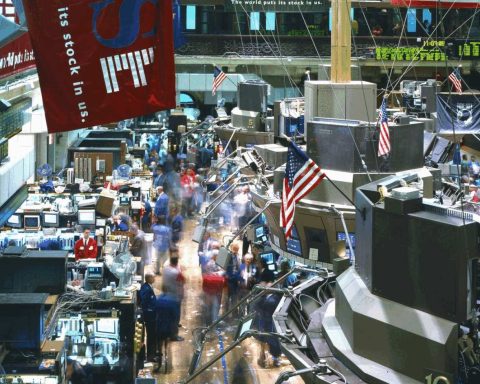
Wall Street looked unsettled. The Dow dropped 0.58% on Friday, while the S&P 500 barely moved. Intel’s shares fell following a gloomy forecast. All three major U.S. indexes wrapped up the week with slight losses.
Next week’s calendar tightens. The Federal Reserve meets, while a slew of earnings reports could shift focus back to interest rates and corporate forecasts after geopolitical tensions unsettled markets earlier this year. “It’s been a little bit of a short but steep roller-coaster ride,” said Yung-Yu Ma, chief investment strategist at PNC Financial Services Group. Reuters
New data left little impression. An S&P Global survey found January business activity unchanged, though companies highlighted ongoing tariff-driven cost pressures. These concerns could influence inflation and interest-rate outlooks. “Increased costs, widely blamed on tariffs, are again cited as a key driver of higher prices,” said Chris Williamson, chief business economist at S&P Global Market Intelligence. Reuters
Inflation continues to steer bond markets. The personal consumption expenditures price index — the Fed’s favored inflation metric — rose 2.8% year-over-year in November, according to the BEA’s summary. The next update is due Feb. 20.
Berkshire is still adjusting to life after Buffett as CEO. Greg Abel took over the top spot on Jan. 1, while Buffett stayed on as chairman. Earlier this month, the company announced it had boosted Abel’s annual cash salary to $25 million.
Behind the scenes, investors are grappling with how capital allocation might shift under Abel. This week, Kraft Heinz revealed Berkshire could offload its 27.5% stake as the company plans to split into two separate businesses. “(Greg Abel) has now decided to cut his losses and close the position,” said Russ Mould, investment director at AJ Bell. Reuters
The near-term outlook is uncertain. The storm might pass quickly or turn out worse than anticipated; delayed freight can cut volumes and push up costs for a railroad. Meanwhile, a steep fall in yields would reduce the reinvestment boost Berkshire has benefited from as rates rose, even as volatility shakes the conglomerate’s sizable public equity holdings.
Berkshire traders face their initial challenge Monday at the open. The real eye-opener arrives Wednesday, Jan. 28, when the Fed wraps up its Jan. 27-28 meeting and announces its decision at 2:00 p.m., with Chair Jerome Powell speaking at 2:30 p.m.