
Omaha, April 26, 2026, 09:03 CDT
Berkshire Hathaway Inc. is gearing up for its annual meeting, with Greg Abel taking the stage for the first time as CEO—a debut that puts both his leadership and the firm’s towering cash reserves under the spotlight. Investors will be watching closely as the post-Buffett transition gets its first real test. Set for May 2 at 2 p.m. Central Time, the meeting takes place at Omaha’s CHI Health Center.
Timing is key here. Warren Buffett stepped back from the top job after about sixty years at Berkshire, but the company says he still comes in every weekday as chairman. In his debut annual letter, Abel confirmed the board named him CEO. Now, shareholders are looking for more than just a passing of the baton.
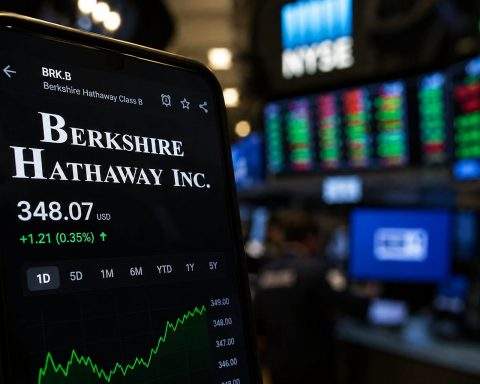
Berkshire’s Class B shares ended Friday at $469.32. In a weekend preview, Business Insider pointed out that since Buffett said he’d retire in May 2025, the stock has dropped 14%. Over the same stretch, the S&P 500 is up 26%—a spread that adds some tension to next week’s gathering in Omaha, usually a tradition-heavy affair.
The cash pile is the story here. Abel put Berkshire’s total cash and U.S. Treasury holdings north of $370 billion, splitting some off as a buffer for insurance needs and rare shocks. The remainder? That’s dry powder—kept handy for new investments or acquisitions. Abel made it clear: the company still prefers owning “productive businesses over U.S. Treasuries.” Berkshire Hathaway
David Kass, finance professor at the University of Maryland, told Business Insider he’s looking for Abel to address the lag in performance—and to lay out how he plans to deploy that $373 billion in cash. Brett Gardner, analyst and author of “Buffett’s Early Investments,” brought up a different angle: could Berkshire at some point negotiate to buy out Buffett’s own 14% stake? Business Insider
The portfolio’s been drawing attention. On April 18, Reuters, picking up on a Wall Street Journal piece, reported that Abel sold off stocks previously overseen by Todd Combs—one of Buffett’s former lieutenants—after Combs exited Berkshire in December to take a new role at JPMorgan Chase. That sale stands out as one of the more visible shifts since Abel took over from Buffett in January. Investors will be looking for more information in Berkshire’s upcoming quarterly report on May 2, as well as a regulatory filing due mid-May.
Ted Weschler’s position remains unresolved. Chris Ballard, managing director at Check Capital Management, told Business Insider he’s looking for “some details” about the frequency of Abel’s conversations with Weschler, and what sort of behind-the-scenes work Abel actually depends on him for. The question’s tight, but it goes to the core of Berkshire: who’s handling capital allocation now? Business Insider
Berkshire isn’t your typical investment fund, which makes straightforward comparisons tricky. GEICO, its auto insurance arm, goes head-to-head with State Farm and Progressive. In rail, BNSF Railway faces off primarily against Union Pacific out West. Abel oversees the lot—operations and capital decisions—managing hundreds of billions of dollars.
The clean leadership shift doesn’t settle every tough choice. Berkshire noted GEICO’s rate hikes have brought margins back up, but at a cost—customer retention has slipped. The company flagged that rivals lowering rates could keep that squeeze going through 2026. High deal valuations and stiffer competition for operating businesses might mean Berkshire’s cash sits in Treasuries for longer than plenty of shareholders would like.
Abel isn’t rushing in. Berkshire’s yearly letter made it clear: buybacks happen only if shares slip under what management thinks they’re truly worth—long-term, not just whatever the ticker says. There’s also an opening for snapping up big chunks from significant shareholders. As for dividends, they’re off the table. Berkshire’s bet is that every dollar held back should add more than a dollar to market value.
This year’s meeting will bring a change of pace. NetJets CEO Adam Johnson and BNSF’s Katie Farmer are set to join Abel onstage during the Q&A, Business Insider reported. Larry Cunningham, who heads the University of Delaware’s Weinberg Center and has watched Berkshire for years, described it as “a new practice” he hopes pays off. Business Insider
Investors want details—how fast buybacks happen, what kind of deals are on the table, who’s actually picking stocks, and whether subsidiary bosses keep their independence. Buffett’s standing gave Berkshire a cushion. Abel, though, has to build that trust in front of everyone.
Related articles: NYSE:BRK.B