
WATERLOO, Ontario, May 2, 2026, 3:03 PM EDT
- A new profile has thrown BlackBerry’s QNX division into the spotlight again, noting its technology now runs in over 275 million vehicles.
- Timing is key here, following BlackBerry’s announcement of fiscal 2026 profit and its declaration to investors that the turnaround story is finished.
- Here’s the risk: QNX’s backlog ties directly to vehicle production numbers and existing contracts. Larger competitors and open-source alternatives are squeezing the market, putting added pressure on QNX.
BlackBerry Limited’s QNX division landed in the spotlight this Saturday after a Wall Street Journal piece described its quiet dominance as the operating backbone for key car safety features—think lane-keeping assist, adaptive cruise, and crash alerts. According to the article, QNX now runs inside more than 275 million vehicles globally and makes up roughly half of BlackBerry’s revenue. That’s a striking shift for a brand still largely associated with its classic phones.
This comes as BlackBerry wraps up a fiscal year showing $549.1 million in revenue and net income of $53.2 million, a swing from last year’s $79.0 million loss. U.S.-listed shares finished Friday at $5.42, per market data. Investors now weigh if the software shift is sticking, or simply not failing as badly.
QNX stands out as another key factor. The division turned in $78.7 million in revenue for BlackBerry’s fourth quarter, compared with $65.8 million a year ago, climbing to 50.4% of total revenue for the period. For fiscal 2026, QNX generated $268.0 million, or 48.8% of company-wide revenue, according to the filing.
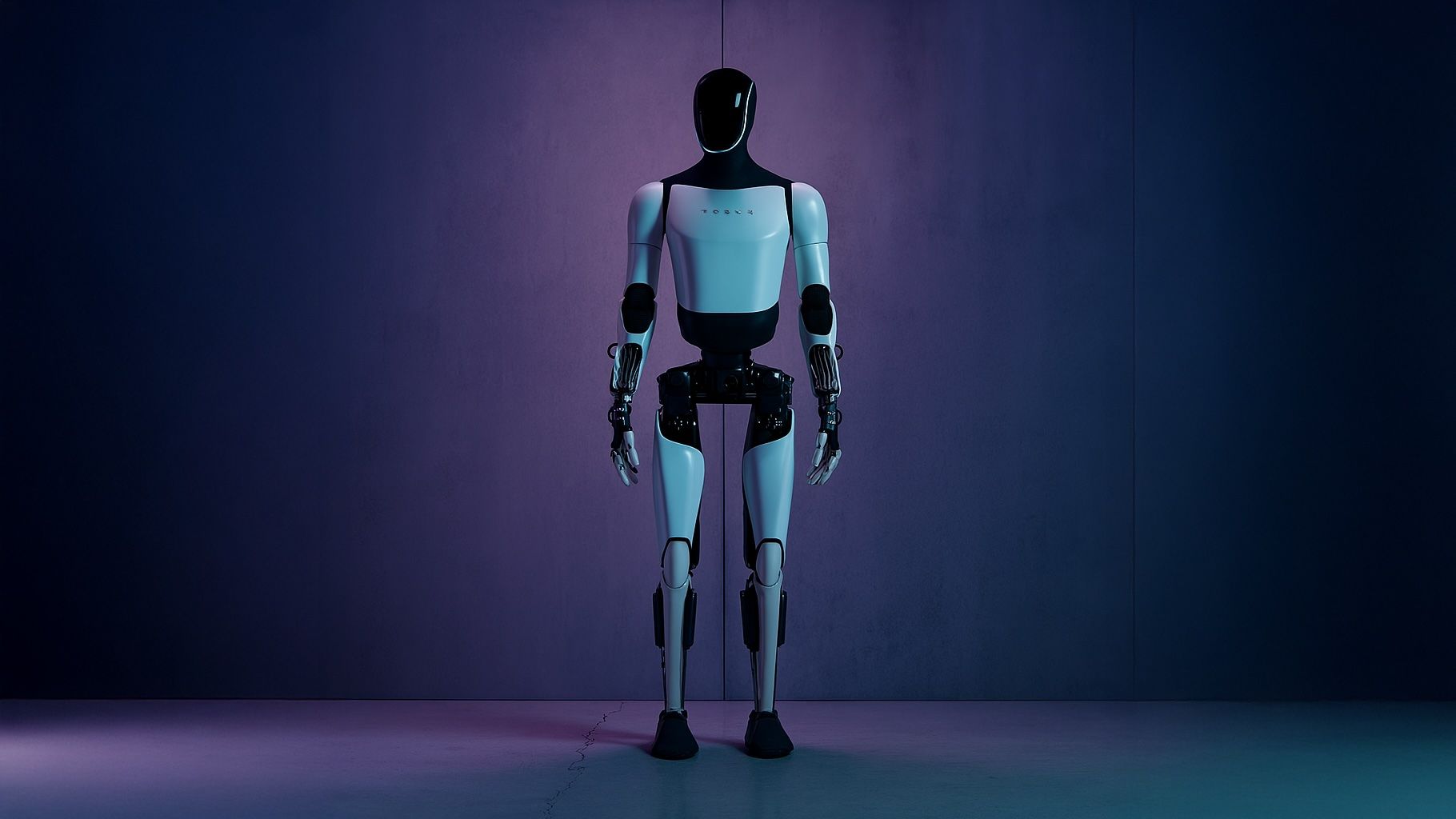
QNX develops real-time operating systems—software built to handle vital tasks on the clock, ensuring machines react exactly when needed. According to BlackBerry, QNX technology crops up across industries: automotive, medical devices, industrial controls, robotics, rail, and aerospace. In cars, its platform powers digital cockpits, advanced driver-assistance features, and domain controllers.
The Journal points to 2014 as a key moment for the unit, when Audi informed QNX veteran John Wall it planned to choose Google for infotainment systems, but still required robust software further inside its vehicles. Wall—currently QNX president—told the paper the setback “pivoted the company in the right direction.” The Wall Street Journal
BlackBerry has been pushing to prove QNX has legs outside the automotive sector. On April 20, QNX said it’s deepening work with Nvidia, integrating its QNX OS for Safety 8.0 into Nvidia IGX Thor and the Halos Safety Stack—targeting regulated robotics, medical, and industrial use cases. For Wall, safety and determinism “cannot be afterthoughts.” ACCESS Newswire
Back in April, Chief Executive John Giamatteo told Reuters QNX’s role in tightly regulated, complex systems shields it from the spread of generic AI software. Chief Financial Officer Tim Foote followed up, saying BlackBerry plans to ramp up QNX spending on sales and marketing in a push toward physical AI, robotics and medical uses.
BlackBerry’s secure communications division—which offers encrypted messaging, voice, and crisis-response solutions—has been pushing further into government and infrastructure spending. Secure Communications revenue reached $72.5 million in the fourth quarter, up from $67.3 million the year before. For the full year, however, revenue slipped to $258.9 million from $272.6 million.
Competition isn’t easing up. In its annual filing, BlackBerry cautioned that the QNX royalty backlog reflects forecasts, not guaranteed revenue. Bigger players, customers developing their own embedded systems, and the lure of open-source software—which is perceived as free—all have the potential to squeeze orders, pricing, and margins.
At this point, it’s visibility, not fresh revenue, driving the headlines. The newest feature shines a spotlight on a consumer brand that’s reappearing in cars, robots, and equipment—places few would link to BlackBerry. The numbers help explain why QNX, not the old handset business, has been drawing investor attention lately.
Related articles: Innovation