
TORONTO, June 4, 2026, 18:04 (EDT)
- BlackBerry’s U.S. shares changed hands last at $10.34, up roughly 1.4%. Volume was close to 97 million shares.
- The action caught attention on a mixed tech session, as the Nasdaq slid following a chip selloff.
- BlackBerry’s fiscal first-quarter earnings, set for June 25, are the next test for investors.
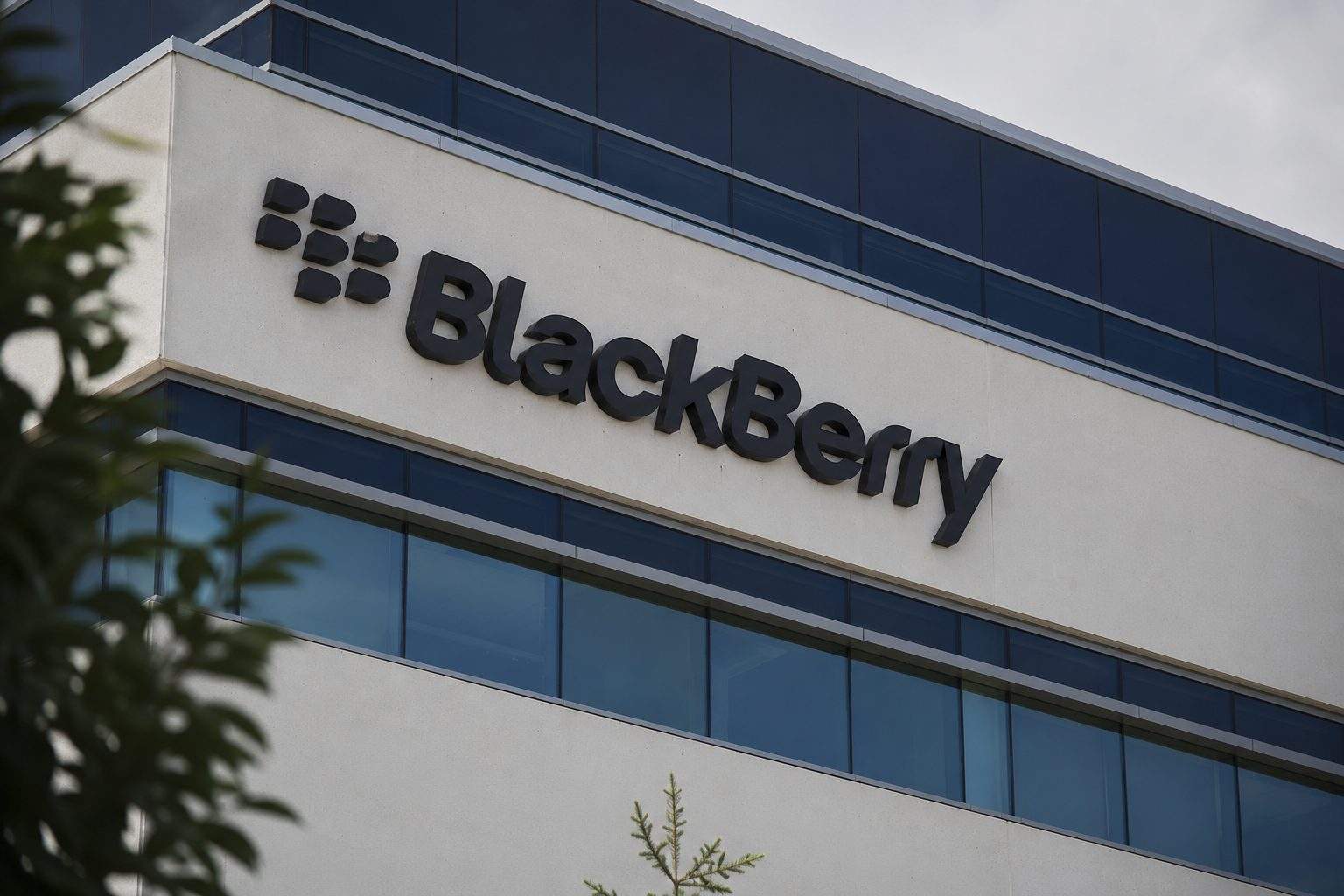
BlackBerry Ltd’s U.S. shares climbed sharply Thursday on strong volume, bringing the Waterloo, Ontario software firm close to its 52-week high. Investors were focused on QNX embedded software, not the company’s smartphone history.
BlackBerry shares ended the session at $10.34, up 1.4% on the day. The stock hit an intraday high of $10.895 with around 96.9 million shares traded, based on market data. Google Finance reported the day high at $10.92, matching the company’s posted 52-week high.
Tech stocks struggled on Thursday, as the Nasdaq Composite eased 0.09%, according to Reuters. Broadcom’s results triggered a selloff in chip names, and tech was the laggard on the S&P 500. Paul Nolte, senior wealth adviser and market strategist at Murphy & Sylvest, told Reuters investors are still unsure if AI-related valuations are “legitimate.” Reuters
Canadian markets gave some lift. The S&P/TSX Composite finished at a record 35,217.06, rising 1.2% as financial and metal-mining names led gains. BlackBerry, listed in both Toronto and New York, made its move into a market showing stronger risk appetite, but software stocks weren’t the drivers.
BlackBerry is down to two core units now, Secure Communications and QNX. Its QNX software powers more than 275 million vehicles worldwide, the company said. Investors use that as a link from autos to robotics, industrial platforms, and what’s called “physical AI”—AI for machines that sense, decide, and operate in the real world. BlackBerry
BlackBerry’s next earnings test is coming up. The company says it will report fiscal Q1 2027 results on June 25, covering the quarter ended May 31. Investors will be watching to see if the recent run-up in the stock has support from better revenue, booked business turning into sales, and cash flow.
QNX has drawn more attention since BlackBerry told Reuters in April its turnaround was done. Fourth-quarter revenue at QNX jumped 20% to $78.7 million, and the royalty backlog climbed to around $950 million. CEO John Giamatteo called QNX part of “highly regulated, complex, mission-critical solutions,” saying the business is less at risk from generic AI. CFO Tim Foote said BlackBerry would boost spending on QNX, with focus on physical AI, robotics and medical applications. Reuters
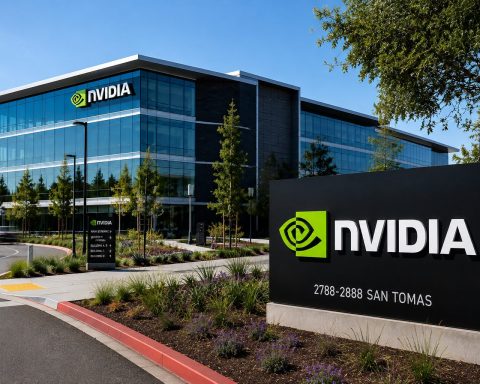
Nvidia is another point. In April, QNX said it’s expanding its work with Nvidia, planning to integrate QNX OS for Safety 8.0 with Nvidia IGX Thor and Halos Safety Stack for robotics, medtech and industrial applications. “Safety and determinism cannot be afterthoughts,” QNX President John Wall said. ACCESS Newswire
QNX is also focusing on shaping the market. In its newest robotics report, which draws on a survey of 1,000 developers around the globe, 89% called physical AI critical for their future, and 95% said deterministic, real-time operation was essential. Jim Hirsch, QNX’s global VP of sales for general embedded markets, said robotics teams are running into “very real limits” with older tech. QNX
BlackBerry is also backing its shares with the balance sheet. A May 8 SEC filing showed BlackBerry renewed its normal course issuer bid, the Canadian buyback plan, and can repurchase up to 26,785,714 common shares, or about 4.58% of its public float, through May 11, 2027.
But there’s a risk the stock has gotten ahead of itself. In its latest annual filing, BlackBerry describes its markets as “highly competitive and rapidly evolving,” with some bigger rivals and some automakers or suppliers building their own embedded software or looking at open-source options. That’s the bear case: QNX could keep landing business, but maybe not quickly enough for the new price. SEC
Right now, traders are betting on optionality. The outcome on June 25 will show if the trade gets new numbers, or if Thursday’s action is just another case of AI-linked momentum lasting until investors want more proof.
Related articles: Robotics





![UK Stock Market Today 26/08/2026 [UPDATE: 09:01 BST] [Miners Offset Oil Majors as Brent Slides Below $86]](https://ts2.tech/wp-content/uploads/2026/08/UK-market-dashboard-2026-08-26-0901-480x384.jpg "UK Stock Market Today 26/08/2026 [UPDATE: 09:01 BST] [Miners Offset Oil Majors as Brent Slides Below $86]")