
New York, May 19, 2026, 15:07 (EDT)
- Blue Bird shares dropped roughly 9.6% in afternoon trading on the Nasdaq, lagging behind other U.S. small-cap stocks and vehicle makers.
- The company expects to book a material non-cash pension settlement charge in its fiscal third quarter, according to a new SEC filing.
- Blue Bird shares are moving less than two weeks after the company bumped its fiscal 2026 guidance and analysts pushed price targets higher.
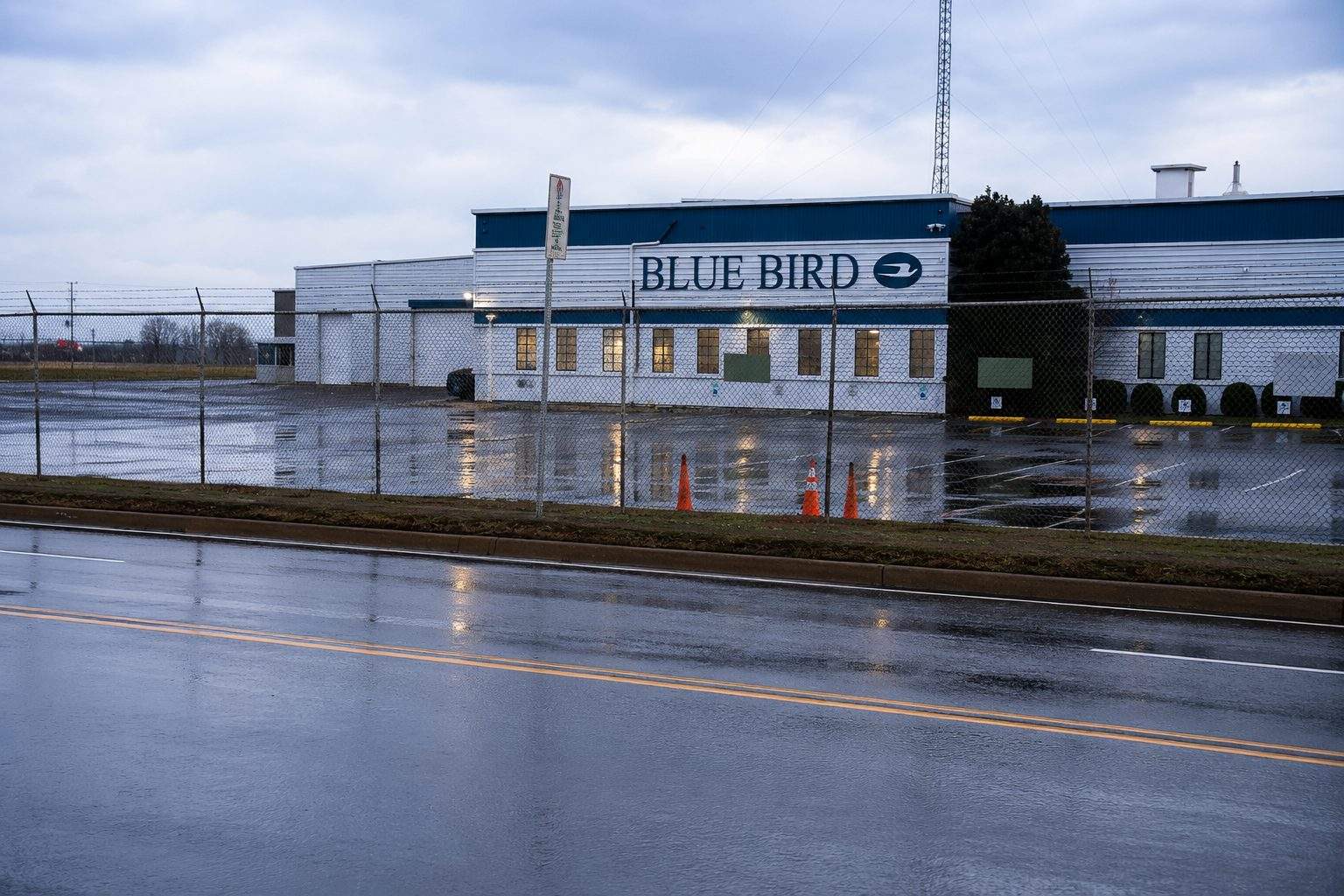
Shares of Blue Bird Corp. dropped hard Tuesday, taking a bite out of the stock’s recent rally. The move followed a new regulatory filing that flagged an upcoming pension accounting charge for the school-bus manufacturer.
The stock dropped 9.6% to $65.75 in afternoon trade, sliding as low as $64.51 earlier in the session. SPDR S&P 500 ETF fell about 0.4% and iShares Russell 2000 ETF, which tracks smaller U.S. firms, slipped about 0.8%.
Blue Bird had picked up new attention from investors following a strong earnings report. Earlier this month, the company bumped up its fiscal 2026 outlook. Shares had traded close to recent highs leading into Tuesday’s fall.
Blue Bird said in a Form 8-K its Blue Bird Body Company unit reached a deal with Pacific Life related to a frozen defined-benefit pension. Defined-benefit plans are the old-style pensions that pay set amounts to retirees and leave sponsors with investment and actuarial risk.
Blue Bird said it will use group annuity contracts from Pacific Life to transfer future benefit obligations and plan administration for 2,044 participants. The company said this move won’t affect the amount of future benefits or monthly payments for those participants.
Blue Bird said it will settle and transfer roughly $94 million in pension liabilities. This follows $13 million in lump-sum payments from April. The company said all payments will come from plan assets, with no extra money from Blue Bird.
Blue Bird said in the filing that it will take a “material non-cash pension settlement charge” in its fiscal third quarter, which ends June 27. Non-cash means the hit is to the company’s accounting results, not immediate cash flow. SEC
Blue Bird is facing the charge even as its latest numbers show solid margins. The company posted fiscal second-quarter net sales of $352.6 million, net income at $29.3 million and adjusted EBITDA of $50.8 million. Adjusted EBITDA, or earnings before interest, tax, depreciation and amortization with some items removed, is a common way to compare how a business is operating.
Blue Bird CEO John Wyskiel called it “another outstanding quarterly result” in the earnings release, pointing to operations, tariffs and demand for alternative-powered buses. Wyskiel said Blue Bird delivered 201 electric-powered buses for the quarter and has a firm backlog of more than 900 EV buses. SEC
Company CFO Razvan Radulescu said the business is “in a very strong position.” The company now sees full-year 2026 net revenue at roughly $1.75 billion and adjusted EBITDA at about $245 million. SEC
Needham and BTIG both bumped up their price targets on Blue Bird after the earnings. Needham raised its target to $86 from $78, keeping its Buy rating, pointing to strong margins. BTIG took its target up to $80 from $65, also sticking with its Buy call.
Blue Bird’s drop was much steeper than moves in other vehicle stocks. Wabash National barely budged. Oshkosh was down around 1.6%, still well behind Blue Bird.
Market focus could turn to how Micro Bird integration, tariffs, and the pension charge impact Blue Bird’s reported earnings, instead of just the raised guidance. The company said the real pension charge will be set once actuaries recalculate benefit obligations and value the plan assets, so the amount is still open.
Related articles: Stock Market