
Toronto, May 5, 2026, 14:02 EDT
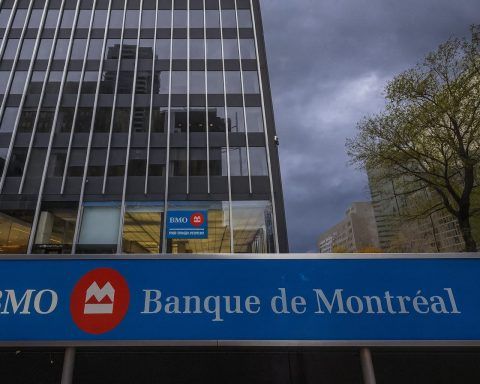
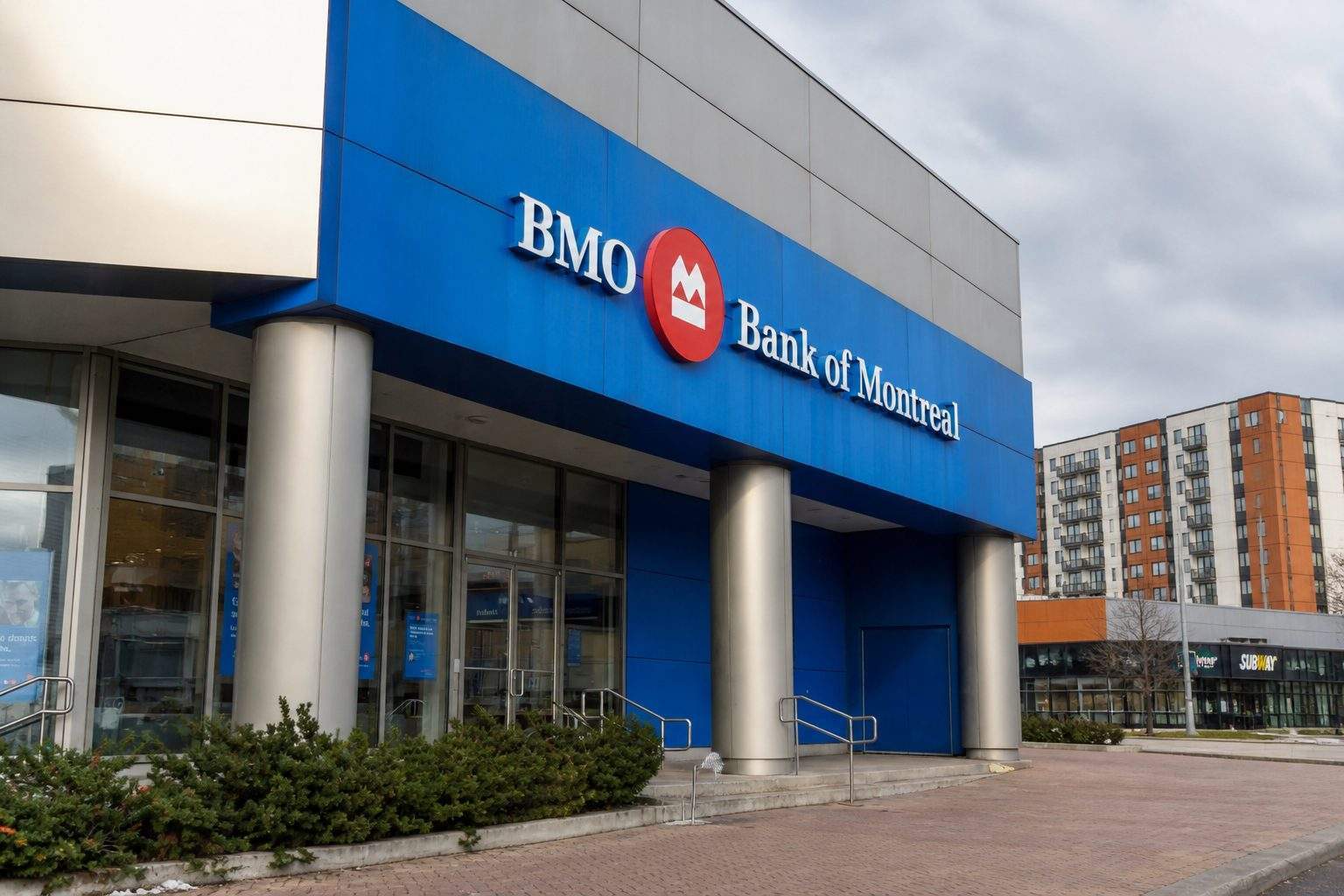
Bank of Montreal is pushing a revenue-driven AI tool further into its commercial banking operations, tapping payments data to give its sales teams an edge with mid-market clients.
The focus has shifted—banks aren’t just pitching AI for trimming back-office expenses anymore. At BMO, there’s an experiment underway: they’re looking at whether machine learning can actually sharpen bankers’ insight into how companies handle supplier payments, cash flows, and their choices around payment products. According to American Banker, BMO already rolled out Codat’s tech in the U.S., with plans to launch a Canadian pilot in the next few months. A wider rollout is penciled in for the end of 2026.
The timing isn’t a coincidence. AI vendors are stepping up activity in finance, too: Anthropic rolled out 10 new AI agents for the sector on Tuesday, targeting jobs like pitchbooks, audits, and credit memos. Financial services now ranks as Anthropic’s second-biggest enterprise revenue source, trailing only tech clients. Among the company’s finance users: Goldman Sachs and Citi, according to Reuters.
BMO is rolling out its latest tech initiative just as the Canadian bond environment turns a bit friendlier. In a note Monday, BMO Capital Markets economist Robert Kavcic pointed out that long provincial bonds posted gains over the past month, with Government of Canada yields barely budging and provincial spreads narrowing by about 8 basis points in April. A spread refers to the premium investors require to hold a bond relative to a safer benchmark.
Rose Grande, who oversees North American corporate card products and programs at BMO, told American Banker that while the bank is capable of handling customer intelligence projects on a “one-off” basis, scaling them is another matter. That’s where Codat comes in, piping payments and accounts-payable data from clients via APIs—those software connectors—directly into machine-learning models. The outputs? Recommendations tailored for BMO’s Treasury and payments sales teams. American Banker
Codat’s data pipes tap into over 20 different accounting and enterprise platforms—QuickBooks, Oracle NetSuite, Sage, Microsoft Dynamics, Workday, Xero, among others. According to Joey Rault, the company’s chief revenue officer, the tool spots gaps or inferred details, such as how a supplier got paid—card, ACH, or check—and highlights exactly where information is missing in the software.
The logic here is straightforward: redirect slow or higher-risk payments into options that boost both client value and bank revenue. According to Rault, checks still account for 15% to 25% of business payments. Grande pointed out that some BMO clients swapped out checks for cards, pushing their BMO payment volumes up roughly 45%.
Bradley Leimer, who heads Leimer One Advisors, sees this as a banking challenge rather than just the latest tech hype. “Banks want AI to read client behavior and help relationship managers actually deliver,” he told American Banker. Commercial banking makes sense for AI, Leimer said, since the real value lies in cash flow, payments, working capital, and supplier ties. The catch? “The data is a mess,” he said. American Banker
BMO isn’t limiting its AI push to payments. According to Bloomberg’s May 1 report, the bank has been tapping both artificial intelligence and quantum computing—a technology still in its early days, rooted in quantum physics—for projects ranging from earthquake forecasting to wildfire response. That includes dispatching mobile banking units into areas ravaged by fires. Kristin Milchanowski, chief AI and quantum officer at BMO, said she’s developed and received a provisional patent for a quantum algorithm designed to help predict earthquakes.
Back in April, the bank set the stage by launching the BMO Institute for Applied Artificial Intelligence & Quantum, tapping Milchanowski as its first director. Steve Tennyson, who heads up technology and operations at BMO, said the new institute’s aim is to channel cutting-edge tech into customer value, all while “managing risk” and steering adoption responsibly. BMO Newsroom
Last month, BMO rolled out new partnerships with Quantum Industry Canada and the Chicago Quantum Exchange, linking itself with organizations zeroed in on commercialization, workforce development, and knowledge-sharing. The bank added it’s now the first Canadian lender in IBM’s Quantum Network.
Competitors are making comparable moves. Wells Fargo’s Ather Williams III—who heads global payments, liquidity, and wholesale digital—said Tuesday the firm’s AI platform now covers 85% of use cases, with 26 already running after 335 tests. AI is driving smarter payments and sales interactions, Williams said. Looking forward, he expects some of these new payment features will become “table stakes” within five years. American Banker
Cleaner sales leads aren’t a straight shot to better banking. AI tools rely on access to authorized data, client trust, and transparency—especially when the software suggests rather than knows. There’s also the risk of a changing market. Kavcic notes investors continue to price in potential Bank of Canada rate hikes this year, worried that high oil prices will feed into core inflation. That could unwind some of the recent support for bond spreads.
BMO faces a less sensational challenge than forecasting earthquakes: Can its bankers convert raw payments files into actionable advice, boost card and Treasury activity, and deepen client relationships—without customers sensing they’re just targets for more revenue?
Related articles: NYSE:BMO